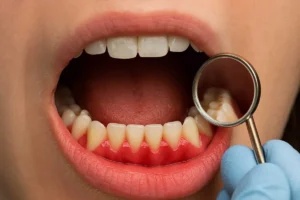

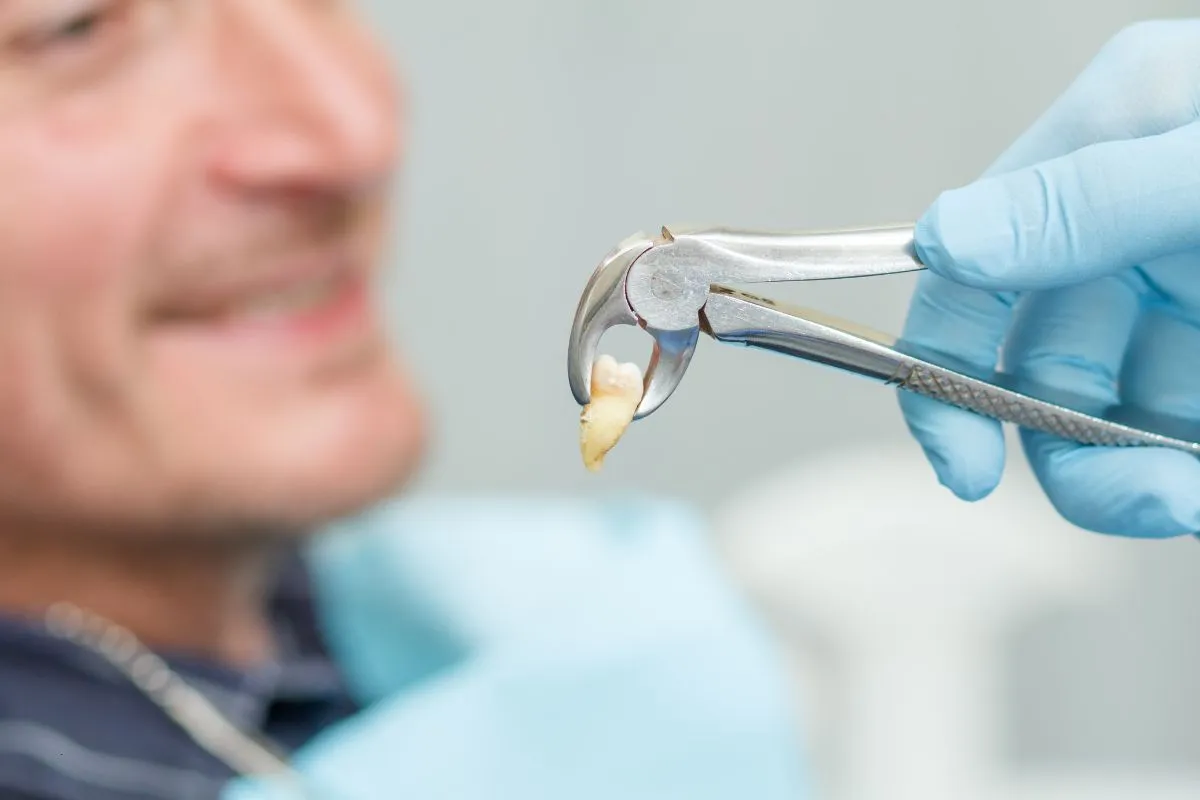
Feeling pain after a tooth is pulled is common. Knowing what’s normal and when to get help can make recovery better. Jaw pain after tooth extraction can vary in how bad it is and how long it lasts.
The tooth pulling can put stress on the jaw joint and cause swelling. This leads to jaw discomfort. At GoldCity Center, we focus on patient-centered care and help you through the healing.
Knowing why jaw pain happens and how long it takes to heal can ease worries. Our team is here to offer transparent and personalized care for a smooth recovery.
Key Takeaways
Jaw pain after tooth extraction is a normal symptom with varying intensity and duration.
The extraction process can cause strain on the TMJ and lead to local inflammation.
Understanding typical healing timelines can help alleviate concerns.
GoldCity Center provides patient-centered care and guidance on navigating the healing process.
Expert care is available to address any complications or concerns.
Normal Jaw Pain After Tooth Extraction: What to Expect

After a tooth extraction, jaw pain is common. Knowing what’s normal can ease worries. This pain comes from the body’s healing process, like swelling and inflammation.
The First 48 Hours: Managing Peak Pain Period
The first 48 hours are key, as pain usually hits its peak. Mild to moderate pain is normal during this time. To ease discomfort, try cold compresses to reduce swelling.
Also, taking over-the-counter anti-inflammatory medications as directed can help. Eating soft foods in the first few days can also help. Always follow your dentist’s post-operative instructions for a smooth recovery.
Days 3-7: Tracking Your Recovery Progress
After the first 48 hours, most notice improvement. By days 3-7, pain should start to lessen. Keep eating soft foods and practicing good oral hygiene.
Watching your recovery is also key. If pain persists or worsens, see your dentist or oral surgeon. Usually, patients see big improvements in two weeks, with some lingering discomfort.
Jaw Pain 2 Weeks After Tooth Extraction: When to Be Concerned
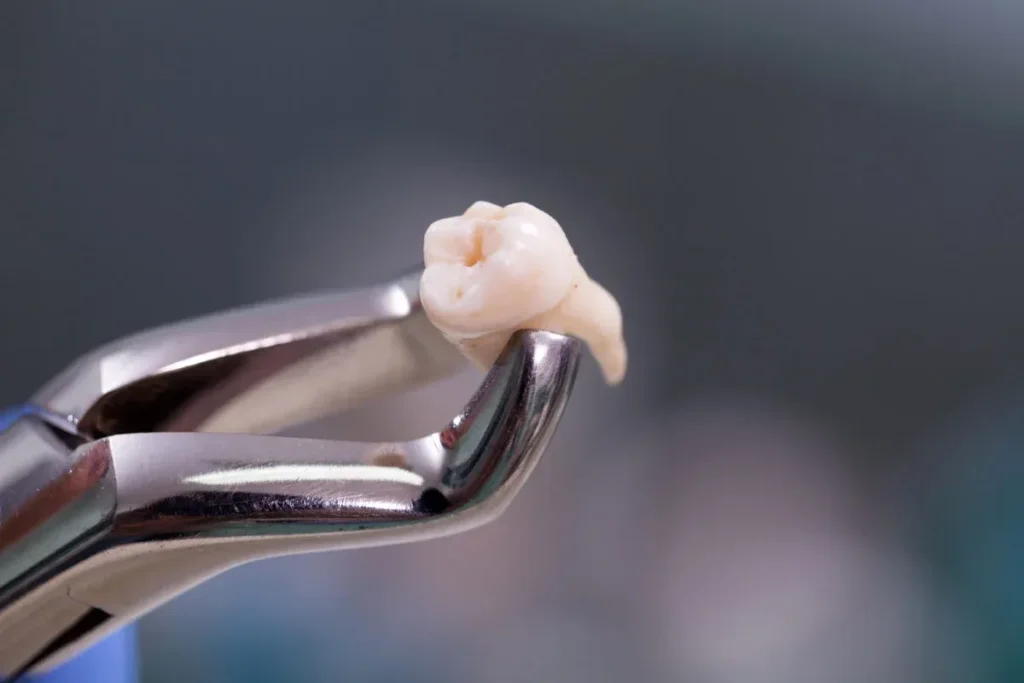
If you’re experiencing jaw pain 2 weeks after tooth extraction, it’s important to know if it’s normal or a sign of a bigger problem.
Usually, jaw pain gets better as you heal. But if it doesn’t or gets worse, it could mean there’s an issue.
Signs of Normal Healing vs. Complications
It’s key to tell normal healing from complications. Normal healing means pain and swelling go down slowly. But complications can show up as:
Increasing pain or swelling
Foul taste or pus in the mouth
Difficulty opening the mouth
Visible signs of infection, such as redness or fever
Common Complications Causing Prolonged Pain
There are a few reasons why jaw pain after tooth removal can last longer. These include:
Dry Socket: When the blood clot doesn’t form or gets knocked out, exposing the bone and nerves.
Infection: If the area isn’t cleaned well, bacteria can cause infection.
Temporomandibular Joint (TMJ) Strain: The extraction can hurt the TMJ, causing ongoing pain.
Knowing about these issues can help you spot problems early and get the right help.
Underlying Causes and Treatment for Persistent Jaw Discomfort
It’s important to know why jaw pain lasts after a tooth extraction. This pain can come from TMJ strain, nerve irritation, and muscle tension.
Temporomandibular Joint (TMJ) Strain
The TMJ connects the jaw to the skull. It’s key for jaw movement. Strain here can cause long-lasting pain.
TMJ strain might happen during the extraction or from keeping the mouth open too long. To treat it, physical therapy exercises can help. A dentist might also suggest a mouthguard to stop teeth grinding.
Nerve Irritation from Surgical Procedures
Nerve irritation is another reason for jaw pain after tooth extraction. The inferior alveolar nerve near the lower molars can get irritated or damaged. This leads to jaw pain or numbness.
For nerve irritation, medications for nerve pain might be needed. Sometimes, more surgery is required to fix the nerve damage.
Muscle Tension and When to Seek Professional Help
Muscle tension in the jaw, face, and neck can also cause pain. This tension might be from the surgery or from avoiding pressure on the extraction site.
Relaxation techniques, like deep breathing or meditation, can help relax muscles.
Physical therapy can also relieve tension and improve jaw function.
If jaw pain doesn’t go away or gets worse, see a dentist. They can find out why and suggest the right treatment. Getting help early can prevent more problems and help you heal faster.
Conclusion
It’s normal to feel some jaw ache after a tooth extraction. But, it’s important to watch your symptoms to heal well. Minor soreness is okay, but it should get better over time.
Feeling jaw pain after a tooth extraction? It’s key to tell normal discomfort from serious issues. Pain can come from strained jaw joints or irritated nerves.
To avoid long-lasting jaw pain, keep an eye on your symptoms. If you see unusual signs or if pain gets worse, see a dentist. Being proactive helps you recover comfortably.
There’s help for jaw pain after tooth extraction that’s not from dry socket. Dentists can offer specific advice and treatments. They help ease your pain and keep your mouth healthy.
FAQ
Is jaw pain after tooth extraction normal?
Yes, jaw pain after tooth extraction is normal. It can feel different and last for varying times. This pain usually comes from inflammation, TMJ strain, and healing.
How long does jaw pain last after tooth extraction?
Jaw pain usually gets worse in the first 48 hours after extraction. It then starts to get better over a few days. But, some people might feel pain for up to two weeks.
What can I do to manage jaw pain after tooth extraction?
To handle jaw pain, follow your dentist’s advice. Take pain meds as told and use ice packs to lessen swelling. Stay away from hard work and eat soft foods to ease discomfort.
When should I be concerned about jaw pain after tooth extraction?
If jaw pain doesn’t get better or gets worse after two weeks, or if you have swelling, fever, or pus, see a dentist. This could mean you have a dry socket or infection.
What are the signs of normal healing versus complications after tooth extraction?
Normal healing means pain and swelling get better slowly. But, if you have constant or getting worse pain, swelling, fever, or pus, it might be a complication. Always check with your dentist if you’re not sure.
Can TMJ strain cause persistent jaw discomfort after tooth extraction?
Yes, TMJ strain can lead to ongoing jaw pain after tooth extraction. If you keep feeling pain or hear clicking in your jaw, talk to your dentist for help.
How is nerve irritation from surgical procedures treated?
Nerve irritation from surgery might need pain meds, physical therapy, or other treatments. Talk to your dentist or a specialist to figure out the best plan.
Can muscle tension cause jaw pain after tooth extraction?
Yes, muscle tension can cause jaw pain after tooth extraction. Techniques like relaxation, physical therapy, or pain meds can help ease muscle tension and pain.
Why does my jaw hurt months after tooth extraction?
Jaw pain months after tooth extraction could be from TMJ strain, nerve irritation, or muscle tension. See your dentist to find out why and get the right treatment.
References
Jaw Pain 2 Weeks After Tooth Extraction
https://pmc.ncbi.nlm.nih.gov/articles/PMC11098612/