


Wisdom teeth, or third molars, are the last permanent teeth to erupt. They usually come in between 17 and 25 years of age. Knowing when they arrive is key to keeping your mouth healthy.
Spot the first signs of wisdom teeth coming in for amazing best care. Stop scary jaw pain and find top-rated dental relief .
A dull ache or soreness near the back of the jaw is a common sign. At GoldCity Center, we focus on early dental care and new ways to handle wisdom teeth goldcity center.
Spotting the first signs early can lead to better dental care. If your wisdom teeth come in right and don’t cause trouble, you might not need to do anything.
Key Takeaways
Understanding the arrival of wisdom teeth is key to good oral health.
A dull ache or soreness near the back of the jaw is a common sign.
Getting dental care early can prevent problems with wisdom teeth.
GoldCity Center offers innovative dental solutions for managing wisdom teeth.
Not all wisdom teeth cause issues; some come in without problems.
Understanding Wisdom Teeth Development
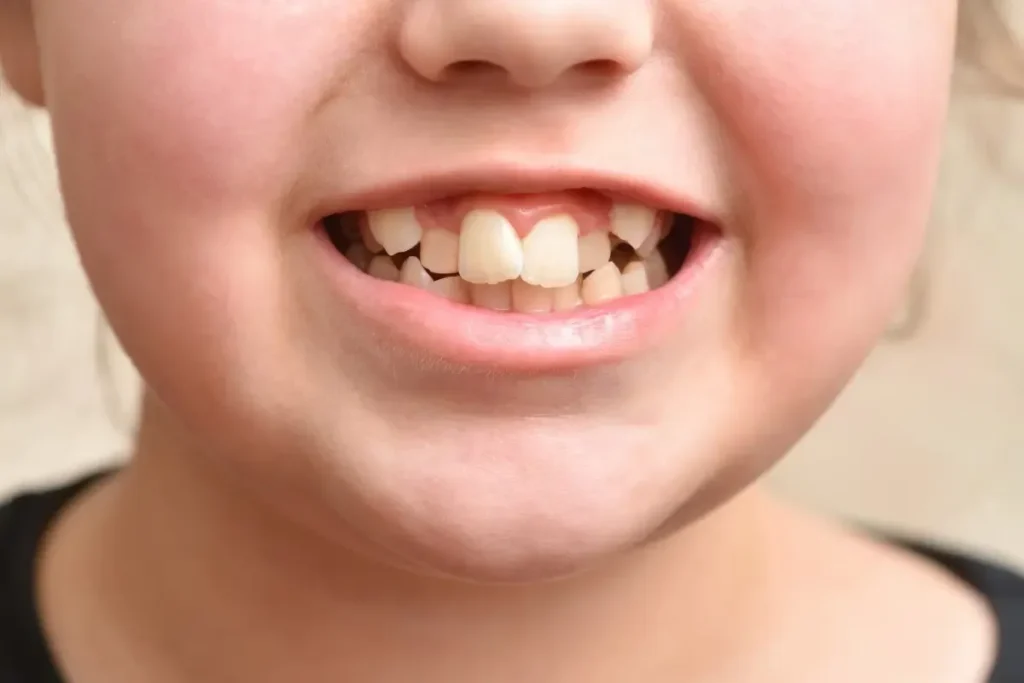
Wisdom teeth, or third molars, are the last set of teeth to develop in the human mouth. They usually appear between the ages of 17 and 25. Understanding their development is key to managing their eruption effectively.
What Are Wisdom Teeth and When Do They Typically Emerge?
Wisdom teeth are located at the very back of the mouth in both the upper and lower jaw. There are typically four of them in total. They’re a normal part of human dental anatomy. The typical age range for their emergence is between 17 and 25 years, though this can vary.
Some young adults have enough room in their jaw for wisdom teeth. They may experience few – if any – symptoms during their eruption.
The Normal Timeline of Wisdom Teeth Eruption
The eruption process of wisdom teeth can be accompanied by various symptoms. These include jaw soreness and swollen gums, which show the teeth moving through the gum tissue. Recognizing these signs early on can help in identifying any issues.
While some individuals may not feel much discomfort, others might face challenges. This is due to insufficient space in the jaw.
Early symptoms of wisdom teeth eruption include jaw soreness, swollen gums, and tenderness around the back of the mouth. Knowing these signs can help individuals prepare for the eruption of their wisdom teeth.
The First Signs of Wisdom Teeth Coming In
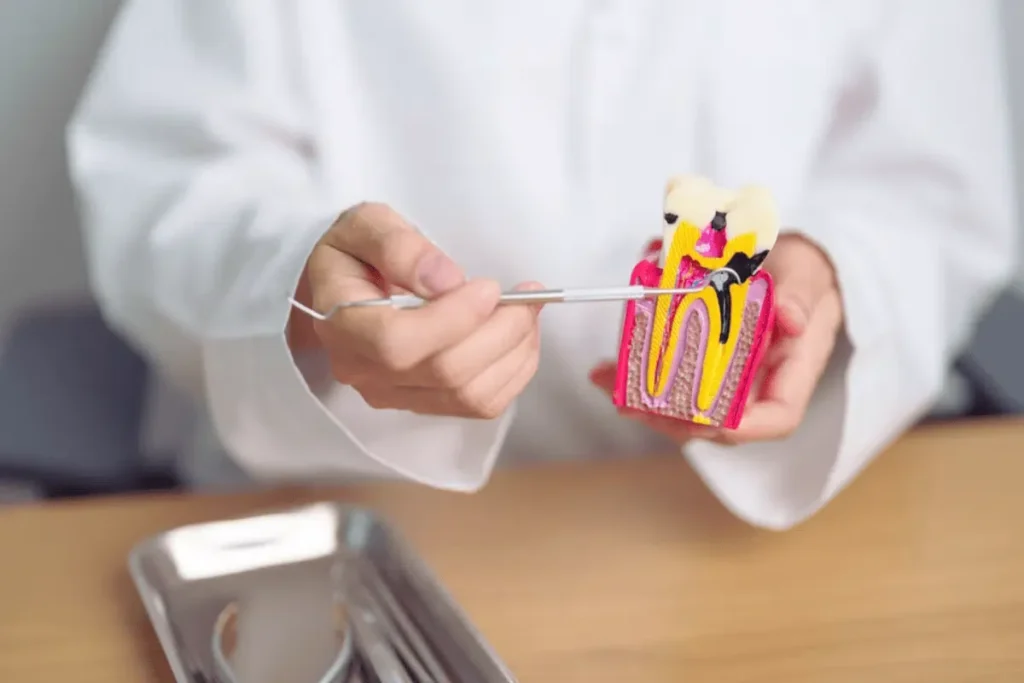
When wisdom teeth start to come in, you’ll notice several signs. Knowing these signs can help you prepare for and deal with the issues that come with wisdom teeth eruption.
Pain and Discomfort in the Back of the Jaw
Pain or discomfort in the back of the jaw is often the first sign. This pain can be mild or very strong. It might be there all the time or come and go.
As the tooth pushes through the gum, it can irritate and swell the area. This leads to discomfort.
Swollen, Red, or Tender Gums
The gums around the tooth may get swollen, red, or tender. This is because your body is reacting to the tooth coming through. Sometimes, the swelling can be quite big.
Visible White Specks Through the Gums
Small white specks may show through the gums as the tooth starts to come out. This is a clear sign that the tooth is breaking through. It’s important to keep this area clean to avoid infection.
Bad Breath and Unpleasant Taste
Bacteria and food particles around the tooth can cause bad breath and an unpleasant taste. Good oral hygiene is key during this time to reduce these symptoms.
As wisdom teeth continue to erupt, you might see a mix of these symptoms. Knowing these signs can help you get dental care if needed. This can make the process smoother.
Conclusion: When to See a Dentist About Wisdom Teeth
If you’re feeling pain or discomfort in your jaw’s back, or if your gums are swollen, see a dentist. About 90 percent of people have impacted wisdom teeth. This is a common issue that needs a dentist’s check.
A dentist can look at your teeth with X-rays. They’ll tell you what to do next. Going to the dentist regularly helps manage wisdom teeth and avoid problems.
Knowing when to see a dentist about wisdom teeth is important. If you’re worried or have pain, don’t wait. Contact your dentist for advice and help.
FAQ
What are the first signs that my wisdom teeth are coming in?
The first signs often include mild pain or pressure at the back of the mouth. You may also notice slight gum swelling or tenderness behind your last molars.
At what age do wisdom teeth typically emerge?
Wisdom teeth usually emerge between the ages of 17 and 25. However, the timing can vary from person to person.
What are the common symptoms associated with wisdom teeth eruption?
Common symptoms include jaw pain, swollen or red gums, difficulty opening the mouth fully, and occasional headaches. Some people may also experience bad breath due to trapped food.
How can I manage the discomfort caused by emerging wisdom teeth?
You can manage discomfort with over-the-counter pain relievers, warm saltwater rinses, and cold compresses. Maintaining good oral hygiene also helps reduce irritation.
When should I see a dentist about my wisdom teeth?
You should see a dentist if you experience severe pain, persistent swelling, infection, difficulty chewing, or if the tooth appears impacted.
Can wisdom teeth eruption be prevented or is it a normal process?
Wisdom teeth eruption is a natural process and cannot be prevented. However, a dentist can monitor their growth and recommend removal if needed.
What can a dentist do to help with wisdom teeth eruption?
A dentist can take X-rays to assess the position of the teeth, prescribe medication for infection or pain, and perform extraction if the teeth are impacted or causing problems.
Are there any visible signs that indicate wisdom teeth are coming in?
Yes, you may see a small white cusp breaking through the gum at the back of your mouth. Swollen or slightly raised gum tissue in that area is also common.
References
https://www.ncbi.nlm.nih.gov/books/NBK279591/