


Swollen gums near wisdom teeth can be very painful and uncomfortable. Pericoronitis is a common problem. It happens when wisdom teeth start to come in but don’t fully. This creates a flap that traps food and bacteria.
When gums are swollen wisdom teeth cause scary pain. Get amazing best relief and find top-rated dental tips for rapid healing now.
GoldCity Center focuses on the patient. They use the latest tests and treatments to help. Knowing the signs of pericoronitis helps get treatment early. This can stop the pain and swelling.
Key Takeaways
Pericoronitis is a common condition associated with wisdom teeth.
Partial eruption of wisdom teeth can trap food and bacteria, leading to inflammation.
GoldCity Center offers patient-centered care for treating swollen gums near wisdom teeth.
Timely treatment can prevent serious complications and alleviate pain.
Cutting-edge diagnostic techniques are used to provide effective treatment
Understanding Why Gums Are Swollen Around Wisdom Teeth
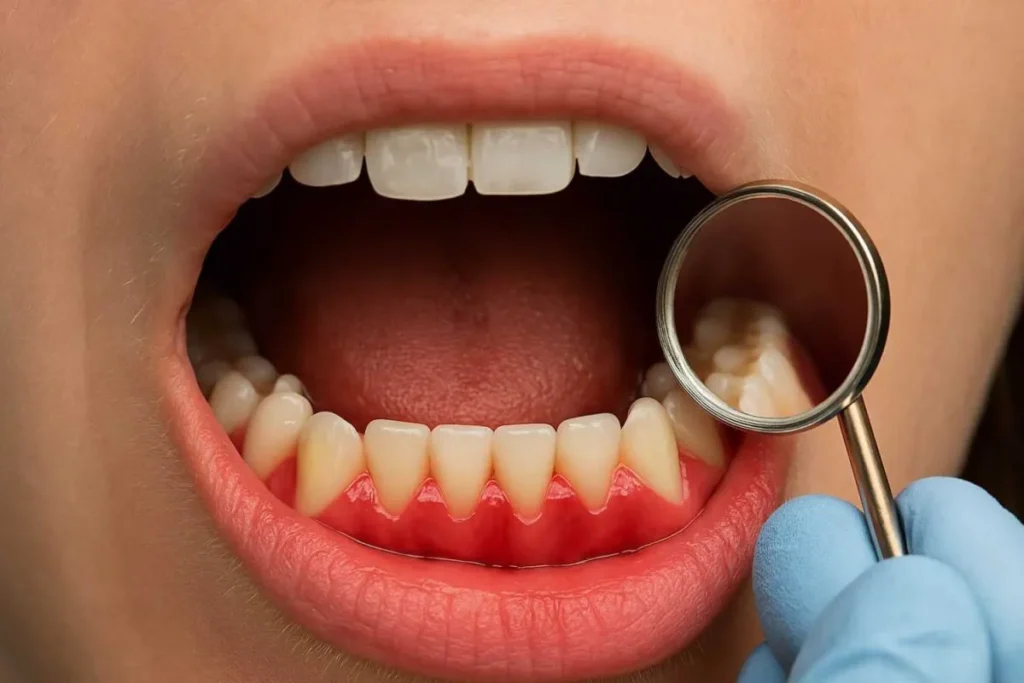
Swollen gums near wisdom teeth often mean there’s a problem that needs fixing. This issue is common around lower wisdom teeth. It affects many young adults when their wisdom teeth come in.
What is Pericoronitis?
Pericoronitis is when your gum tissue gets inflamed, often near lower teeth. It’s most common around wisdom teeth. These are the last set of molars that come in during late teens or early twenties.
This condition happens when wisdom teeth start to come through the gum. It creates a space for bacteria to grow and cause infections.
Common Symptoms and Warning Signs
The signs of pericoronitis include pain, swelling, and inflammation near the tooth. If not treated, it can cause bigger problems like infections and harm to nearby teeth. It’s important to catch these symptoms early to get help fast.
Here are some warning signs to look out for:
Pain or discomfort in the back of the mouth
Swollen, red, or tender gums
Difficulty opening the mouth or swallowing
A bad taste or odor in the mouth
Knowing the causes and symptoms of pericoronitis helps manage and treat it. Spotting the signs early means you can get dental care quickly. This reduces the chance of more serious problems.
Effective Home Remedies When Gums Are Swollen Wisdom Teeth

Swollen gums near wisdom teeth can be quite uncomfortable. But, there are several home remedies that can help. Keeping your mouth clean is key to preventing and treating pericoronitis, a common problem with wisdom teeth.
Salt Water Rinses and Proper Cleaning Techniques
Rinsing with warm saltwater is a simple yet effective method. It calms inflamed tissue and removes trapped debris. This helps reduce swelling and prevent infection. To do this, mix half a teaspoon of salt in 8 ounces of warm water. Swish it around your mouth for 30 seconds before spitting it out.
Proper cleaning techniques are also vital. Gently brushing around the affected area with a soft-bristled toothbrush and flossing carefully can help. This removes plaque and bacteria that may make swelling worse.
Over-the-Counter Pain Relief Methods
Over-the-counter pain relievers like ibuprofen or acetaminophen can help manage pain and swelling. Ibuprofen, in particular, has anti-inflammatory properties that can reduce swelling.
It’s important to follow the recommended dosage instructions. If you have any questions or concerns, consult with a healthcare provider.
Cold Compresses and Anti-Inflammatory Approaches
Applying a cold compress to the outside of your cheek near the affected area can help. The cold temperature constricts blood vessels, which can help minimize inflammation.
Professional Treatment Options for Severe Cases
Severe swelling around wisdom teeth needs quick attention from a dentist. Knowing the signs of pericoronitis, like pain, fever, or gum bleeding, is key to getting help fast.
When to Seek Immediate Dental Care
If you have severe pain, swelling, or trouble opening your mouth, see a dentist right away. Waiting too long can cause serious infections and even life-threatening problems.
Signs that require immediate dental care include:
Persistent pain or swelling
Fever or chills
Difficulty swallowing or breathing
Pus or discharge around the wisdom tooth
Dental Procedures to Relieve Swelling
Dentists may suggest different treatments to reduce swelling and prevent more issues. These can include:
Antibiotics and Prescription Medications
Antibiotics may be given for pericoronitis to fight the infection. Pain relievers and anti-inflammatory drugs can also help manage symptoms and ease discomfort.
Common prescription medications include:
Amoxicillin
Clindamycin
Ibuprofen or other NSAIDs for pain relief
It’s important to follow your dentist’s advice on medication and finish all antibiotics. This ensures the infection is fully treated.
Conclusion
Swollen gums near wisdom teeth can be very painful. It’s important to know why this happens and what symptoms to look out for. If you’re feeling pain, seeing a dentist quickly is key to avoid worse problems.
For mild cases, a dentist might just watch the situation. But if it’s serious, you might need surgery or to have your wisdom teeth removed. Keeping your mouth clean is a big part of managing swollen gums and preventing more issues.
If your gums hurt around your wisdom tooth, go see a dentist. They can figure out the best way to help you feel better. They’ll also tell you how to take care of your mouth to avoid more pain.
By acting fast to treat swollen gums near your wisdom teeth, you can reduce the pain and discomfort. With the right treatment and care, you can overcome the pain and keep your mouth healthy.
FAQ
What causes swollen gums around wisdom teeth?
Swollen gums around wisdom teeth are usually caused by irritation or infection from partially erupted teeth. Food and bacteria can get trapped under the gum flap, leading to inflammation and sometimes pericoronitis.
How can I treat swollen gums near wisdom teeth at home?
Mild swelling can be managed with warm saltwater rinses, over-the-counter pain relievers, and careful brushing to remove trapped debris. Avoid hard or sharp foods that may aggravate the gums.
When should I seek immediate dental care for swollen gums near wisdom teeth?
Seek immediate care if you have severe pain, swelling that spreads to the face or neck, difficulty opening your mouth, fever, or signs of pus and infection. These may indicate a serious infection.
What are the common symptoms of pericoronitis?
Common symptoms include red and swollen gums, pain around the tooth, bad taste or odor, difficulty chewing or opening the mouth, and sometimes fever or swollen lymph nodes.
Can good oral hygiene practices help prevent swollen gums near wisdom teeth?
Yes, regular brushing, flossing, and rinsing with antiseptic mouthwash can reduce bacteria and food accumulation, lowering the risk of swelling and infection.
What professional treatment options are available for severe cases of pericoronitis?
Dentists may clean the area, remove trapped debris, prescribe antibiotics, perform minor surgery to remove the gum flap (operculectomy), or extract the problematic wisdom tooth.
How can I alleviate pain and discomfort caused by swollen gums near wisdom teeth?
Pain can be reduced with over-the-counter painkillers, warm saltwater rinses, and applying a cold compress externally to reduce swelling.
What is the role of antibiotics in treating pericoronitis?
Antibiotics are used to treat bacterial infection in severe or spreading cases of pericoronitis. They help control infection but do not replace the need for professional cleaning or tooth removal if necessary.
References
National Center for Biotechnology Information. Evidence-Based Medical Insight. Retrieved from https://www.ncbi.nlm.nih.gov/books/NBK576411/[1