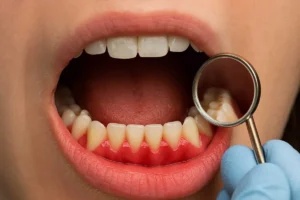



If you have sore, swollen, or bleeding gums when brushing, you’re not alone. Gum inflammation is a common problem worldwide. It ranges from mild gingivitis to serious periodontal disease.
Exactly what causes gum inflammation? Learn amazing best ways to stop scary bleeding and maintain top-rated, healthy dental gums.
Knowing why your swollen gums are a problem is key to getting your oral health back. The CDC says nearly half of American adults have gum disease. This condition can cause serious problems if not treated.
At GoldCity Center, our dental experts use the latest tools and plans to find and fix your gum swelling. They aim to help you get your oral health back to top shape.
Key Takeaways
Gum inflammation is a big health issue, affecting nearly half of all adults worldwide.
Bacterial plaque and poor oral care are the main reasons for inflamed and swollen gums.
Knowing why your gums swell is key to fixing your oral health.
GoldCity Center’s dental team uses advanced methods and custom plans to help you.
If gum disease isn’t treated, it can cause serious oral health problems.
Understanding Gum Inflammation: A Common Health Concern

Gum inflammation is a big problem worldwide, affecting both oral and overall health. Gum inflammation, also known as gingivitis, makes the gums swell. It usually happens because people don’t brush their teeth well enough.
“Gum disease is a major public health issue, affecting not just oral health but also overall well-being,” as noted by dental health professionals. The global impact of gum inflammation is huge, with many people suffering from it.
The Global Impact of Gum Inflammation
Gum inflammation is a common problem that affects millions globally. It’s one of the top oral health issues, impacting people’s lives a lot. The high number of cases worldwide shows we need to teach more about good oral hygiene.
Recognizing the Signs and Symptoms
It’s important to know the signs of gum inflammation early. Look out for redness, swelling, and bleeding of the gums. If ignored, it can turn into something worse like periodontitis.
Some key signs include:
Gum redness and swelling
Bleeding gums during brushing or flossing
Bad breath or a bad taste in the mouth
Receding gums
Knowing these signs helps people get dental care early. This can stop gum inflammation from getting worse.
What Causes Gum Inflammation and Swelling

Gum inflammation often starts with poor oral hygiene and bacterial plaque buildup. Plaque on teeth irritates the gums, causing swelling and inflammation.
The Role of Bacterial Plaque and Poor Oral Hygiene
Bacterial plaque is a sticky film that forms on teeth. It’s a main cause of gum inflammation because it holds bacteria. Poor oral hygiene makes this problem worse by letting plaque grow.
As bacterial plaque grows, it triggers an inflammatory response in the gums. This is the body’s way of fighting off the infection.
How Plaque Develops into Tartar
If plaque isn’t brushed away, it turns into tartar or calculus. Tartar is tough to remove and needs a dentist’s help.
Tartar makes cleaning teeth harder and creates a surface for more plaque. This cycle can worsen gum inflammation.
The Inflammatory Response in Gum Tissue
The presence of bacteria in bacterial plaque and tartar triggers inflammation. The body’s fight against infection makes gums red, swollen, and prone to bleeding.
Knowing why gums get inflamed is key to preventing and treating it. Good oral hygiene and regular dental visits can greatly lower the risk of gum disease.
Risk Factors That Contribute to Swollen Gums
Knowing what causes swollen gums is key to staying healthy. Many things can make gums inflamed. Knowing these can help you keep your mouth healthy.
Hormonal Changes
Hormonal shifts can really affect your gums. For example, pregnancy brings more progesterone, which can make gums swell. Hormonal changes in puberty and menopause can also harm gum health.
Medications That Affect Gum Health
Some medicines can make gums swell. Calcium channel blockers for high blood pressure and anticonvulsants for seizures are examples. If you take these, brushing your teeth well is very important.
Systemic Conditions and Diseases
Conditions like poorly controlled diabetes can make gums swell. Other diseases, like leukemia and HIV/AIDS, can also harm gums because they weaken the immune system.
Lifestyle Factors: Smoking and Nutrition
How you live affects your gums. Smoking hurts gums by cutting off blood flow and making it hard to fight infections. A diet without enough vitamin C can also make gums swell.
Quitting smoking can greatly lower gum disease risk.
Eating a balanced diet with fruits, veggies, and whole grains helps your mouth.
Going to the dentist regularly is key for catching and treating gum problems early.
By knowing and dealing with these risk factors, you can prevent swollen gums and keep your mouth healthy.
Progression and Health Implications
It’s important to know how gum inflammation gets worse. This helps keep your mouth and body healthy. If gum inflammation isn’t treated, it can cause big problems.
From Gingivitis to Periodontitis
Gingivitis is the first sign of gum inflammation. It makes your gums red, swollen, and bleed. If you don’t treat it, it can turn into periodontitis.
Periodontitis is a serious gum infection. It can damage your gums and even make you lose teeth. Many things can make gingivitis turn into periodontitis, like bad oral care, smoking, and some health issues.
The table below shows the main differences between gingivitis and periodontitis:
Connection Between Gum Health and Overall Wellness
Research shows gum health is linked to overall wellness. Studies found a connection between gum disease and health issues like heart disease and diabetes.
This shows why keeping your gums healthy is key to your overall health.
To keep your gums healthy, brush and floss regularly. Also, don’t forget to see your dentist often.
Conclusion
Gum inflammation is a common problem that can cause serious issues if ignored. Knowing the causes of swollen gums and inflamed gums is key to preventing them.
Good oral hygiene is essential. Brushing and flossing regularly can greatly lower the risk of gum inflammation. These simple steps are vital for keeping gums healthy and your oral health in check.
Preventing gum problems is always better than treating them. Taking care of your mouth can help avoid the pain and complications of gum inflammation. Regular dental visits and a healthy diet are also important for prevention and a beautiful smile.
FAQ
What are the primary causes of gum inflammation and swelling?
Gum inflammation and swelling are most often caused by plaque buildup, poor oral hygiene, bacterial infections, and irritation from dental appliances or misaligned teeth.
How does hormonal change affect gum health?
Hormonal changes during puberty, pregnancy, menstruation, or menopause can make gums more sensitive, increasing the risk of swelling, bleeding, and inflammation.
Can certain medications cause swollen gums?
Yes, some medications like anti-seizure drugs, certain blood pressure medications, and immunosuppressants can cause gum overgrowth or swelling.
What is the connection between gum health and overall wellness?
Poor gum health is linked to systemic conditions such as heart disease, diabetes, and respiratory issues. Inflammation in the gums can contribute to overall inflammation in the body.
How can I prevent gum inflammation?
Good oral hygiene, regular dental check-ups, balanced nutrition, avoiding tobacco, and managing systemic health conditions can help prevent gum inflammation.
What are the signs and symptoms of gum inflammation?
Symptoms include red, swollen, or tender gums, bleeding while brushing or flossing, persistent bad breath, and gums that feel soft or puffy.
Can smoking affect gum health?
Yes, smoking reduces blood flow to the gums, weakens the immune response, and increases the risk of gum disease, delayed healing, and infection.
How does nutrition impact gum health?
A diet rich in vitamins C and D, calcium, and antioxidants supports healthy gums, while excessive sugar and processed foods can promote plaque buildup and inflammation.
What is the difference between gingivitis and periodontitis?
Gingivitis is mild gum inflammation that is reversible with proper care. Periodontitis is advanced gum disease that damages tissue and bone, potentially leading to tooth loss.
Can systemic conditions affect gum health?
Yes, conditions like diabetes, autoimmune disorders, and hormonal imbalances can increase susceptibility to gum disease and complicate healing.
References
National Center for Biotechnology Information. Evidence-Based Medical Insight. Retrieved from https://pmc.ncbi.nlm.nih.gov/articles/PMC8578868/[4