


Dry socket is a complication that can happen after tooth extraction. It causes a lot of pain and discomfort. Studies show that the rate of dry socket varies a lot, from 0.5% to 5%. Some studies even found rates as high as 41.2%, mostly in third molar extractions.
Exactly how common is dry socket? Discover amazing best ways to avoid scary post-extraction pain and ensure top-rated oral recovery.
Several factors can affect how common dry socket is. It’s important to know the risks and take steps to prevent it. By understanding the risk of dry socket, patients can better handle their recovery. They can also seek help quickly if they need to.
Key Takeaways
Dry socket incidence rates vary significantly after tooth extraction.
Some studies report dry socket rates as high as 41.2% in third molar extractions.
Understanding the risk factors is key for prevention and management.
Patients can take steps to lower their risk of dry socket.
Quick action is vital for managing dry socket and easing pain.
Understanding Dry Socket: Causes and Symptoms

Dry socket, or alveolar osteitis, is a painful condition that can happen after a tooth is pulled. It occurs when the blood clot in the socket is lost or doesn’t form. This exposes the bone and nerves underneath.
What Is Dry Socket (Alveolar Osteitis)?
Dry socket, also known as alveolar osteitis, is a painful dental issue. It happens when the blood clot over the extraction site is lost or doesn’t form right. This clot is important because it protects the bone and nerves, helping the healing process.
The Distinctive Pain of Dry Socket
The pain from dry socket is severe and throbbing. It can spread from the extraction site to the ear, eye, or face. This pain is hard to manage with regular pain meds. Knowing why it hurts is key to treating it.
The pain of dry socket comes from the bone and nerves being exposed. Normally, the blood clot covers them. Without it, they get inflamed and irritated, causing the pain.
How Common Is Dry Socket Following Different Types of Extractions
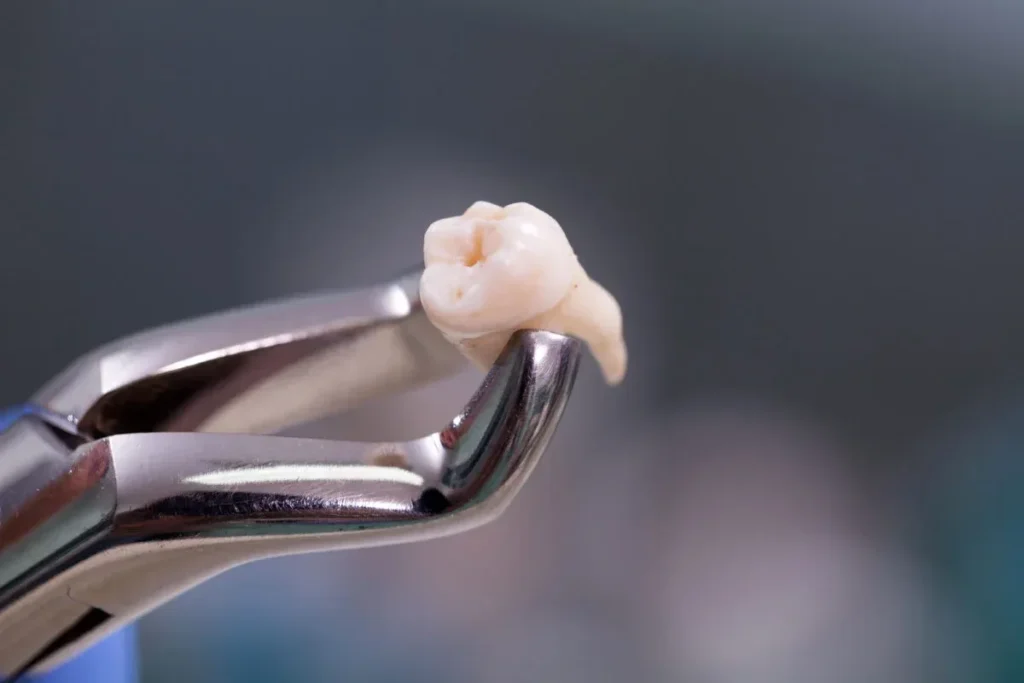
Dry socket rates change a lot based on the tooth extraction type. Knowing these differences helps both patients and dentists. It helps manage expectations and prevent dry socket.
Prevalence in Routine Dental Extractions
Routine tooth extractions are common for teeth that are decayed or damaged. They have a low dry socket rate. Studies show dry socket happens in 1% to 1.8% of these cases. This is because these extractions are usually simple and don’t involve complex surgery.
Incidence Rates in Wisdom Tooth Removal
Wisdom tooth removal is more complex than routine extractions. Dry socket rates are much higher, from 12% to 35%. This is because wisdom teeth are hard to clean and the surgery is complex.
Overall Prevalence Range in Research Studies
Studies on dry socket show a wide range of rates. This is because of different study groups, extraction methods, and care after surgery. Dry socket rates can be as low as 1% for simple extractions or up to 35% for complex ones like wisdom tooth removal. This shows the need for personalized care and following post-surgery instructions to lower dry socket risk.
When and Why Dry Socket Occurs
Knowing when dry socket happens is key to managing pain and healing after a tooth is pulled. Dry socket, or alveolar osteitis, can really slow down the healing process.
Typical Timeline for Dry Socket Development
Dry socket usually shows up 2-3 days after a tooth is pulled. It often peaks in the first week. This is a critical time because the extraction site is most at risk.
At this point, the blood clot over the socket might get knocked out or break down. This exposes the bone and nerves, causing the pain of dry socket.
Major Risk Factors
Several things can make you more likely to get dry socket. These include:
Smoking: It can knock out the blood clot and cut off blood flow, slowing healing.
Oral Contraceptives: Some meds, like birth control pills, can mess with healing and up the risk.
Inadequate Aftercare: Not following aftercare instructions can lead to problems.
Trauma During Extraction: If the tooth pulling is hard or complicated, it raises the risk of dry socket.
Knowing these risk factors can help you prevent dry socket. If you think you might have it, talk to your dentist right away.
Conclusion: Understanding Your Risk of Dry Socket
It’s important to know about dry socket risk to prevent and manage it well. By understanding the causes, symptoms, and risk factors, you can lower your chance of getting this painful condition.
Dry socket happens when the blood clot in the socket after tooth extraction gets dislodged or dissolves. This exposes the bone and nerve endings. Knowing how common dry sockets are and what happens if you get one can help you prepare and prevent it.
To prevent dry socket, keep your mouth clean, avoid smoking and hard activities, and follow your dentist’s post-extraction advice. Being aware of the risk factors and taking steps to reduce them can lower your chance of dry socket. This ensures a smoother recovery after tooth extraction.
FAQ
How common is dry socket after tooth extraction?
Dry socket occurs in about 2–5% of all tooth extractions. The risk is higher for certain teeth and extraction types, especially impacted wisdom teeth.
What is dry socket?
Dry socket, or alveolar osteitis, is a painful condition that occurs when the blood clot at the extraction site dislodges or dissolves before the wound has healed. This exposes the underlying bone and nerves.
Is dry socket always painful?
Yes, dry socket is typically very painful. The pain usually starts a few days after the extraction and can radiate to the jaw, ear, or temple on the same side.
How common is dry socket after routine dental extractions?
For routine tooth extractions, dry socket is relatively uncommon, affecting about 2–5% of patients. Most extractions heal normally without complications.
How common is dry socket after wisdom tooth removal?
After impacted wisdom tooth extraction, dry socket is more common, occurring in 10–30% of cases. The risk is higher for lower wisdom teeth compared to upper teeth.
When is dry socket most likely to occur?
Dry socket usually develops 2–4 days after a tooth extraction, as the initial blood clot begins to dissolve or dislodge during the early healing period.
What are the major risk factors for dry socket?
Risk factors include smoking, poor oral hygiene, traumatic or difficult extractions, use of oral contraceptives, and a history of dry socket. Certain systemic conditions, like diabetes, can also increase risk.
Why does dry socket hurt so much?
The pain occurs because the underlying bone and nerves are exposed after the protective blood clot is lost. Without the clot, the site is sensitive to air, food, and liquids, causing intense throbbing pain.
Can dry socket be prevented?
Yes, following post-extraction care instructions can reduce the risk. This includes avoiding smoking, not using straws, keeping the mouth clean, and following your dentist’s recommendations for rest and diet.
References
National Center for Biotechnology Information. Evidence-Based Medical Insight. Retrieved from https://pmc.ncbi.nlm.nih.gov/articles/PMC3089956/