
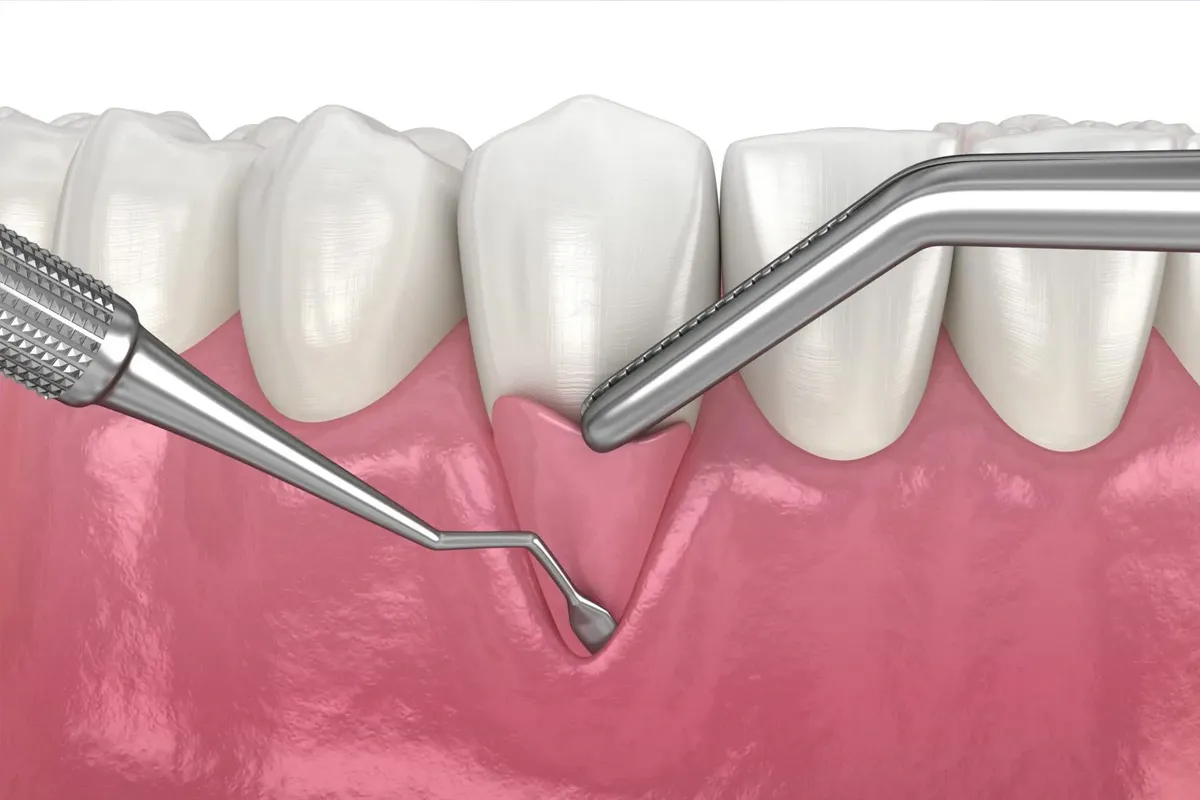
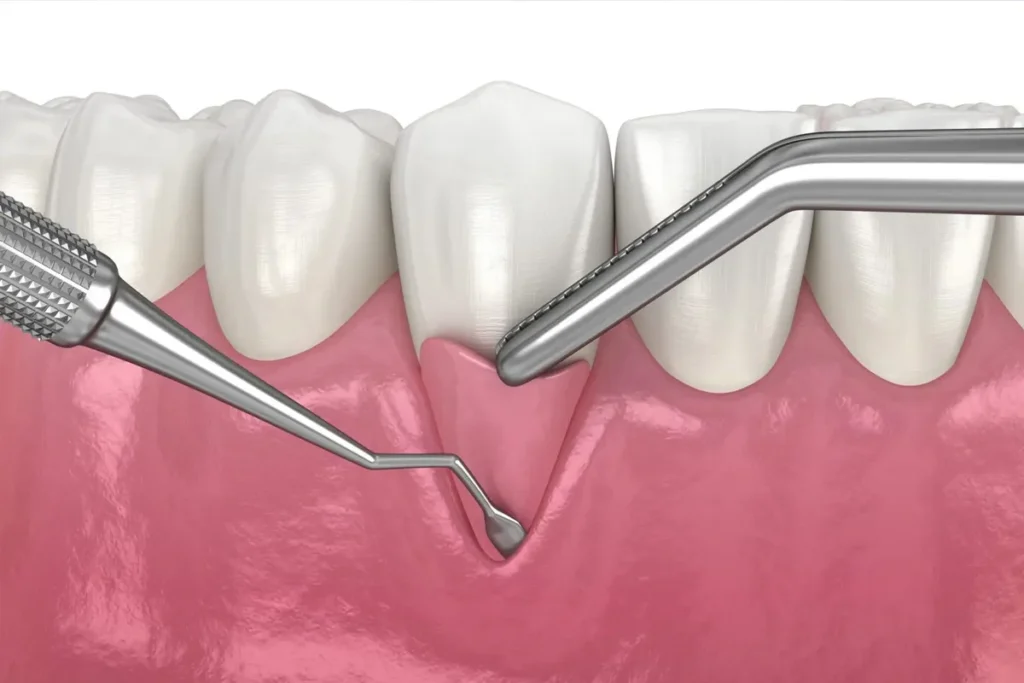
Periodontal surgery is a key treatment for gum disease. It’s important for those with severe gum issues. About eleven percent of adults worldwide have severe periodontitis.
Learning about periodontal surgery can help a lot. This guide will explain the process, benefits, and what to expect. It aims to help you prepare for a smooth recovery.
Key Takeaways
Understanding periodontal surgery is key for gum disease treatment.
The global periodontal disease treatment market is growing, valued at USD 2.58 billion in 2024.
Periodontal surgery greatly improves oral health and overall well-being.
Modern techniques and caring doctors are changing oral health for the better.
Top healthcare places offer full treatment options.
Understanding Periodontal Disease and the Need for Surgical Intervention
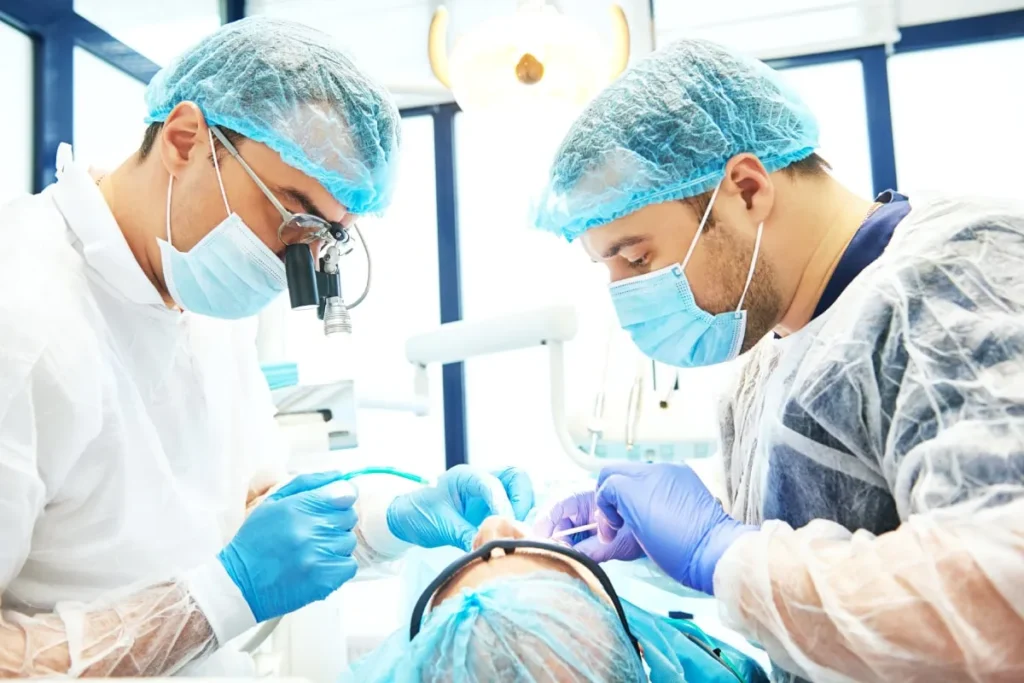
Periodontal disease is a common problem that affects millions of people worldwide. It causes inflammation and infection in the gums and bone that hold teeth in place. If not treated, it can lead to tooth loss.
It’s a big issue globally, with many adults affected. The Centers for Disease Control and Prevention (CDC) says nearly half of adults over 30 in the U.S. have it. This shows how important it is to know about the disease and its treatments.
The Global Impact of Periodontal Disease
Periodontal disease is a worldwide problem. The World Health Organization (WHO) calls it a major public health issue. They stress the need for good prevention and treatment.
The disease can cause a lot of pain and make eating and speaking hard. In bad cases, it can lead to tooth loss. This affects not just your mouth but your overall health and life quality.
When Non-Surgical Treatments Are Not Enough
Non-surgical treatments like scaling and root planing work well for many. But sometimes, these aren’t enough. Advanced disease or serious damage might need surgery to fix.
Periodontal surgery is for those with severe gum disease or who need support for dental implants. The surgery aims to clean deep, remove bacteria, and fix gum and bone damage. It also prepares the mouth for implants.
Clinical Indicators for Periodontal Surgery
There are signs that show you might need surgery. These include deep pockets, bone loss, gum recession, and furcation involvement. Furcation is when the bone between a tooth’s roots is lost.
Knowing when you need surgery for periodontal disease is key. It helps dental professionals and patients. Recognizing the signs early can prevent more problems and improve your oral health.
Periodontal Disease Medical Procedures: Types and Innovations

Periodontal surgery has seen big changes, making treatments better for those with periodontal disease. New surgical methods have been created to tackle the challenges of periodontal disease.
Traditional Surgical Approaches
For years, traditional surgery has been key in treating periodontal disease. Flap surgery lifts the gum to clean out tartar and plaque, making pockets shallower. Bone grafting helps grow back lost bone, supporting teeth better.
“Traditional surgery aims to remove disease and bring back a healthy gum environment,” a top periodontal surgeon explains. These methods have improved over time and are vital in gum treatment.
Guided Tissue Regeneration Techniques
Guided tissue regeneration (GTR) is a big step forward in gum surgery. It uses a barrier membrane to help new bone and tissue grow. GTR has shown great promise in rebuilding lost gum structures.
Enhances bone regeneration
Promotes tissue growth
Improves periodontal outcomes
Minimally Invasive Periodontal Surgery
Minimally invasive gum surgery marks a big move towards gentler treatments. Methods like minimally invasive surgical technique (MIST) cause less gum damage. This leads to less pain after surgery and quicker healing.
The field of gum surgery is growing fast, at a 7.04% CAGR. New tech in GTR and regenerative materials is driving this growth. As these advancements keep coming, patients will see more effective and gentle treatments.
Conclusion: What to Expect and Future Developments
The periodontal disease treatment market is growing fast. Knowing the costs of periodontal surgery is key. Prices vary a lot, based on the surgery type, insurance, and disease severity. Treatments usually cost between $500 and $10,000 per surgery.
Before getting periodontal surgery, talk to a skilled periodontal surgeon or doctor. They can explain the costs and suggest the best treatment. This way, you can make smart choices for your oral health.
Periodontal surgery is getting better with new tech and methods. Keeping up with these advances can lead to better results. This helps you get your smile back and feel confident.
FAQ
What is periodontal surgery?
Periodontal surgery is a dental procedure performed to treat advanced gum disease, repair damaged gum tissue, and restore the supporting structures of teeth.
What is a periodontal procedure?
A periodontal procedure is any medical or surgical intervention aimed at preventing, managing, or correcting gum and bone problems associated with periodontal disease.
When is periodontal surgery necessary?
Surgery is needed when non-surgical treatments like scaling and root planing cannot control gum disease, there is significant bone or tissue loss, or deep pockets around teeth persist.
What are the different types of periodontal disease medical procedures?
Common procedures include flap surgery, bone grafting, guided tissue regeneration, soft tissue grafts, crown lengthening, and minimally invasive laser therapy.
How much is periodontal surgery?
Costs vary widely depending on the procedure, location, and complexity, typically ranging from $500 to $5,000 per procedure, sometimes higher for advanced grafting or regeneration treatments.
What is guided tissue regeneration in periodontal surgery?
Guided tissue regeneration uses a barrier membrane to direct the growth of bone and gum tissue, promoting natural regeneration around teeth affected by periodontitis.
What is minimally invasive periodontal surgery?
Minimally invasive surgery uses smaller incisions, specialized instruments, or lasers to reduce tissue trauma, pain, and recovery time while treating periodontal disease.
What can I expect during and after periodontal surgery?
During surgery, local anesthesia is used, and the dentist or periodontist repairs or reshapes gum/bone tissue. Post-surgery, expect swelling, mild pain, and careful oral hygiene for a few weeks.
How do I find a qualified periodontal surgeon?
Look for a board-certified periodontist, use the American Academy of Periodontology (AAP) “Find a Periodontist” tool, and check for experience with your specific procedure.
References
National Center for Biotechnology Information. Evidence-Based Medical Insight. Retrieved from https://pubmed.ncbi.nlm.nih.gov/31051034/