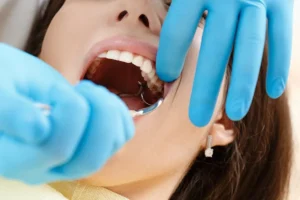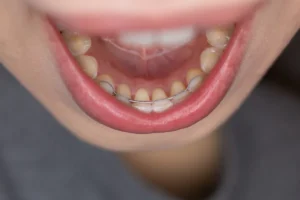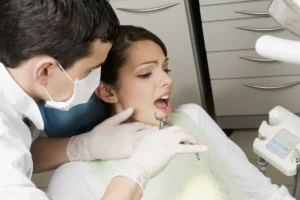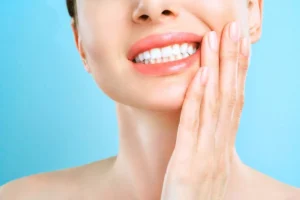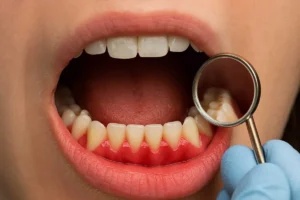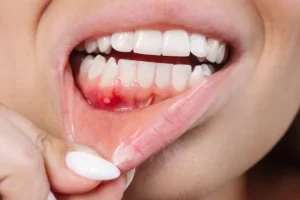



A toothache is a painful dental issue. It causes sharp, throbbing, or constant pain. This pain can really mess with your daily life and sleep.
Suffering from a random toothache? Discover amazing best ways to stop scary night pain and find top professional dental relief today.
The pain from a toothache can feel different. You might feel sharp stabbing, dull aching, or intense throbbing. This pain is usually around the tooth and jaw area.
Many people find that their toothache pain gets much worse at night. This makes it hard to sleep. There are real reasons for this, like your body’s changes during sleep.
During sleep, your body’s blood flow to the head increases. This extra blood flow puts more pressure on the sore tooth. This makes the pain even stronger.
Key Takeaways
Toothaches can cause varying sensations, including sharp stabbing pain and dull aching.
Pain often intensifies at night due to increased blood flow to the head.
Daily activities can distract from the pain, making it less noticeable during the day.
Nighttime toothache pain can significantly disrupt sleep quality.
Understanding the causes of toothache pain can help in finding relief.
Identifying the Sensations of a Random Toothache
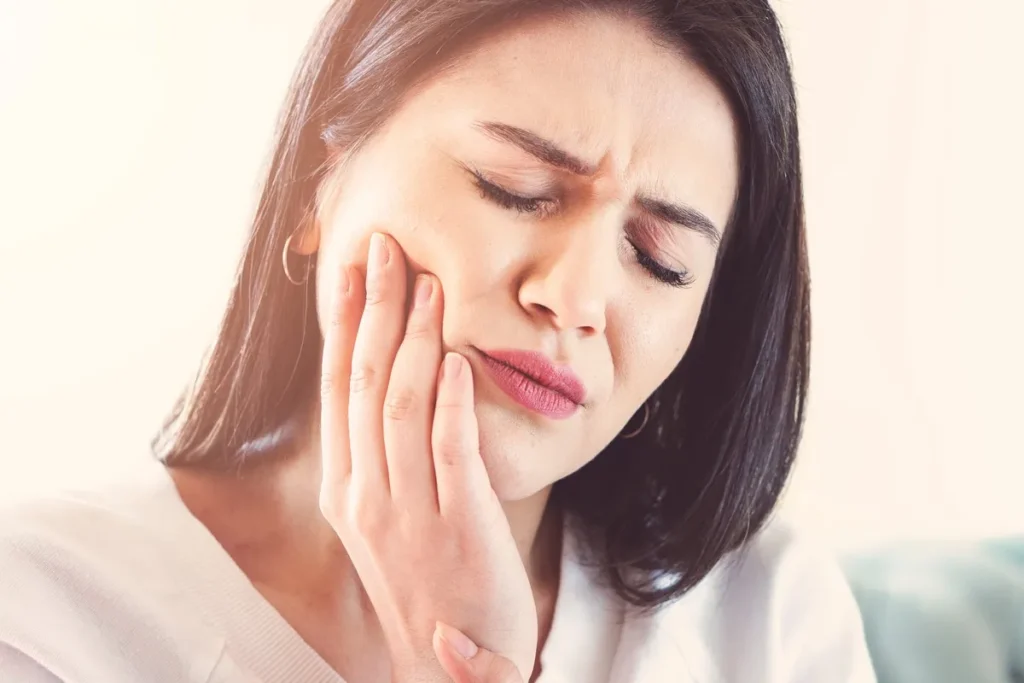
Toothaches can feel different, so it’s key to know what kind of pain you have. You might feel sharp, throbbing, or constant pain. Knowing these types helps figure out why and how to feel better.
Sharp, Throbbing, and Constant Pain Patterns
Tooth pain can be sharp, throbbing, or constant. Sharp pain is sudden and intense, often from hot or cold. Throbbing pain is a steady, pulsing feeling that might mean infection or swelling. Constant pain is ongoing and can be from decay or gum disease.
Sharp stabbing feels when the tooth enamel is damaged, exposing dentin.
Throbbing pain might mean you have an infection that needs quick care.
Constant pain could be from long-term problems like gum recession or grinding teeth.
How Tooth Pain Radiates Through the Jaw and Face
Tooth pain can spread to the jaw and face, making it hard to find the source. The pain in tooth and jaw can seem to come from somewhere else. This happens because of the nerves in the face.
The pain might go to the jaw, ear, or other teeth. This makes it tough to find where it’s coming from without a dentist’s help. Reasons for this spreading include:
Increased sensitivity from worn enamel or gum recession.
Infection or swelling that bothers nearby nerves.
Damage or injury to the tooth or jaw.
Knowing how toothache hurting jaw and other areas helps find the right treatment. It’s important to see a dentist to find and fix the pain’s cause.
Why Toothaches Become More Intense at Night
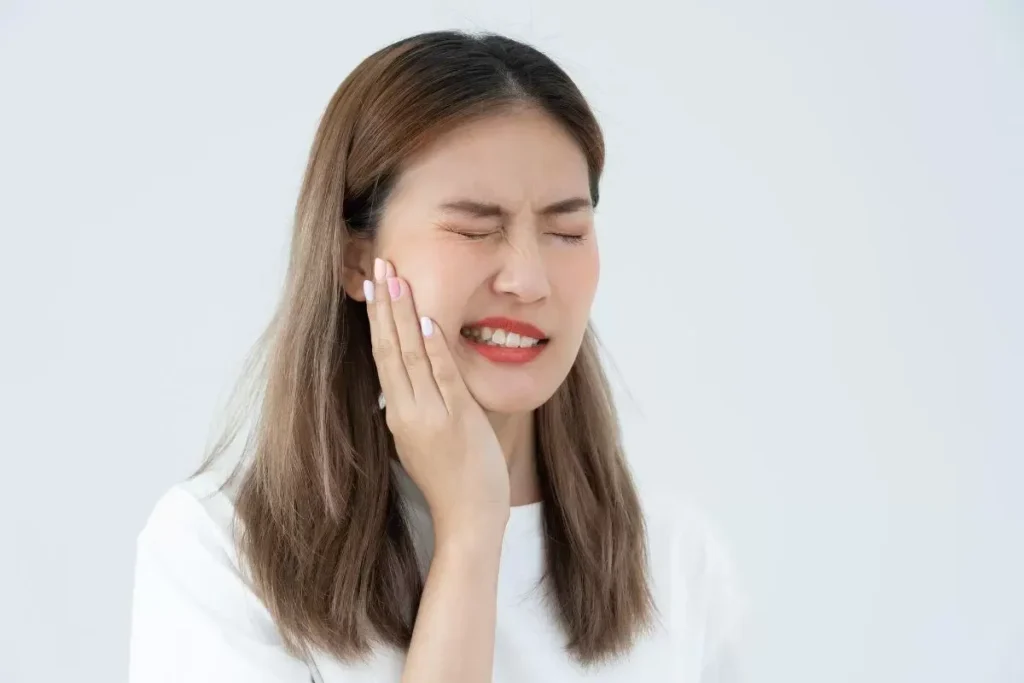
Toothaches often hurt more at night. People wonder why this happens. It’s important to know why to better handle the pain.
Increased Blood Flow When Lying Down
Lying down makes blood flow to the head increase. This extra blood can make pain worse. Try using an extra pillow to keep your head up. This can help reduce blood flow and ease pain until you can see a dentist.
Reduced Distractions and Heightened Pain Awareness
During the day, distractions can hide toothache pain. But at night, with less to distract us, the pain is more noticeable. Relaxation techniques like deep breathing can help deal with this increased pain awareness.
Nighttime Hormonal Changes Affecting Pain Perception
Hormonal changes can affect how we feel pain. Hormones that help with pain might be higher during the day. At night, when these hormones change, pain can seem worse. Knowing this can help us find ways to manage pain at night.
Toothaches can be unpredictable. Knowing why they can come and go is key. Body position, distractions, and hormones all play a part. By understanding these, we can take steps to ease our pain.
Conclusion: Managing Nighttime Tooth Pain and When to Seek Help
Toothache pain can be really tough, making it hard to sleep and live normally. It’s important to know why toothache pain gets worse at night. This knowledge helps you manage it better.
If you have a molar toothache or pain when lying down, finding the cause is key. Blood flow increases, distractions decrease, and hormones change at night. These factors can make pain worse.
Don’t ignore tooth pain, even if it’s just at night. Waiting too long can cause serious problems like infected pulp or nerve damage. If toothache pain keeps you awake, it’s time to see a dentist.
Dentists can find and fix the root of tooth pain. They can help you feel better and avoid more problems. Getting help means you can sleep well again, without toothache pain.
FAQ
How does a toothache feel?
A toothache can feel sharp, throbbing, dull, or constant depending on the cause. Some people experience sensitivity to hot, cold, or pressure, while others feel deep, pulsing pain.
Why is toothache pain worse at night?
Tooth pain often feels worse at night because lying down increases blood flow to the head, which raises pressure in the inflamed area. Fewer distractions at night also make you more aware of the pain.
Can a toothache come and go?
Yes, a toothache can come and go, especially in early stages of decay or infection. Intermittent pain does not mean the problem is gone—it may worsen over time without treatment.
How can I alleviate nighttime toothache pain?
Keep your head elevated while sleeping, take over-the-counter pain relievers as directed, and avoid chewing on the painful side. A cold compress on the outside of the cheek may also help reduce inflammation.
Why does tooth pain radiate through the jaw and face?
Tooth pain can spread because the nerves in your teeth connect to larger facial nerves. Inflammation or infection can irritate these nerves, causing pain to travel to the jaw, ear, or head.
What does molar toothache feel like?
Molar pain is often described as deep, heavy, or throbbing because molars have multiple roots and nerves. It may worsen when chewing or applying pressure.
Does lying down make toothache pain worse?
Yes, lying flat can increase blood pressure in the head and intensify throbbing pain. Elevating your head with extra pillows can sometimes help reduce discomfort.
References
National Center for Biotechnology Information. Evidence-Based Medical Insight. Retrieved from https://pubmed.ncbi.nlm.nih.gov/3183067/