

If you’re thinking about root canal treatment and wondering if you’ll get anesthesia, the answer is yes. Modern root canal treatments aim to ease pain, not add to it.
Local anesthesia is used to keep you comfortable during the procedure. Most patients get local anesthesia to stay awake and relaxed. But, some cases might need general anesthesia or sedation. A reliable healthcare provider focuses on your comfort and uses the latest methods for a painless experience.
Key Takeaways
Local anesthesia is typically used during root canal procedures to ensure patient comfort.
Some cases may require general anesthesia or sedation, depending on the patient’s needs.
A reputable healthcare provider will prioritize your comfort and use modern protocols.
Root canal treatments are designed to relieve pain, not cause it.
Patients can expect a pain-free experience with proper anesthesia.
Understanding Root Canal Anesthesia Options
Anesthesia is key to making root canal treatments painless. Dentists offer different anesthesia options to meet various patient needs. This ensures a comfortable experience during the procedure.
Local Anesthesia: The Standard Approach
Local anesthesia is the most used method for root canals. It involves injecting a numbing medication around the tooth to block pain. This method works well for most patients, keeping them awake and able to respond.
Local anesthesia has many benefits, including:
Effective pain management
Quick onset of action
Ability to communicate with the dentist during the procedure
Sedation and General Anesthesia Alternatives
For those with dental anxiety or complex procedures, sedation dentistry and general anesthesia are options. Sedation dentistry relaxes patients, reducing anxiety and discomfort. General anesthesia makes the patient completely unconscious during the procedure.
Special Cases: When Different Anesthesia Methods Are Needed
Some patients need special anesthesia due to health conditions or severe dental anxiety. The dentist will choose the best option based on the patient’s needs.
For example, patients with anxiety or complex root canal treatments might need sedation or general anesthesia. The goal is to ensure the patient’s comfort and safety.
The Root Canal Procedure: Step-by-Step Experience

Many people worry about root canals, but knowing what happens can ease your mind. A root canal is a simple way to save a tooth from being pulled. Here’s a step-by-step guide to help you understand the process.
Before Treatment: Preparation and Initial Numbing
Your dentist will give you local anesthesia before starting. This numbs the tooth and the area around it. You’ll then get a rubber dam to keep the tooth clean and dry.
During Treatment: What You’ll Feel
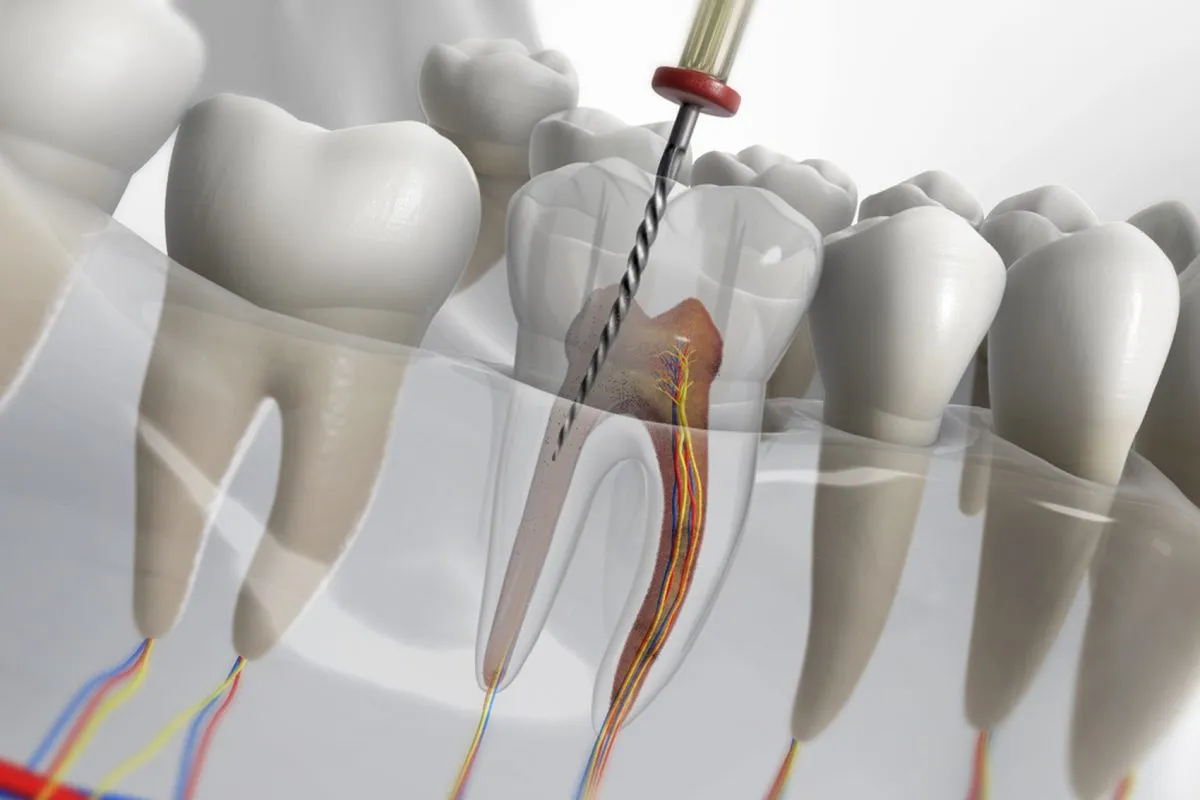
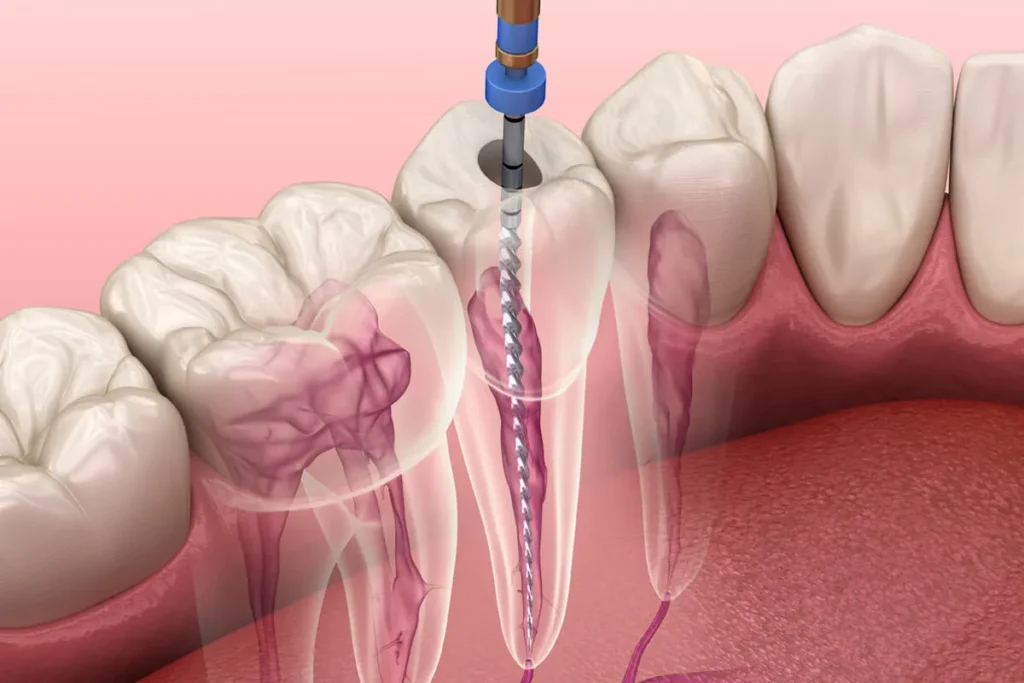
You might feel some pressure during the procedure, but you won’t feel pain thanks to the anesthesia. The dentist will remove the infected pulp, clean the canals, and seal them to prevent infection. This step is key for the treatment’s success.
Anesthesia Effectiveness and Success Rates
Research shows root canals work well, with a 94.4% five-year survival rate in controlled conditions. Good anesthesia is key to keeping you comfortable during the treatment.
Managing Dental Anxiety During Root Canals
Dental anxiety is common, but there are ways to handle it. Your dentist might offer sedation options to help you relax. Knowing what to expect can also reduce your anxiety. Here are some tips:
Discuss your fears with your dentist
Consider sedation dentistry
Listen to calming music or use relaxation techniques during the procedure
Understanding the root canal process and the steps to ensure your comfort can boost your confidence. Modern dental methods and anesthesia make root canals a painless and effective way to save infected teeth.
Recovery and Aftercare Following Root Canal Treatment
After a root canal, knowing how to recover is key for a smooth healing. The recovery phase is as important as the treatment itself. It affects how well the treatment works in the long run.
What to Expect as Anesthesia Wears Off
When the anesthesia fades, you might feel some pain or discomfort. This is normal. It’s important to follow your dentist’s advice on managing pain. This might include taking pain relievers as they suggest.
Also, the treated tooth might feel sensitive to hot or cold. This sensitivity can last a few days. Using a desensitizing toothpaste can help with this.
Long-Term Success Rates of Root Canal Treatments
Root canal treatments work well when done right and with good aftercare. Studies show that local anesthesia might not work for everyone, but with care, a treated tooth can last long.
Knowing what makes a root canal successful helps patients take care of their tooth. Regular dental visits and good oral hygiene are essential for keeping the tooth healthy.
Conclusion
Root canal treatments have come a long way. They now offer a safe and effective way to save natural teeth. Modern techniques and anesthesia make the procedure almost painless, easing discomfort and anxiety.
Anesthesia is key to making root canals comfortable. It numbs the area, so patients don’t feel pain. Sometimes, sedation or general anesthesia is used to help with dental anxiety.
Root canal treatments have a high success rate. This is thanks to advances in dental technology and techniques. They help keep natural teeth, which is good for oral health and overall well-being.
In short, root canal treatment is a reliable way to save teeth. With the right anesthesia and care, patients can get a successful outcome. They can enjoy a healthy and pain-free smile.
FAQ
Do you get anesthesia for a root canal?
Yes, local anesthesia is administered to numb the tooth and surrounding area so you don’t feel pain during the procedure.
Can you be sedated for a root canal?
Yes, some patients can receive sedation options like nitrous oxide (“laughing gas”) or oral sedatives, especially if anxious.
Are you awake during a root canal?
Yes, patients are usually awake under local anesthesia, but you won’t feel pain in the treated tooth.
Do they use anesthesia for root canal?
Yes, local anesthesia is standard for all root canal treatments.
Can you be put under anesthesia for a root canal?
General anesthesia is rarely used, but may be an option for children or patients with extreme anxiety or special medical needs.
Are you awake for a root canal?
Yes, most root canal procedures are performed with you awake and numb from local anesthesia.
Do you need anesthesia for a root canal?
Yes, anesthesia is necessary to ensure the procedure is pain-free and comfortable.
Can you be put to sleep for a root canal?
In uncommon cases, general anesthesia can be used, but it is typically not required for routine root canals.
Do they give you anesthesia for a root canal?
Yes, local anesthesia is routinely given before starting the procedure.
Are you awake for a root canal procedure?
Yes, except in rare cases requiring general anesthesia, you remain awake but numb during the treatment.
Do they knock you out for a root canal?
No, most root canals are done under local anesthesia, so general anesthesia (“knock out”) is rarely needed.
References
National Center for Biotechnology Information. Evidence-Based Medical Insight. Retrieved from https://pmc.ncbi.nlm.nih.gov/articles/PMC12024466/[1