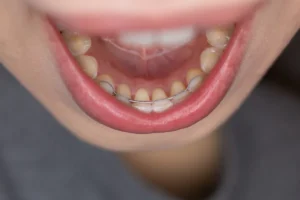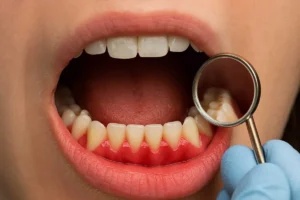



“Wisdom teeth” are the third set of molars that come in between 17 and 25 years old. They were named for coming in late. Our ancestors needed these teeth to chew tough, raw foods.
Exactly why do we get wisdom teeth? Discover amazing best evolutionary facts about these scary molars and top-rated dental growth.
Medical Expert. Brandon Rehrer say wisdom teeth have a rich evolutionary history. Our early ancestors had bigger jaws and needed these extra molars. They helped grind raw meat and tough plants. As our diets changed and jaw sizes got smaller, we didn’t need wisdom teeth as much. Yet, they stayed with us as a leftover trait.
Key Takeaways
Understanding the evolutionary history of wisdom teeth provides insight into their significance.
Wisdom teeth were once essential for grinding tough, uncooked foods.
Changes in human diet and jaw structure have reduced the necessity for wisdom teeth.
Despite their reduced importance, wisdom teeth continue to be a common dental issue.
GoldCity Center offers comprehensive, patient-centered care for dental concerns, including wisdom teeth.
What Are Wisdom Teeth and When Do They Emerge?

Wisdom teeth are the last set of teeth to grow in our mouths. They are also known as third molars. Wisdom teeth have a special place in our dental history and culture.
Definition and Development Timeline
Wisdom teeth start growing in the teenage years. They usually come in between 17 and 25 years old. But, their growth can vary a lot from person to person.
The growth of wisdom teeth is a complex process that can be influenced by genetics and environment. Sometimes, they don’t have enough space to come in right, causing problems.
Naming Origin and Cultural Perspectives
The name “wisdom teeth” comes from the 17th century. It comes from the ancient Greeks, who called them “dentes sapientiae,” or “teeth of wisdom.” This name is because they come in when we are considered adults.
Different cultures see wisdom teeth in different ways. In some, they mark the start of adulthood. This shows how important they are, beyond just their role in our mouths.
Learning about wisdom teeth’s history and culture helps us understand their role in our lives. It gives us a deeper look into human evolution and dental health.
Why Do We Get Wisdom Teeth? The Evolutionary Explanation

Wisdom teeth are linked to our evolutionary history. Our ancestors had different diets and jaw structures than us. This played a big role in the development of these extra molars.
Our Ancestors’ Dietary Needs and Larger Jaws
In the past, humans ate tougher, coarser foods than today. They needed strong teeth and bigger jaws to grind and crush these foods. Wisdom teeth emerged as a response to this need, providing additional grinding capacity. Their jaws were larger to fit these extra teeth, which were key for survival.
Our ancestors’ diet included raw meat, nuts, and uncooked veggies. This diet required more from their teeth. The presence of wisdom teeth helped keep their grinding capacity strong. The additional molars were essential, as the second molars often wore down a lot by the teenage years.
The Function as Replacement Teeth
Wisdom teeth also acted as replacement teeth. When the second molars wore down, wisdom teeth took over the grinding function. This was vital for our ancestors, who needed their teeth to process food. Losing a molar could make it hard for them to eat and survive.
The role of wisdom teeth in our ancestors’ lives was huge. They were key to their oral health and ability to eat. Understanding this helps us see why we get wisdom teeth and their importance in human evolution.
The Mismatch Between Modern Jaws and Ancient Genetics
The human body evolves slowly, often not keeping up with lifestyle and diet changes. This is seen in the mismatch between modern jaw sizes and wisdom teeth development. These changes are mainly due to how we now prepare and eat food.
Changes in Diet and Food Processing
Cooking and advanced food processing have changed how we digest food. Cooking softens food, making it easier to chew and digest. This has reduced the need for large, powerful molars like wisdom teeth.
Over generations, human jaw sizes have decreased. This is because the genetic pressure to maintain large jaws has lessened.
Food processing has been key in this dietary shift. It breaks down food into smaller, softer pieces. This has made robust jaws and teeth less necessary.
This change has been slow, happening over thousands of years. It has led to a situation where wisdom teeth seem almost unnecessary.
Smaller Modern Jaws vs. Persistent Genetic Programming
Despite smaller jaws, the genetic instructions for wisdom teeth have stayed the same. This shows how slow human evolution is. The human genome follows an old blueprint, leading to wisdom teeth development, even when they’re not needed.
This mismatch can cause problems, like impacted wisdom teeth. These can be painful and may need surgery. Understanding this can help us better grasp modern oral health issues.
Conclusion: The Future of Wisdom Teeth in Human Evolution
Understanding why we develop wisdom teeth gives us insights into human biology. Their emergence is tied to our ancestors’ diet and genetics.
Some scientists think wisdom teeth might disappear as we evolve. Our diet and food processing have changed, making them less necessary. They are now seen as vestigial structures.
Do we need wisdom teeth today? They were once vital but now can cause oral health problems. Knowing our evolutionary history helps us understand human health better.
Exploring why people have wisdom teeth is key to understanding human evolution. The future of wisdom teeth will likely be shaped by evolution. They might eventually disappear.
FAQ
Why do we have wisdom teeth?
Wisdom teeth are third molars that our ancestors used to chew tough, raw foods. They were helpful when early humans had larger jaws and more tooth wear.
What are wisdom teeth and when do they emerge?
Wisdom teeth are the last set of molars at the back of the mouth. They usually emerge between the ages of 17 and 25.
Why did our ancestors need wisdom teeth?
Our ancestors needed extra molars to grind coarse foods like roots, nuts, and raw meat. Their larger jaws provided enough space for these additional teeth.
Why do we have wisdom teeth if we don’t need them?
Wisdom teeth remain because of human evolution. Although modern diets are softer and jaws are smaller, the genetic trait for developing third molars still exists.
What happens if wisdom teeth don’t have enough room to grow?
If there isn’t enough space, wisdom teeth can become impacted. This may cause pain, swelling, infection, or crowding of nearby teeth.
Will we eventually stop growing wisdom teeth?
It is possible over many generations. Some people already do not develop wisdom teeth, which suggests gradual evolutionary change.
How have changes in diet and food processing affected the need for wisdom teeth?
Modern diets consist of softer, processed foods that require less chewing. This has led to smaller jaw sizes over time, reducing the need for extra molars.
Why do some people not develop wisdom teeth?
Some people are genetically predisposed to not develop one or more wisdom teeth. This variation is considered a normal evolutionary adaptation.
References
National Center for Biotechnology Information. Evidence-Based Medical Insight. Retrieved from https://pubmed.ncbi.nlm.nih.gov/17132129/