



Dental amalgam has been a key part of dentistry for over 150 years. It’s known for its durability and cost. But, worries about its mercury content have raised questions. At GoldCity Center, we focus on safe, patient-focused care to address these concerns.
It’s important to know about dental amalgam. It’s made of metals, with about 50% mercury mixed with silver, tin, copper, and sometimes zinc or palladium. Health groups around the world say dental amalgam is safe. But, there are newer options that fit what each person needs and wants.
Key Takeaways
Dental amalgam is a durable and cost-effective solution for tooth decay.
It contains approximately 50% mercury bound to other metals.
Major health organizations recognize dental amalgam as safe.
Modern alternatives offer personalized choices.
Understanding dental amalgam’s characteristics is key for making informed choices.
Understanding Dental Amalgam and Metal Fillings
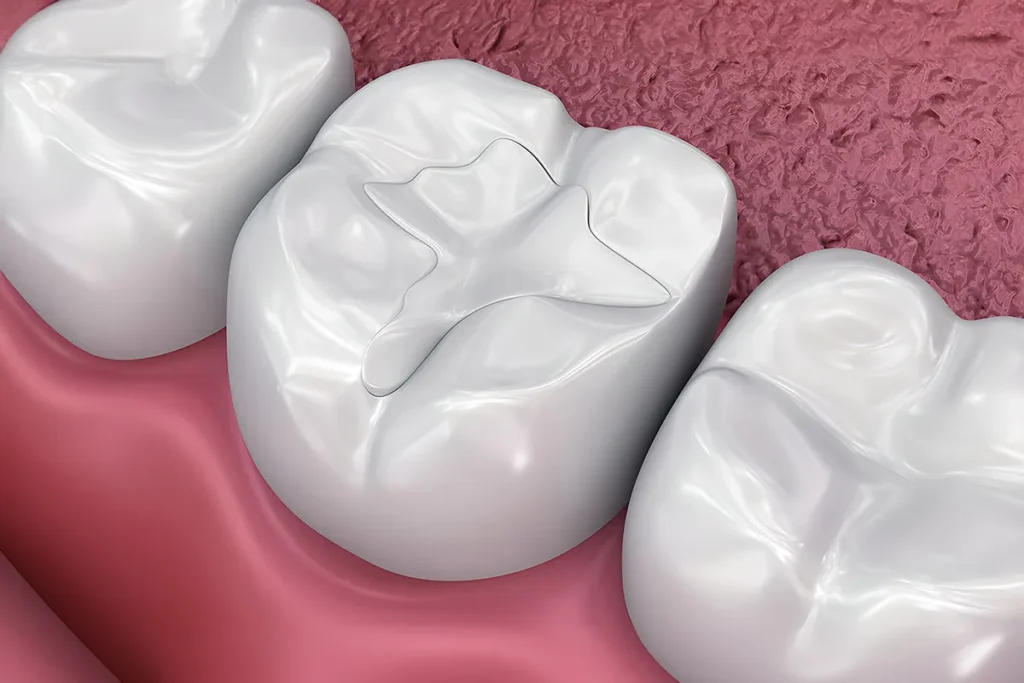
Dental amalgam has been used for over 150 years to fill cavities. It’s known for its effectiveness and durability. This material has been a key part of dentistry for a long time.
What Is Dental Amalgam?
Dental amalgam, also known as silver filling, is a mix of metals used for cavities. It has about 50% elemental mercury and a powdered alloy of silver, tin, and copper. This mix makes a strong, long-lasting filling that can handle chewing forces.
The 50% Mercury Composition
The mercury in dental amalgam has raised safety concerns. Mercury helps bind the metals together, making the filling strong and lasting. The U.S. FDA says there’s insufficient evidence to link mercury from dental amalgam to health problems.
150+ Years of Dental History
Dental amalgam has a long history in dentistry, starting in the early 19th century. It was a big step forward in treating tooth decay, being more durable than earlier materials. It’s stayed popular because of its durability, cost-effectiveness, and ease of use.
Dental amalgam fillings can last for decades with proper care. This makes them a good choice for those seeking a long-term fix for tooth decay.
5 Key Facts About Metal Fillings
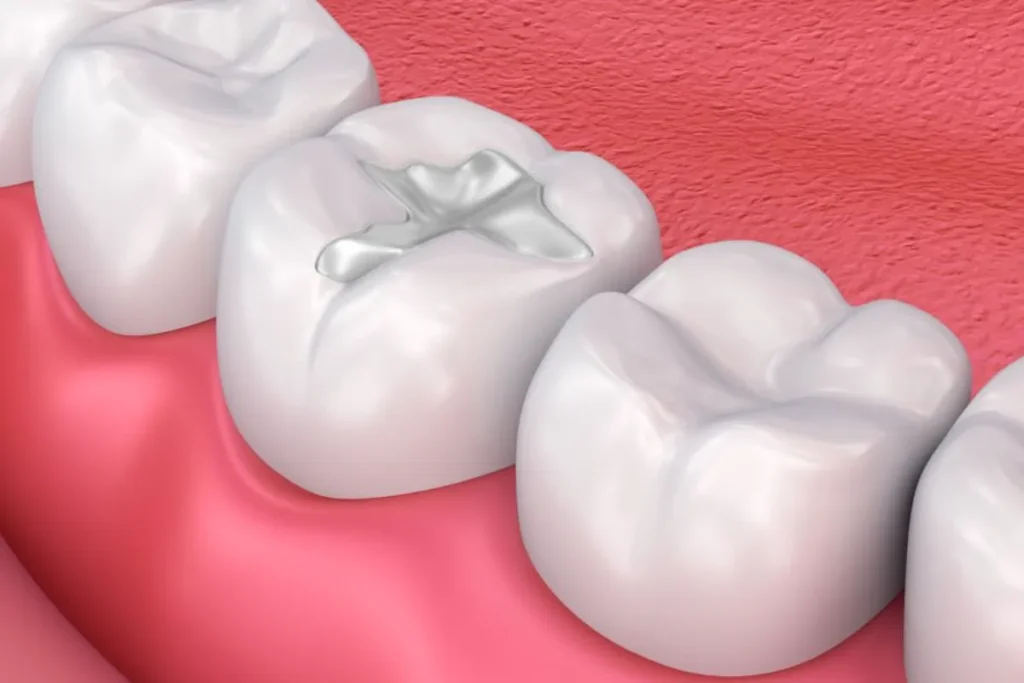
Learning about metal fillings can help you choose the best for your teeth. These fillings, also called amalgam fillings, have been used in dentistry for over a century.
Fact 1: Safety According to Health Organizations
Health groups like the American Dental Association (ADA) and the FDA say dental amalgam is safe. They have checked the safety of metal fillings many times. They are a good choice for fixing teeth.
Fact 2: Mercury Exposure Levels
Some worry about mercury exposure from metal fillings. But, research shows the mercury levels from these fillings are safe. They are within the safe range each day.
Fact 3: Durability Compared to Alternatives
Metal fillings are very durabale. They can last for years, longer than other fillings like composite resin. This makes them a smart choice, even if they don’t look as good at first.
Fact 4: Cost-Effectiveness
Metal fillings are also cost-effective. They cost less than other options, which is good for people who need a lot of dental work.
In summary, metal fillings have many benefits. They are safe, last long, and are affordable. Knowing these facts can help you make better choices for your teeth.
Comparing Amalgam to Modern Alternatives
Today, dentistry offers many filling options beyond traditional amalgam. These choices meet different patient needs and tastes. The decision between amalgam and newer options like composite resin, ceramic, and glass ionomer fillings depends on several factors. These include how long they last, how they look, and safety concerns.
Resin Composite Fillings
Resin composite fillings are made from a tooth-colored material that looks like enamel. They are a top pick for visible teeth because they look natural. These fillings are versatile and can be used for both front and back teeth. They also need less tooth removal than amalgam fillings, making them less invasive.
The benefits of resin composite fillings include:
Bonding to the tooth structure, which helps in distributing the forces of chewing more evenly
Potential for reduced sensitivity post-procedure
Aesthetically pleasing, as they match the color of natural teeth
Ceramic and Glass Ionomer Options
Ceramic fillings are made from porcelain and are known for their durability and resistance to staining. They are more aesthetically pleasing and can be used for larger fillings. Glass ionomer fillings, on the other hand, release fluoride, which can help prevent further decay. They are often used for fillings below the gum line or for patients with a high risk of caries.
The benefits of ceramic and glass ionomer fillings include:
Ceramic fillings are highly resistant to abrasion and can last for many years
Glass ionomer fillings provide the added benefit of fluoride release, helping to protect the tooth from further decay
When to Choose Each Type of Filling
The choice between amalgam, composite resin, ceramic, and glass ionomer fillings depends on the specific needs of the patient. Factors to consider include the location of the tooth, the extent of the decay, aesthetic preferences, and budget.
Key considerations for choosing a filling type:
For visible teeth, tooth-colored fillings like composite resin or ceramic are often preferred for their aesthetic appeal
For molars and teeth that bear heavy chewing forces, amalgam or ceramic fillings may be more suitable due to their durability
For patients with a high risk of caries, glass ionomer fillings may be recommended due to their fluoride-releasing properties
Conclusion: Weighing Your Dental Filling Options
Choosing dental fillings involves many factors like looks, cost, and how long they last. It’s important to know the differences between amalgam and composite fillings. This helps you make a smart choice.
The debate between amalgam and composite fillings has been going on for a while. Amalgam fillings, or metal fillings, have been around for over 150 years. They are durable and affordable. Composite fillings, on the other hand, look more natural and blend in with your teeth.
Think about what matters most to you when picking dental fillings. If you want something that lasts long and is cheap, go for amalgam. But if you care more about how it looks, composite might be better. Always talk to a dentist to find the best option for you.
The choice between metal and amalgam fillings depends on many things. Your oral health, budget, and what you prefer are key. By considering these, you can pick the right option for you.
FAQ
What is dental amalgam?
Dental amalgam is a filling used for cavities. It’s made of metals like mercury, silver, tin, and copper. Mercury makes up about 50% of it.
Is dental amalgam safe?
Health groups like the American Dental Association and World Health Organization say it’s safe for most. But, some worry about mercury’s effects.
How long do amalgam fillings last?
Amalgam fillings can last 10 to 15 years with good care. They’re strong and less likely to wear out than some other fillings.
What are the alternatives to amalgam fillings?
Options include resin composite, ceramic, and glass ionomer fillings. They offer benefits like looking better, releasing fluoride, and being safer for your body.
How do I choose between amalgam and alternative fillings?
Your choice depends on the cavity’s size and location, how it looks, and what you prefer. Talk to your dentist to find the best one for you.
Are amalgam fillings cost-effective?
Yes, they’re often cheaper than other fillings. They’re also long-lasting, making them a good value.
What is the mercury exposure level from amalgam fillings?
Mercury exposure from them is usually low. But, some people might be more sensitive. Mercury vapor can come out when you chew or grind.
Can I remove my amalgam fillings?
You can remove them, but it’s not usually recommended. It’s best to do it only if there’s decay or damage. Removing them can release mercury vapor, so talk to your dentist first.
Are there any health risks associated with amalgam fillings?
Some worry about mercury toxicity from them. But, many health groups say they’re safe for most people.
How do I care for my amalgam fillings?
Take care of them by brushing, flossing, and seeing your dentist regularly. Avoid biting hard objects to prevent damage.
National Center for Biotechnology Information. Evidence-Based Medical Insight. Retrieved from https://pubmed.ncbi.nlm.nih.gov/16966101/