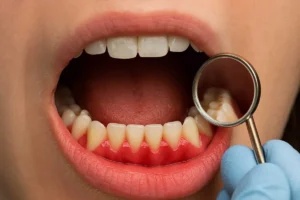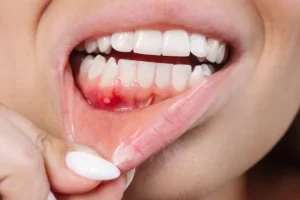

Pericoronitis is a painful gum inflammation around wisdom teeth, hitting about 81% of 20-somethings. It’s often caused by impacted teeth, crowded mouths, or gum swelling and infection. You can manage mild to moderate pain at home, but knowing what it is helps a lot.
Effective home remedies can really help. They can ease your pain and prevent bigger problems. The right steps can make a big difference.
Key Takeaways
Pericoronitis affects a significant portion of young adults.
Mild to moderate symptoms can be managed at home.
Understanding the condition is key for relief.
Home remedies can offer a lot of relief.
Severe cases might need a dentist’s help.
Understanding Pericoronitis: Causes and Symptoms
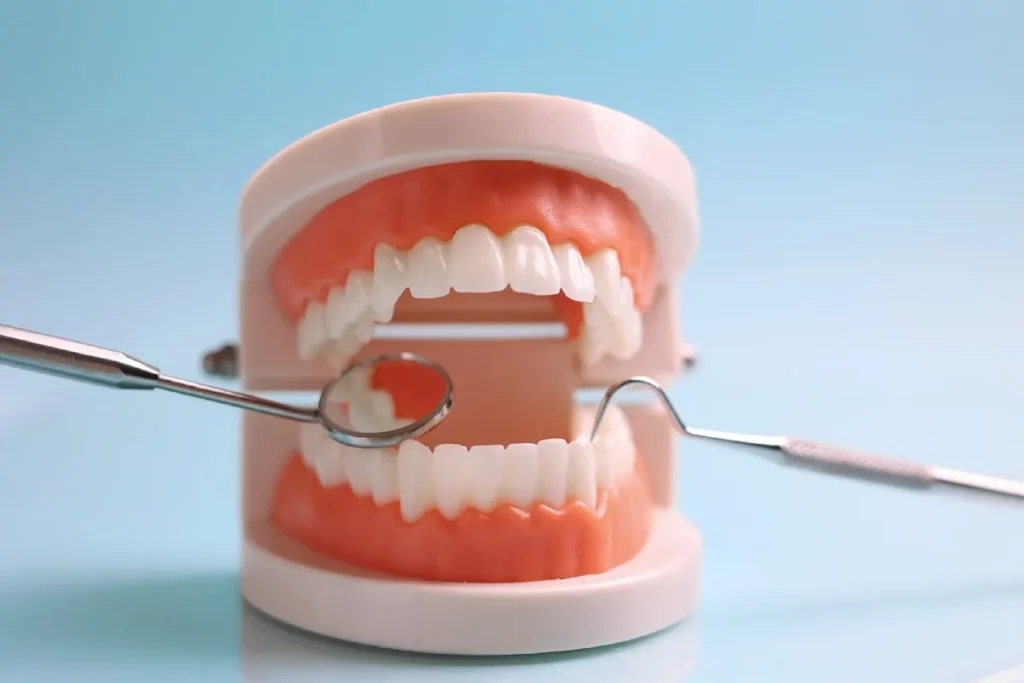
Pericoronitis is a condition that causes pain and swelling in the gums. It affects the gum tissue around a molar, leading to discomfort.
What Is Pericoronitis?
Pericoronitis is an inflammatory condition. It happens when the gum tissue around a molar, like a wisdom tooth, gets irritated or infected. This can be either acute or chronic.
Maintaining good oral hygiene is key to prevent bacteria and debris buildup. This buildup can lead to pericoronitis.
Common Symptoms to Recognize
The symptoms of pericoronitis include pain, swelling, bad breath, and difficulty eating. Recognizing these symptoms early is important to avoid complications.
Pain and swelling in the gum tissue
Bad breath or an unpleasant taste
Difficulty opening the mouth or swallowing
Fever or a general feeling of being unwell
How Long Does Pericoronitis Last?
The length of time pericoronitis lasts varies. Mild cases might clear up in three to four days. More severe cases can take up to two weeks.
If not treated, pericoronitis can cause serious complications, like infection. It’s important to catch the symptoms early and take action to manage the condition.
How to Get Rid of Pericoronitis with Natural Remedies
Natural remedies are a gentle way to fight pericoronitis at home. They help ease symptoms and heal without harsh chemicals or drugs.
1. Warm Saltwater Rinses
Warm saltwater rinses are a simple and effective home remedy for pericoronitis. Saltwater acts as a natural antiseptic, fighting bacteria and reducing swelling. To make the rinse, mix 1/2 teaspoon of salt in 8 ounces of warm water.
Swish the solution around your mouth for 30 seconds before spitting it out. Do this 2-3 times a day to help heal and reduce swelling.
2. Cold Compress Application
A cold compress can ease pain and swelling from pericoronitis. To use, wrap ice cubes in a clean cloth or use a cold pack. Place the compress on the affected area for 15-20 minutes.
Repeat this 3-4 times a day as needed. The cold helps numb the area, giving temporary pain relief.
3. Clove Oil for Pain Relief
Clove oil contains eugenol, a natural painkiller and antiseptic. Mix a few drops with a carrier oil like coconut or olive oil. Apply it to the affected area with a cotton swab.
Do this 2-3 times a day. Clove oil’s pain-relieving properties offer temporary relief.
4. Hydrogen Peroxide Solution
A hydrogen peroxide solution can fight bacterial infection and aid healing. Mix equal parts hydrogen peroxide and water and swish it in your mouth for 30 seconds before spitting it out. Be careful not to swallow it.
Repeat this 1-2 times a day. Hydrogen peroxide’s antibacterial properties help prevent infection.
These natural remedies can help with pericoronitis symptoms. But, if symptoms don’t get better or get worse, see a dentist for help.
Additional Home Treatments for Pericoronitis Relief
To help with pericoronitis recovery, there are extra home treatments you can try. These can make symptoms better and help the healing.
Over-the-Counter Pain Medications
OTC pain meds are key in fighting pericoronitis pain and swelling. Ibuprofen and acetaminophen are top picks. Ibuprofen is great for its anti-inflammatory effects, which can lessen swelling and pain.
Dosage Instructions: Always follow the label or your doctor’s advice.
Benefits: They offer pain relief, reduce swelling, and are easy to get without a prescription.
Proper Oral Hygiene Techniques
Good oral care is essential during recovery. Brushing and flossing gently can stop more irritation and infection. Use a soft-bristled toothbrush and be careful around the sore area to avoid more pain.
Dietary Adjustments During Recovery
Changing your diet is important for managing pericoronitis symptoms. Eating soft, nutritious foods can ease discomfort and help your body heal.
Recommended Foods: Yogurt, soups, mashed potatoes, and smoothies.
Foods to Avoid: Hard, crunchy, or spicy foods that can irritate the sore area.
Adding these home treatments to your routine can help manage pericoronitis symptoms and aid in healing.
Conclusion: When to Seek Professional Dental Care
Home remedies can help with mild to moderate pericoronitis. But, knowing when to see a dentist is key. If your symptoms get worse, you might need dental care to avoid serious problems like abscesses.
A dentist can check your condition and suggest the right treatment. This could be deeper cleanings, antibiotics, or even surgery. It’s important to know when to use home remedies and when to see a dentist.
Combining home care with dental visits can help manage pericoronitis. Good oral hygiene and knowing when to seek help are important. This way, you can keep pericoronitis under control and prevent it from coming back.
It’s vital to know when to go to the dentist for pericoronitis. This helps avoid long-term damage and speeds up recovery. If your symptoms are bad or don’t go away, see a dentist for advice on what to do next.
FAQ
What is pericoronitis?
Pericoronitis is an inflammation or infection of the gum tissue surrounding a partially erupted tooth, often a wisdom tooth.
How long does pericoronitis last?
Mild cases may resolve in a few days with proper care, but severe or untreated cases can persist or become chronic.
Can pericoronitis be treated at home?
Mild cases may be temporarily managed with saltwater rinses, good oral hygiene, and over-the-counter pain relievers, but professional care is often needed.
How can I prevent pericoronitis?
Prevent it by maintaining proper oral hygiene, regular dental check-ups, and monitoring partially erupted teeth for signs of gum irritation.
What are the symptoms of pericoronitis?
Symptoms include swollen, tender gums, pain when chewing or opening the mouth, bad breath, difficulty swallowing, and sometimes fever or pus discharge.
Can I use clove oil for pericoronitis pain relief?
Yes, clove oil can provide temporary pain relief due to its mild anesthetic and antibacterial properties, but it does not treat the underlying infection.
When should I seek professional dental care for pericoronitis?
Seek care if you experience severe pain, swelling, fever, difficulty swallowing, or signs of spreading infection.
How can I manage pericoronitis pain?
Use saltwater rinses, over-the-counter pain relievers, cold compresses, and follow your dentist’s recommendations.
Are there any dietary adjustments I can make to help manage pericoronitis?
Eat soft foods, avoid hard or sticky items, and maintain good hydration to reduce irritation and discomfort.
Can pericoronitis recur?
Yes, it can recur, especially if the tooth remains partially erupted or oral hygiene is insufficient, sometimes requiring extraction or flap surgery.
References
National Center for Biotechnology Information. Evidence-Based Medical Insight. Retrieved from https://www.ncbi.nlm.nih.gov/books/NBK576411/