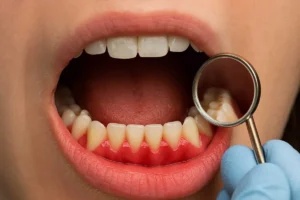



Do your gums feel irritated, swollen, or tender? You’re not alone. Nearly half of all adults face gum discomfort. Many ignore early signs until it’s too late.
At GoldCity Center, we know healthy gums are key to a healthy smile and overall health. Our care combines international standards with compassion to tackle gum irritation early on.
It’s important to know why your gums are irritated and how to fix it. This article will show you 5 ways to get your gums back to health.
Key Takeaways
Understand the causes of irritated gums
Discover effective relief methods for gum discomfort
Learn how to maintain healthy gums
Explore patient-centered approaches for gum care
Regain confidence in your oral health
Understanding the Causes of Gum Irritation

Gum irritation is a common problem that can be very painful. Knowing what causes it is key to preventing and treating it.
Improper Brushing and Flossing Techniques
Brushing too hard or using a toothbrush with stiff bristles can irritate your gums. Dentists often suggest using an electric toothbrush. It applies gentle pressure for about two minutes, helping avoid gum irritation. Also, flossing too hard or wrong can irritate your gums.
Common mistakes include:
Using a toothbrush with hard bristles
Brushing too vigorously
Flossing too aggressively between teeth
Bacterial Plaque and Poor Oral Hygiene
Bacterial plaque and bad oral hygiene are big reasons for gum irritation. If plaque isn’t cleaned off, it can make your gums inflamed and irritated.
By using personalized care routines and expert transparency, you can keep your gums healthy. Regular dental visits are also important to stop gum disease.
5 Effective Relief Methods for Gum Irritation

Gum irritation can be eased with the right methods and treatments. This leads to a healthier, pain-free smile. To relieve irritated gums, use gentle oral care, natural remedies, and sometimes over-the-counter treatments.
Gentle Brushing with Soft-Bristled Toothbrushes
Choosing a soft-bristled toothbrush is key for gentle brushing. Hard-bristled brushes can irritate gums more, causing discomfort and possibly worse gum problems. Switching to a soft-bristled toothbrush can greatly reduce irritation.
Gentle brushing techniques are also important. Brush in circular motions, not back and forth, to lessen irritation. Be extra gentle in areas with irritated gums.
Proper Flossing Methods to Prevent Irritation
Flossing properly is vital for gum care. It removes plaque and food that can irritate gums. To avoid irritation, floss gently and curve the floss around each tooth in a “C” shape.
Using unwaxed floss or interdental floss is better for some, like those with tight teeth. The goal is to be gentle yet thorough to avoid more irritation.
Salt Water Rinses and Natural Remedies
Salt water rinses are a simple yet effective remedy for gum irritation. Mixing warm salt water can reduce swelling and ease pain. Rinsing several times a day can offer significant relief.
Natural remedies like aloe vera and tea tree oil have anti-inflammatory properties. They can soothe irritated gums. But, use them in moderation and talk to a dental professional before adding them to your routine.
Over-the-Counter Anti-inflammatory Products
Over-the-counter anti-inflammatory products can also help. These include mouthwashes and gels that reduce inflammation and pain from gum irritation.
Always follow the product instructions and talk to a dental professional if irritation doesn’t go away. They can help find the best products and treatments for you.
By using these relief methods in your oral care routine, you can get a lot of relief from gum irritation. Good oral hygiene and regular dentist visits are key to preventing future irritation and keeping your smile healthy for life.
Conclusion: When to Seek Professional Dental Care
Gum irritation can be a sign of deeper problems that need a dentist’s help. If you keep getting gum irritation, it’s time to see a dentist. They can find out why your gums are irritated and suggest treatments like cleanings or gum therapy.
Seeing a dentist early is key because gum irritation can get worse. This could lead to serious gum disease like periodontitis. Getting help from a dentist can prevent this and keep your gums healthy.
Going to the dentist regularly is important for your gums. With good oral care, modern dental methods, and professional help, you can keep your smile healthy. This way, you can avoid gum problems and keep your gums in top shape.
FAQ
What causes gum irritation?
Gum irritation can be caused by plaque buildup, poor oral hygiene, aggressive brushing, ill-fitting dental appliances, hormonal changes, or infections.
How can I relieve irritated gums?
Relief can be achieved with gentle brushing, saltwater rinses, using a soft-bristled toothbrush, and avoiding irritating foods or habits.
What are some effective ways to prevent gum irritation?
Prevent gum irritation by brushing twice daily, flossing, using antiseptic mouthwash, maintaining regular dental check-ups, and avoiding tobacco.
When should I seek professional dental care for gum irritation?
See a dentist if irritation persists, there is bleeding, swelling, pain, pus, or if gum discomfort affects eating or daily activities.
How can I maintain healthy gums?
Maintain healthy gums with consistent oral hygiene, regular professional cleanings, a balanced diet, and monitoring for early signs of gum disease.
Are there any natural remedies for gum irritation?
Natural remedies include saltwater rinses, aloe vera gel, clove oil for temporary relief, and green tea rinses for mild inflammation, though these do not replace professional care.
Can over-the-counter products help with gum irritation?
Yes, products like antibacterial mouth rinses, medicated gels, and anti-inflammatory toothpaste can help reduce irritation and promote healing.
References
National Center for Biotechnology Information. Evidence-Based Medical Insight. Retrieved from https://pmc.ncbi.nlm.nih.gov/articles/PMC7136683/[2