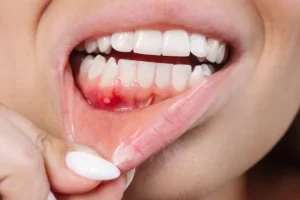



Pericoronitis is an infection that happens when gum tissue around a tooth gets infected. It often affects wisdom teeth, causing pain and serious infections if not treated.
Get pericoronitis treatment for amazing best health. Stop scary gum swelling and find top-rated ways to heal wisdom tooth infections.
Understanding the causes and available treatment options is key for quick relief. At GoldCity Center, patients get trusted dental care and international-standard treatment.
When wisdom teeth don’t fully come out, food and bacteria can get trapped. This leads to infection. Getting professional help is important to avoid more problems and ease pain.
Key Takeaways
Pericoronitis is an infection of the gum tissue surrounding partially erupted teeth.
It commonly affects wisdom teeth and can cause severe pain and infection.
Understanding treatment options is vital for quick relief.
GoldCity Center offers patient-centered dental care and international-standard protocols.
Seeking professional help is key to prevent complications.
Understanding Pericoronitis
Pericoronitis is a common problem with wisdom teeth. It’s a big reason for emergency dental visits, mostly among young adults.
What Is Pericoronitis and Who Gets It?
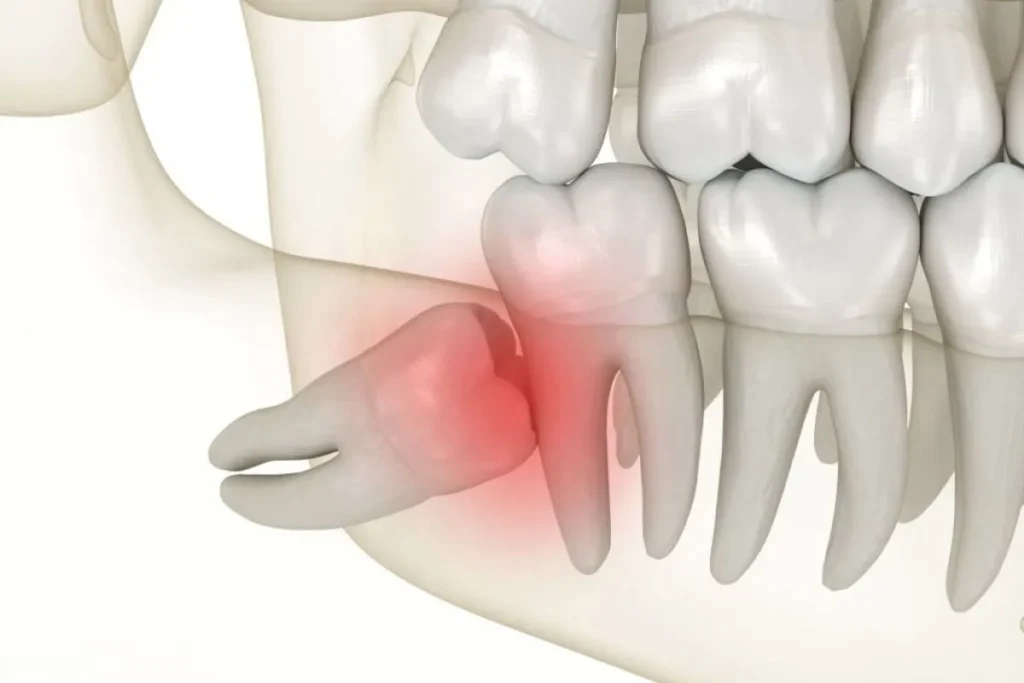
Pericoronitis is an inflammation of the gum tissue around a tooth, often a wisdom tooth. It happens when the tooth can’t fully come out, letting bacteria grow. People aged 20 to 29 are most affected, making up 6 to 9 percent of emergency dental visits each year.
Key factors that contribute to pericoronitis include:
Partially erupted wisdom teeth
Poor oral hygiene
Trauma to the gum tissue
Acute vs. Chronic Pericoronitis
Pericoronitis can be acute or chronic. Acute pericoronitis starts suddenly with pain, swelling, and pus. It needs quick dental care to avoid bigger problems. Chronic pericoronitis is ongoing inflammation that can get worse if not treated.
The Role of the Operculum in Inflammation
The operculum is a gum flap over a tooth. It traps bacteria and debris, causing operculum inflammation. Knowing about the operculum is key to treating pericoronitis, as it might need to be surgically removed.
Understanding pericoronitis helps people get dental care early. This reduces the risk of serious problems and keeps teeth healthy.
Pericoronitis Treatment Options
Pericoronitis treatment depends on how bad the condition is. It can range from simple home remedies to professional dental care. Knowing your options is key to managing the condition well.
Home Remedies for Immediate Relief
For mild pericoronitis, home remedies can help right away. Saltwater rinses can reduce swelling and clean the area. Over-the-counter pain relief can also ease pain.
Professional Dental Interventions
If home remedies don’t work, you’ll need dental help. A dentist can thoroughly clean the area. This removes plaque and bacteria.
In some cases, antibiotics are needed to fight infection. For bad cases, tooth extraction or operculum removal might be suggested.
Antibiotics and Pain Management
Antibiotics are key in treating pericoronitis, mainly for infections. Penicillin or clindamycin are common choices. For pain, ibuprofen or acetaminophen are often advised.
Treatment Based on Severity Levels
The treatment depends on how severe the pericoronitis is. For mild cases, just better oral hygiene and home remedies are needed. Moderate cases might need dental cleaning and antibiotics.
Severe cases might need tooth extraction or operculum removal. Knowing the severity helps pick the best treatment.
Conclusion: Prevention and Long-Term Care
Keeping your mouth clean is key to fighting pericoronitis and stopping it from coming back. Good oral hygiene, antiseptic mouthwash, and dental visits are important. They help prevent ericoronitia or ercoronitis.
Infection pericoronitis can keep coming back if not handled right. Regular dental visits can spot problems early. This lowers the chance of pericoronal issues. Sometimes, surgery is needed to stop future problems.
Knowing what causes pericoronitis and how to prevent it can help. Keeping your teeth and gums healthy is essential. Regular dental care is vital for a pain-free smile.
FAQ
What is pericoronitis?
Pericoronitis is an infection of the gum tissue surrounding a partially erupted tooth, most commonly a wisdom tooth. It occurs when bacteria get trapped under the gum flap.
What are the symptoms of pericoronitis?
Symptoms include pain, swelling, redness around the tooth, difficulty opening the mouth, bad taste or odor, and sometimes fever or swollen lymph nodes.
How is pericoronitis diagnosed?
A dentist diagnoses pericoronitis through a clinical examination, looking for inflammation and infection around the partially erupted tooth, sometimes supported by X-rays.
What is the role of the operculum in pericoronitis?
The operculum is the gum flap covering a partially erupted tooth. Food and bacteria can get trapped under it, leading to infection and pericoronitis.
Can pericoronitis be treated at home?
Mild cases can be temporarily managed at home with warm saltwater rinses, good oral hygiene, and over-the-counter pain relievers, but professional treatment is usually required.
What are the treatment options for pericoronitis?
Treatment may include professional cleaning, removal of trapped food and debris, antibiotics for infection, and in some cases, minor surgery or tooth extraction to prevent recurrence.
How can pericoronitis be prevented?
Maintaining good oral hygiene, regular dental check-ups, and monitoring partially erupted wisdom teeth can help prevent pericoronitis.
Is pericoronitis a recurring condition?
Yes, pericoronitis can recur if the tooth remains partially erupted or if oral hygiene is not maintained.
Can pericoronitis lead to more serious complications?
If untreated, it can spread infection to surrounding tissues, cause difficulty swallowing or breathing, and rarely lead to systemic infection.
Are there any specific antibiotics used to treat pericoronitis?
Dentists may prescribe antibiotics such as amoxicillin or metronidazole, depending on the severity of the infection and the patient’s medical history.
How long does it take to recover from pericoronitis?
With proper treatment, symptoms usually improve within a few days. Complete healing may take one to two weeks, depending on severity and care.
References
Pericoronitis Treatment: Amazing Best Relief
https://www.ncbi.nlm.nih.gov/books/NBK576411/