
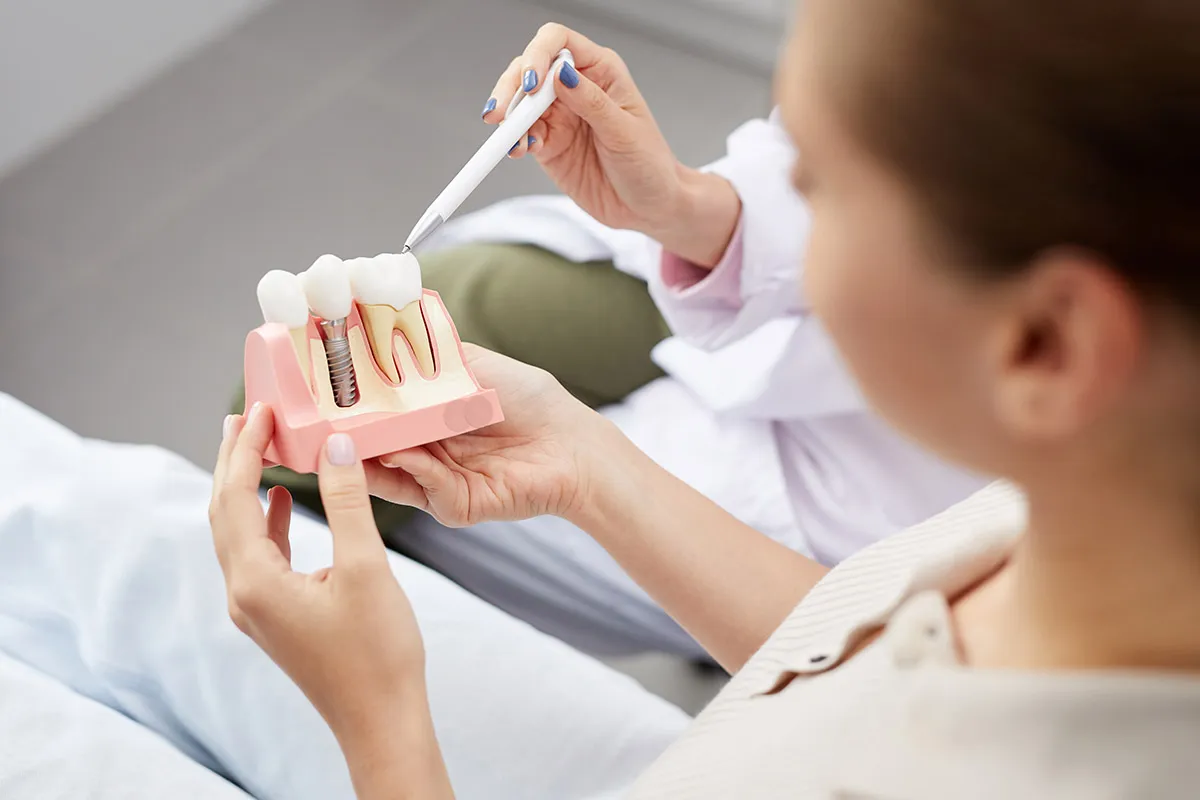
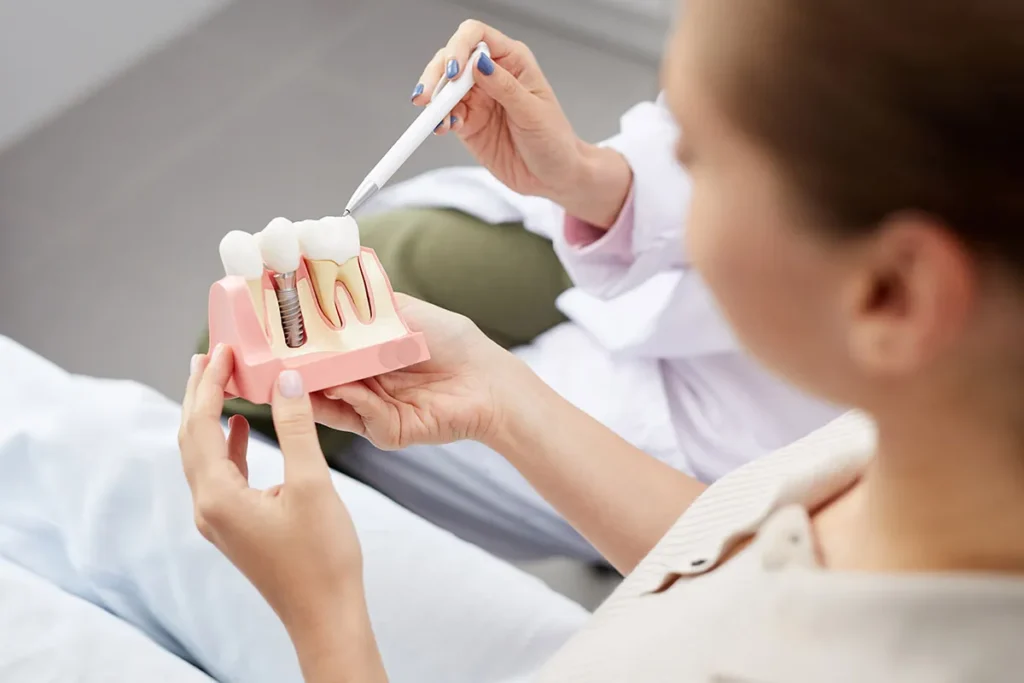
Proper care for dental implants after surgery is key for their long-term success. With a survival rate over 90 percent with proper care, knowing how to care for your implants is important. At GoldCity Center, we offer evidence-based guidance and patient-centered care to help your healing.
Proper aftercare for tooth implant ensures amazing best success. Avoid scary failure and maintain your top-rated, permanent smile.
Following post-operative instructions carefully is vital to avoid complications and ensure implant success. This means taking medications as directed, avoiding certain foods, and keeping your mouth clean. By doing this, you can regain your confidence with a healthy and thriving implant.
Key Takeaways
Proper aftercare is essential for the long-term success of dental implants.
Following post-operative instructions minimizes the risk of complications.
Good oral hygiene is key for a healthy implant.
GoldCity Center provides personalized care and guidance for patients.
Careful adherence to post-operative care promotes implant success.
Understanding the Dental Implant Recovery Process
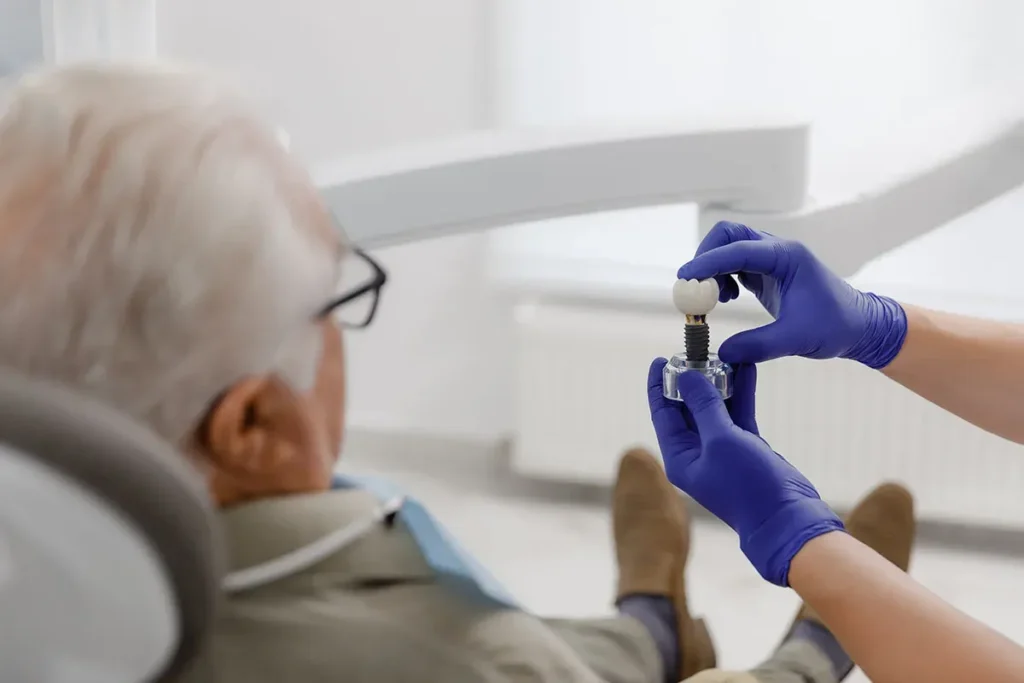
The journey to a fully integrated dental implant starts with recovery. After surgery, the body’s healing is key to success. Knowing what to expect helps ensure a smooth recovery.
What to Expect in the First 4 Days
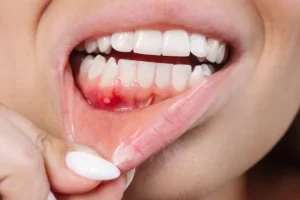
In the first days, patients might feel swelling, bleeding, and discomfort. Managing these symptoms is important for comfort. It’s advised to eat soft foods, avoid hard activities, and keep teeth clean to avoid problems.
The Critical Initial Healing Phase (1-2 Weeks)
The first two weeks are vital for healing. The body starts to heal around the implant. Proper care after implant surgery is essential. Continue with a soft diet and good oral hygiene.
The Complete Osseointegration Timeline (3-6 Months)
Osseointegration, where the implant bonds with the jawbone, is essential for success. This process takes 3 to 6 months. It depends on health and surgery complexity. Knowing this timeline helps with full recovery planning.
Essential Aftercare for Tooth Implant Success
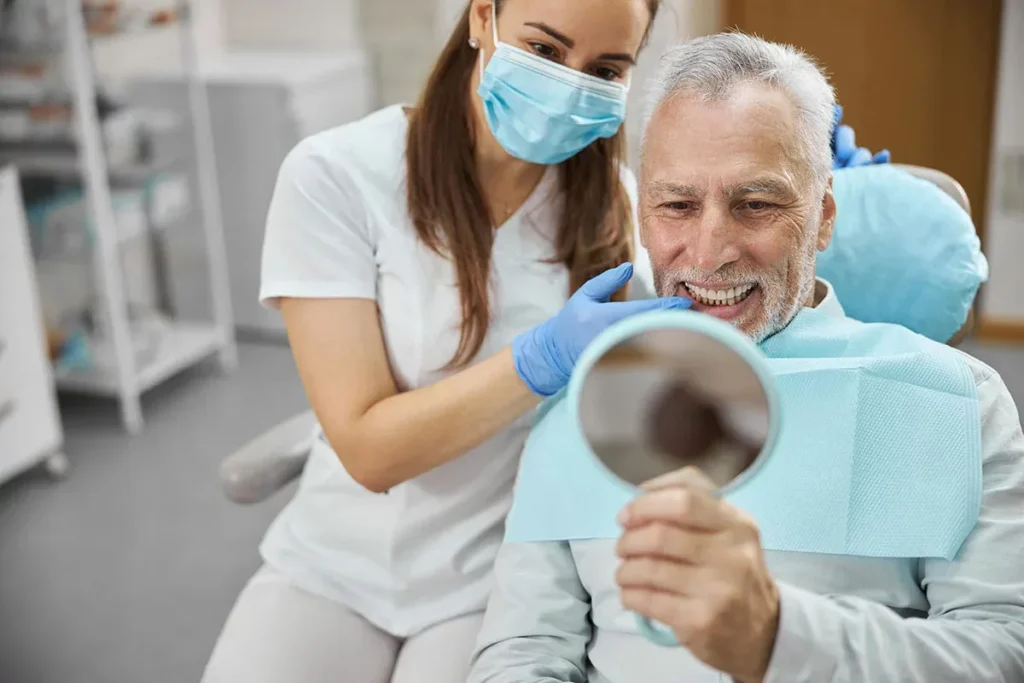
Proper aftercare is key for dental implant success. It lowers the risk of problems. Good care helps the implant heal well and last longer.
Managing Pain, Bleeding and Swelling
It’s important to manage pain, bleeding, and swelling early on. Your dentist will give you a pain plan. Using ice packs can lessen swelling. Gentle biting on gauze helps stop bleeding.
Take the pain medicine as told
Apply ice packs to reduce swelling
Bite gently on gauze to control bleeding
Proper Brushing and Flossing Techniques
Good oral hygiene is essential without harming the implant. Gentle brushing with a soft toothbrush and antibacterial mouthwash prevent infections.
Brush gently around the implant site
Use antibacterial mouthwash
Floss carefully to avoid irritating the implant
Food and Drink Guidelines
Follow dietary guidelines to help the implant heal. Eat soft foods and avoid hot, spicy, or hard foods that might irritate the site.
Physical Activity Restrictions
Avoid strenuous physical activities for a few days after surgery. Rest is important for healing.
Avoid heavy lifting
Refrain from strenuous exercise
Rest adequately
By sticking to these aftercare tips, patients can improve their dental implant’s success and recovery.
Long-Term Dental Implant Maintenance
Keeping your dental implants in good shape is key to their long life and your oral health. The right care makes sure they work well and stay healthy for many years.
Recommended Cleaning Tools and Products
Choosing the right cleaning tools and products is important for your implants. Gentle brushing with a soft-bristled toothbrush and non-abrasive toothpaste is best. Use interdental brushes or floss made for implants to clean tough spots.
Regular Professional Check-ups
Seeing your dentist regularly is a must. It helps check your implants and the tissues around them. These visits also include professional cleanings and catching problems early.
Recognizing Warning Signs of Complications
Knowing the signs of trouble, like pain, swelling, or a loose implant, is important. If you notice any, call your dentist right away.
Lifestyle Factors Affecting Implant Longevity
Things like smoking can hurt your implants’ life span. Quitting smoking and keeping up with good oral care are vital for your implants’ success.
Ensuring Long-Term Dental Implant Success
Proper care after implant surgery is key for long-term success. By following the guidelines from before, you can enjoy your dental implants for years. Good care includes aftercare, maintenance, and a healthy lifestyle.
After getting a dental implant, keep up with oral hygiene and see your dentist regularly. This helps avoid problems and keeps your implants working well. With the right care, your implants will stay healthy and improve your life.
FAQ
What should I eat after dental implant surgery?
After surgery, stick to soft foods like yogurt, mashed potatoes, smoothies, and soups. Avoid hard, crunchy, spicy, or very hot foods for the first few days to protect the healing area.
How do I manage pain after dental implant surgery?
You can manage pain with prescribed or over-the-counter pain relievers as advised by your dentist. Applying a cold compress during the first 24 hours can also help reduce swelling and discomfort.
How long does it take for dental implants to heal?
Initial healing usually takes 1–2 weeks, but full healing and bone fusion can take 3–6 months. Healing time varies depending on your overall health and bone condition.
Can I smoke after dental implant surgery?
Smoking is strongly discouraged after implant surgery. It can delay healing, increase infection risk, and raise the chances of implant failure.
How do I clean my dental implants?
Brush twice daily with a soft-bristled toothbrush and use non-abrasive toothpaste. Floss daily and consider using an antibacterial mouthwash if recommended by your dentist.
What are the signs of complications with dental implants?
Signs may include severe pain, prolonged swelling, bleeding, pus, implant movement, or fever. If you notice any of these symptoms, contact your dentist immediately.
How often should I have check-ups for my dental implants?
Regular dental visits every six months are generally recommended. Your dentist may suggest more frequent check-ups based on your individual needs.
Can I exercise after dental implant surgery?
Light activity is usually fine after a day or two, but avoid intense exercise for at least 48–72 hours. Heavy physical activity can increase bleeding and swelling.
Are there any specific products I should use for dental implant care?
Use a soft toothbrush, low-abrasive toothpaste, and floss designed for implants if advised. Your dentist may also recommend an antimicrobial mouth rinse.
How long do dental implants last?
With proper care and regular dental check-ups, dental implants can last 15–25 years or even a lifetime in many cases.
References
https://pmc.ncbi.nlm.nih.gov/articles/PMC4897104/