


Local anesthesia in dentistry is key for painless dental work. It involves injecting anesthetic near nerves in the mouth. This blocks pain signals temporarily.
Discover dental numbing for amazing best comfort. Stop scary needle anxiety and enjoy a top-rated, painless experience at the dentist.
Dental experts say local anesthesia numbs specific mouth areas during treatments. Knowing the right injection sites and methods is important. It ensures a smooth procedure and keeps patients comfortable.
The success of dental local anesthesia relies on choosing the right injection spot and technique. Modern dentistry focuses on pain-free care. GoldCity Center uses the newest methods to ensure this.
Key Takeaways
Local anesthesia is essential for painless dental treatments.
Understanding injection sites and techniques is critical for success.
Modern techniques prioritize patient comfort and pain-free experiences.
GoldCity Center is dedicated to the latest local anesthesia methods.
Precise injection site selection is vital for effective anesthesia.
Understanding Dental Numbing: Principles and Agents
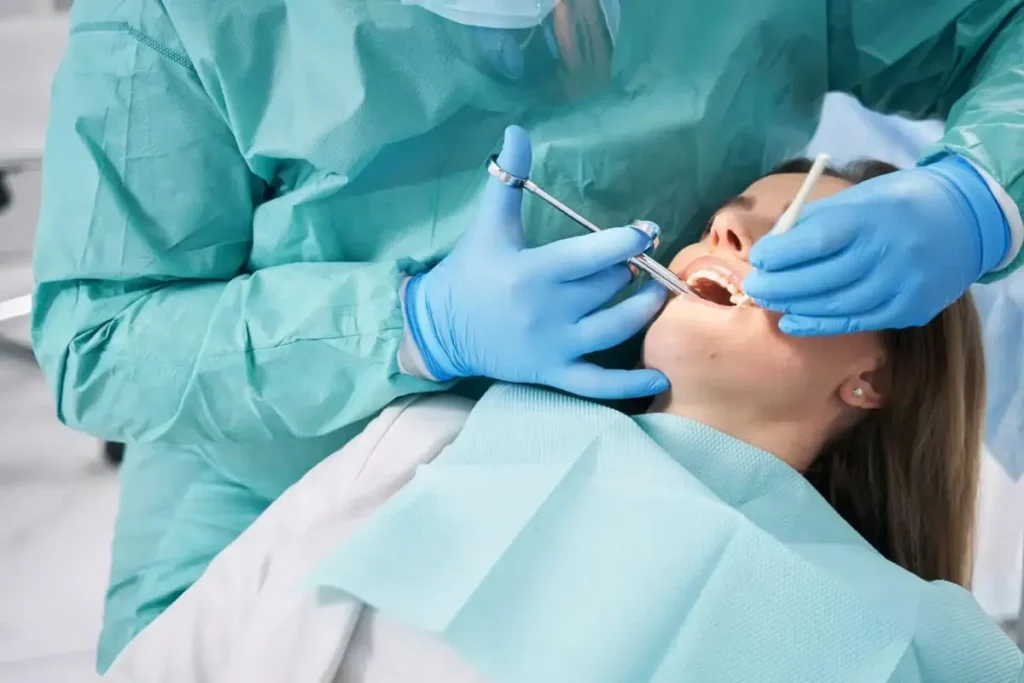
Dental professionals need to know how dental numbing works. This knowledge helps them give safe and effective anesthesia. Local anesthetic agents are key in dentistry, making procedures pain-free and improving patient comfort.
How Local Anesthesia Works in Dentistry
Local anesthesia blocks nerve impulses, numbing the area for dental work. Lidocaine and articaine are top choices in dentistry. They stop sodium ions from entering nerve cells, preventing nerve impulses.
The right local anesthetic depends on the procedure, patient history, and dentist preference. Lidocaine is often the first choice because it’s safe and effective.
Common Anesthetic Agents: Lidocaine and Articaine
Lidocaine has been a top pick for decades. It works fast, lasts a good while, and is generally safe. Studies show it’s the safest and most effective for common dental work.
Articaine became popular in 1969 for its better spread in the jaw area. Its unique features make it a favorite among dentists.
Both lidocaine and articaine are good for dental anesthesia. The choice depends on the procedure and the patient’s needs.
Maxillary Injection Sites and Techniques

Dental work in the upper jaw often uses infiltration techniques instead of nerve blocks. This is because of the area’s complex anatomy. Local infiltration is used to numb the maxillary arch by injecting anesthetic under the oral mucosa.
Infiltration Techniques for the Upper Jaw
Infiltration anesthesia is a common method for numbing the maxillary region. A web source says, “Supraperiosteal infiltration anesthetizes single teeth and is used to anesthetize maxillary teeth in adults and any tooth in children.” This method involves injecting anesthetic around the tooth.
The success of infiltration techniques can change based on the location in the maxillary arch. For example, the canine area might need a different method than the molar area. This is because of the anatomy and nerve supply differences.
Anesthetizing Specific Maxillary Regions
Understanding the local anatomy is key when anesthetizing specific maxillary areas. The buccal infiltration technique is often used for maxillary teeth procedures.
By learning these techniques and knowing what each region needs, dental professionals can manage pain effectively for their patients.
Mandibular Injection Sites and Techniques
Administering local anesthesia to the mandible needs precise techniques and a deep understanding of the anatomy. The inferior alveolar nerve block (IANB) is a common anesthetic method in dental practice. It’s used for procedures on the mandibular teeth and their supporting structures.
Mental and Incisive Nerve Blocks
Mental and incisive nerve blocks give effective anesthesia to premolars, canines, incisors, and their periodontium. These blocks are great for procedures in the anterior region of the mandible.
Indications for Mental and Incisive Nerve Blocks:
Procedures involving the anterior teeth and their supporting structures
Anesthesia for restorative dentistry, such as fillings and crowns
Pain management for surgical extractions or biopsies
As noted by a dental expert,
Buccal vs. Lingual Infiltration Approaches
Both buccal and lingual infiltration approaches have their uses in mandibular anesthesia. Knowing the differences between these techniques is key for effective pain management.
Buccal infiltration is used for procedures needing anesthesia of the buccal mucosa and the teeth. Lingual infiltration targets the lingual aspect of the mandible. It provides anesthesia to the floor of the mouth and the lingual gingiva.
The choice between buccal and lingual infiltration depends on the dental procedure’s needs, the patient’s anatomy, and the clinician’s preference.
Conclusion
Administering dental local anesthesia needs care and precision. This ensures patient comfort and safety. Knowing the dental anesthetic injection sites and techniques is key for managing pain during dental work.
The right dental anesthesia injection and method depend on the procedure and patient needs. By learning local anesthesia for dentistry, dental experts can make dental visits more comfortable for patients.
Getting proper training and experience is vital for safely giving dental anesthetic injections. Dental professionals must know the risks and complications of local anesthesia. This helps avoid bad effects.
By knowing dental anesthetic injection sites and using the right technique, dental experts can manage pain well. This makes dental visits better for patients.
FAQ
What is the purpose of local anesthesia in dentistry?
Local anesthesia is used to numb a specific area of the mouth so dental procedures can be performed without causing pain. It allows patients to remain awake and comfortable while the dentist works on teeth or gums.
How does local anesthesia work in dentistry?
Local anesthetics block nerve signals by preventing sodium ions from passing through nerve cell membranes. This stops pain signals from reaching the brain, temporarily eliminating sensation in the targeted area.
What are the most commonly used local anesthetic agents in dentistry?
The most commonly used agents include lidocaine, articaine, mepivacaine, prilocaine, and bupivacaine. Lidocaine is the most widely used due to its rapid onset, effectiveness, and safety profile.
What is the difference between infiltration and block anesthesia?
Infiltration anesthesia numbs a small, specific area near the injection site, while block anesthesia numbs a larger region by targeting a main nerve before it branches out. Block anesthesia is often used in the lower jaw where the bone is denser.
How is maxillary anesthesia typically administered?
Maxillary anesthesia is usually given through local infiltration because the upper jawbone is more porous. The anesthetic diffuses through the bone to numb the surrounding teeth and tissues effectively.
What are the challenges of anesthetizing the mandibular region?
The mandibular bone is dense, which makes simple infiltration less effective. Dentists often use inferior alveolar nerve blocks or other mandibular nerve techniques, which require precise placement to ensure complete anesthesia.
What is the significance of understanding different injection sites and techniques in dental local anesthesia?
Knowing the correct injection sites and techniques ensures effective pain control and minimizes complications. Proper technique improves patient comfort, reduces the risk of nerve injury, and increases the success of dental procedures.
Are there any potentially harmful effects of dental local anesthesia?
Most side effects are mild, such as temporary numbness, soreness, or slight swelling at the injection site. Rarely, allergic reactions, prolonged numbness, or nerve injury can occur.
How can patients prepare for dental procedures involving local anesthesia?
Patients should inform their dentist about medical conditions, medications, and allergies. Eating a light meal beforehand and following any pre-procedure instructions can help reduce dizziness or discomfort during the procedure.
What is the role of buccal infiltration in dental anesthesia?
Buccal infiltration involves injecting anesthetic into the cheek-side tissues near a tooth to numb that specific area. It is commonly used for upper teeth and as a supplement to nerve blocks when needed.
How does the choice of anesthetic agent affect the outcome of dental procedures?
Different anesthetic agents vary in onset time, duration, and potency. Choosing the right agent ensures adequate anesthesia for the procedure, controls post-operative discomfort, and accounts for patient health considerations.
References
National Center for Biotechnology Information. Evidence-Based Medical Insight. Retrieved from https://www.ncbi.nlm.nih.gov/books/NBK580480/