
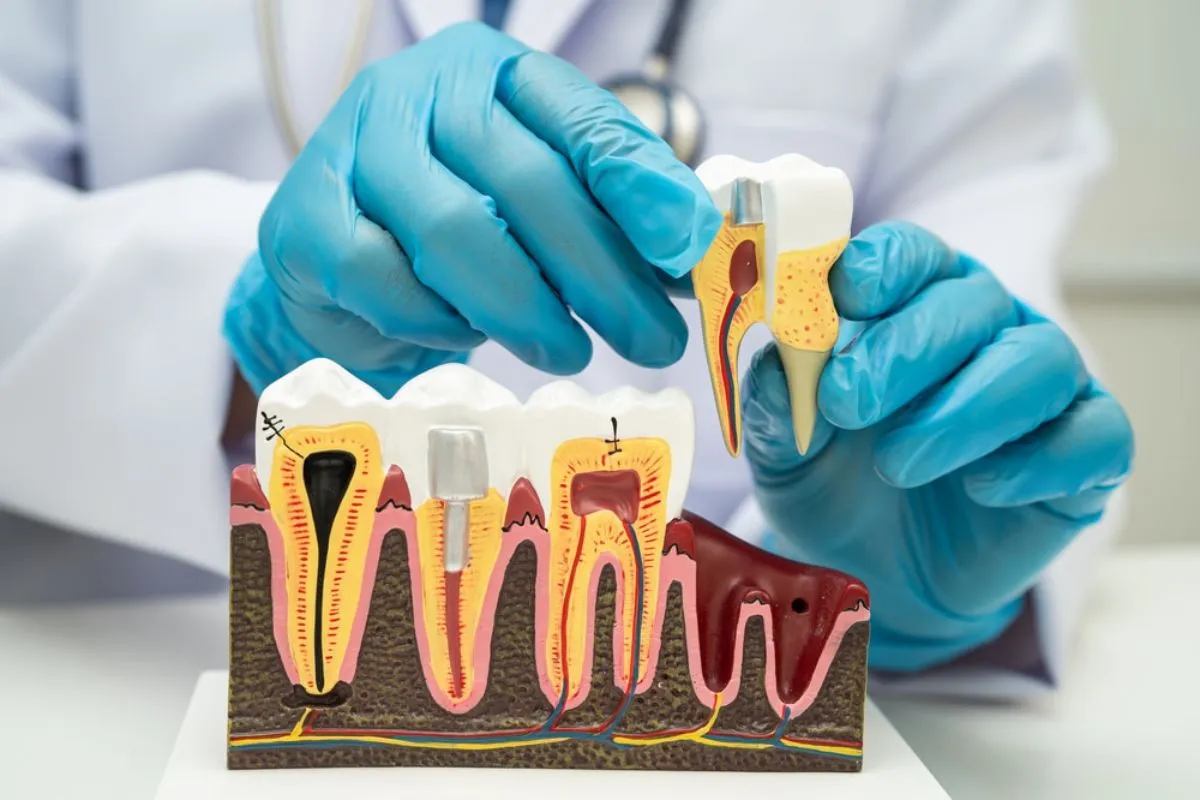
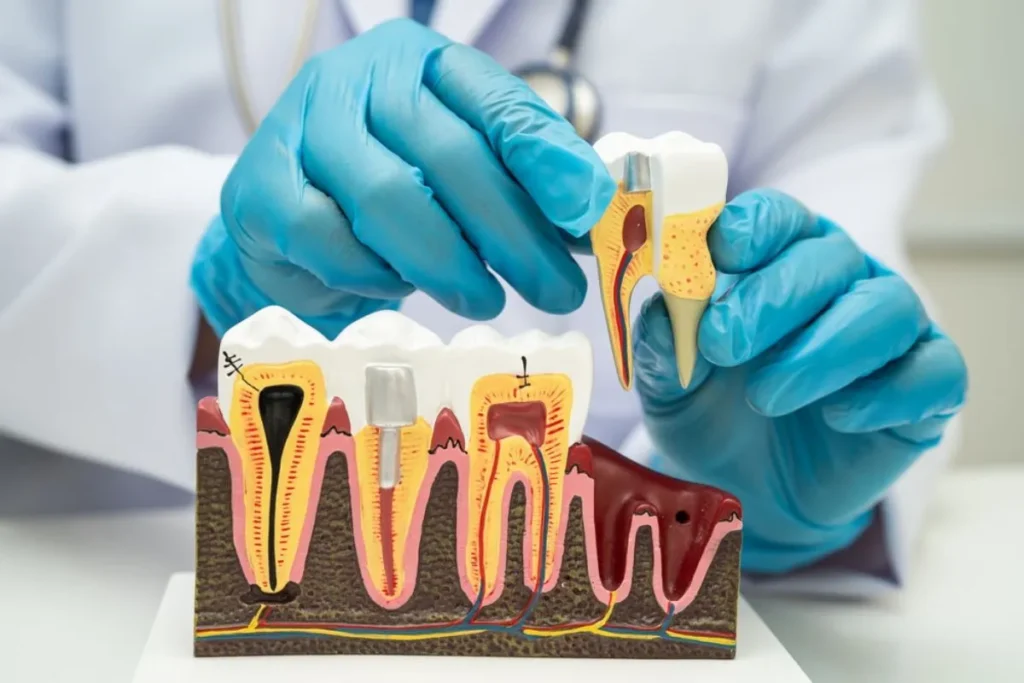
Tooth decay is a big problem worldwide. It affects millions of people. About 2.3 billion have dental caries on their permanent teeth.
Does a hole in tooth hurts? Get amazing best dental tips to stop scary throbbing and find top-rated ways to fix deep cavities fast.
If you feel sharp pain when drinking cold things or see a dark spot on your tooth, act fast. At GoldCity Center, we focus on you with our dental care. We use new solutions and follow top international standards to treat tooth decay at any stage.
Knowing your treatment options is key to getting your smile back. Quick action can save your tooth and stop more problems.
Key Takeaways
Tooth decay affects 2.3 billion people worldwide.
Prompt treatment can save your tooth.
GoldCity Center offers patient-centered dental care.
Innovative solutions and competitive protocols are used.
Understanding treatment options is important.
Understanding Tooth Decay and Cavities
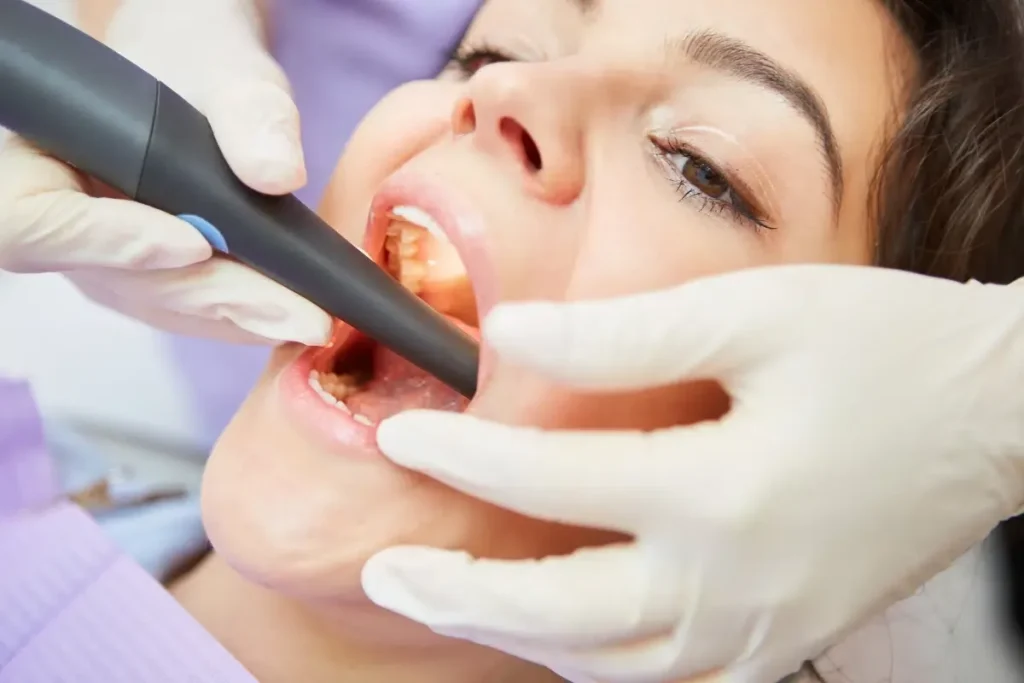
It’s important to know how tooth decay happens to keep your teeth healthy. Tooth decay, or dental caries, is a bacterial infection that weakens tooth enamel.
What Causes Holes in Teeth
Bacteria in your mouth produce acid, which is the main cause of tooth holes. These bacteria eat sugars and starches from your food, making acids that harm tooth enamel. This acid attack can create cavities over time.
Key factors contributing to tooth decay include:
Poor oral hygiene
Consumption of sugary and acidic foods and drinks
Inadequate fluoride exposure
Dry mouth
The Progression of Dental Caries
Dental caries progress in stages. First, acid from bacteria weakens the enamel, making a small lesion. If not treated, this lesion can grow into a cavity.
To prevent tooth decay, practice good oral hygiene, eat a balanced diet, and see your dentist regularly. Knowing how dental caries work helps you protect your teeth.
When a Hole in Tooth Hurts: Recognizing Symptoms
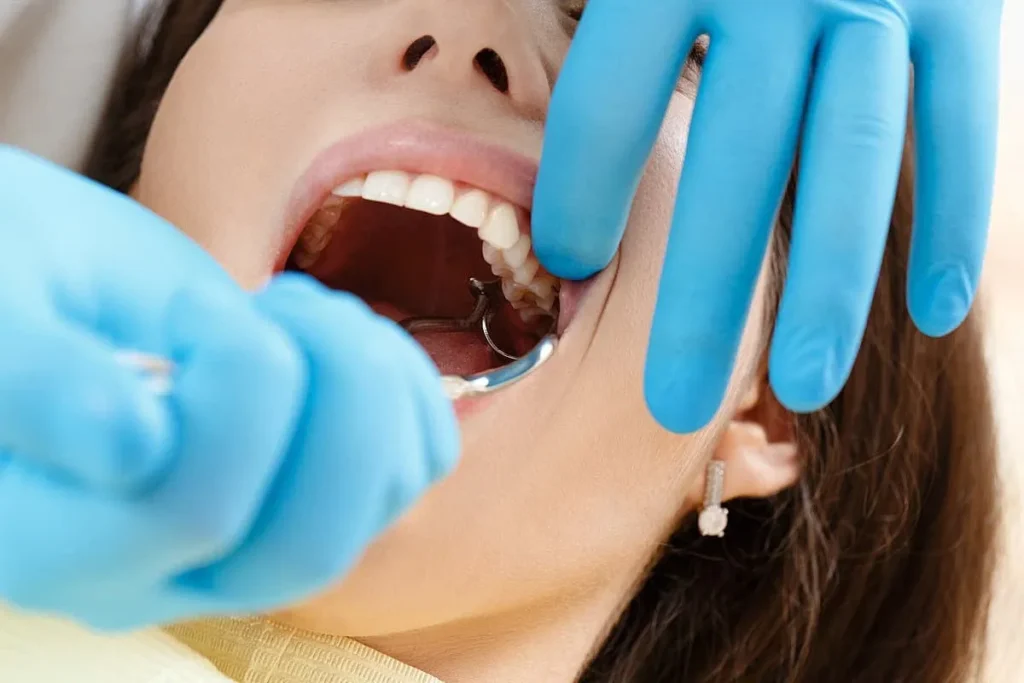
It’s important to know the signs of a hole in a tooth. Tooth decay can quietly get worse until it hurts a lot.
Early Warning Signs
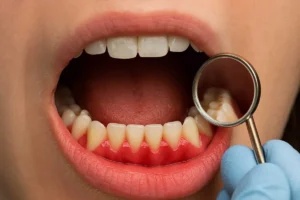
There are early signs of a hole in a tooth. Feeling pain when eating cold, hot, or sweet foods is a common symptom. You might see a dark spot, a chalky white patch, or a tiny pit on your tooth.
Also, food might get stuck in the same spot after eating. You might feel roughness when you run your tongue over a tooth.
When to Seek Immediate Dental Care
If you have persistent or severe pain, it’s time to see a dentist. Visible holes or pits in your teeth are also a sign. Bad breath or an unpleasant taste that won’t go away is another warning.
Severe tooth decay can cause a lot of pain. It can also lead to infection in other parts of your mouth or body.
Knowing what to do when you have tooth decay means catching symptoms early. If you notice any of these signs, see a dentist. They can help stop the decay from getting worse.
Treatment Options for Tooth Decay
There are several ways to treat a hole in your tooth. These range from simple fillings to more complex procedures like root canal therapy. The right treatment depends on how bad the decay is and the tooth’s health.
Professional Dental Treatments
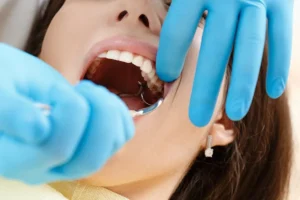
Professional dental treatments are key to treating tooth decay. They aim to fix the decayed part of the tooth and stop further damage.
Fillings: For early tooth decay, fillings are often used. The decay is removed, and the cavity is filled with a material like composite resin or amalgam.
Inlays and Onlays: For bigger decay that’s not a full crown, inlays or onlays are used. These are custom-made restorations from ceramic, gold, or composite materials.
Root Canal Therapy: If decay reaches the tooth’s pulp, causing infection or abscess, a root canal may be needed. It removes the infected pulp to save the tooth.
Crowns: If the tooth is badly damaged, a crown may be placed. It covers and protects the tooth.
Temporary Home Remedies for Pain Relief
While waiting for dental care, there are home remedies for tooth decay pain.
Rinse with warm salt water for one minute to reduce swelling and ease pain.
Take over-the-counter pain medication as directed to manage pain.
Avoid eating very hot, very cold, sticky, or hard foods that can make the pain worse.
Sleep with your head elevated to reduce pressure and alleviate pain.
These temporary fixes are not a replacement for dental care. They can help manage symptoms until you can see a dentist.
Conclusion: Preventing Future Tooth Decay
Stopping tooth decay is a long-term effort. It needs regular brushing and a careful diet. If you’re wondering why you have tooth decay, it’s often because of bad oral hygiene and eating too much sugar or acidic foods.
To fight tooth decay, keeping up with good oral care is key. Brush your teeth at least twice a day with fluoride toothpaste. Use gentle circular motions to clean all surfaces. Don’t brush side-to-side, as it can damage enamel near the gums.
Daily flossing is also vital. It helps remove food stuck between teeth, where decay often starts. This is important for areas that are hard to reach.
A tooth with a hole in the middle shows advanced decay. Regular dental visits can spot and treat cavities early. This stops them from getting worse. By knowing why tooth decay happens and acting early, you can keep your teeth healthy and smile with confidence.
FAQ
How does tooth decay happen?
Tooth decay occurs when bacteria in the mouth feed on sugars from food and drinks, producing acids that gradually erode the enamel. Over time, this leads to cavities and damage to the tooth structure.
What are the symptoms of tooth decay?
Symptoms can include tooth sensitivity to hot, cold, or sweet foods, visible holes or pits in the teeth, discoloration, pain when chewing, and bad breath. Early decay may not cause noticeable symptoms.
What should I do if I have a hole in my tooth?
If you notice a hole, schedule a dental appointment as soon as possible. A dentist can clean out the decay and restore the tooth with a filling, crown, or other appropriate treatment.
How can I relieve tooth pain caused by a cavity?
Over-the-counter pain relievers like ibuprofen or paracetamol can reduce discomfort. Applying a cold compress to the outside of the cheek and avoiding chewing on the affected side may also help until you see a dentist.
Can I treat a rotting tooth at home?
No, a rotting tooth cannot be fully treated at home. Temporary measures like pain relief or saltwater rinses can reduce discomfort, but professional dental treatment is necessary to remove decay and restore the tooth.
How can I prevent future tooth decay?
Brush twice daily with fluoride toothpaste, floss daily, reduce sugary foods and drinks, drink plenty of water, and visit your dentist regularly for check-ups and cleanings. Maintaining good oral hygiene helps prevent cavities.
What are the treatment options for dental caries?
Treatment depends on the severity and may include fillings, dental crowns, root canal therapy, or tooth extraction in advanced cases. Early detection often allows for simpler and less invasive treatments.
Why are my teeth decaying?
Teeth decay due to a combination of factors, including poor oral hygiene, frequent sugar intake, lack of fluoride, dry mouth, and bacterial buildup. Genetics and certain medical conditions can also increase susceptibility.
How to stop a rotting tooth?
A rotting tooth can only be stopped by professional treatment, such as removing the decayed portion and restoring the tooth with a filling or crown. Preventive care can stop further decay in other teeth.
What happens if I have tooth decay?
If left untreated, tooth decay can worsen, causing pain, infection, abscess formation, and even tooth loss. Early intervention by a dentist can prevent complications and restore tooth function.
References
World Health Organization. Evidence-Based Medical Insight. Retrieved from https://www.who.int/news-room/fact-sheets/detail/sugars-and-dental-caries