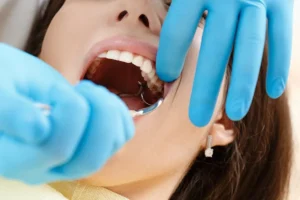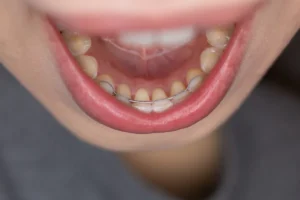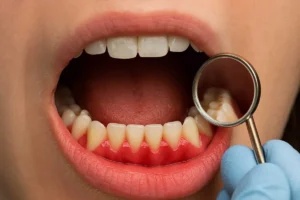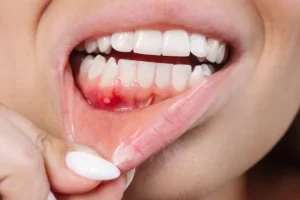

When your child’s first loose tooth appears, it’s a big deal. It shows they’re growing up and moving from baby teeth to adult teeth.
This change usually starts when kids are about 6 years old. It might make parents a bit worried if they’re not sure what to do. But, losing the first tooth is a big step in a child’s life, happening between ages 4 and 8.
It’s important to know how to handle a wiggly tooth. This knowledge can make the experience less scary for both parents and kids.
Key Takeaways
Losing baby teeth is a natural process that starts around age 6.
Most children lose their first tooth between ages 4 and 8.
Understanding how to care for a loose tooth can ease the transition.
Parents should be prepared to offer guidance and support.
A loose tooth is a sign of healthy dental development.
Understanding Loose Teeth in Children
It’s important for parents to know about loose teeth in kids. This is a big step in their growth. It means they are moving from baby teeth to permanent ones.
When kids are about six, they start to lose their baby teeth. This happens because the permanent teeth are pushing them out. It’s a normal and needed step for the permanent teeth to come in.
The Natural Timeline of Tooth Loss
When kids lose their baby teeth can vary. But usually, it starts around six and goes until they are 12 to 14. The first to go are often the lower front teeth, then the upper ones.
The Biological Process Behind Loose Teeth
The roots of baby teeth dissolve as permanent teeth grow. This makes the baby tooth wiggly and then it falls out. The permanent tooth then comes in.
The process is as follows:
The permanent tooth starts to grow under the gum.
The roots of the baby tooth start to dissolve.
The baby tooth becomes loose and falls out.
The permanent tooth comes in through the gum.
Knowing this process helps parents support their kids. It can also ease any worries they have about losing teeth.
Recognizing When Your Child Has a Loose Tooth for Children
A loose tooth is exciting for kids, but parents need to know the signs. It feels both fun and a bit weird for them.
Common Signs and Sensations
When kids have a loose tooth, they might act differently. They could:
Wiggle or move their tooth
Feel a little pain or discomfort
Have red or sore gums
See gaps where their tooth used to be
Pediatric dentists say, “The first loose tooth is a big deal for kids. It means they’re growing up and getting new teeth.”
Normal vs. Concerning Symptoms
Some pain is okay, but too much or bleeding a lot is not. Keep an eye on your child’s tooth.
Gender and Genetic Differences in Tooth Loss
Studies show that when kids lose their teeth can depend on their genes and gender. Girls usually lose their teeth first.
Key Factors Influencing Tooth Loss:
Genetic predisposition
Gender differences
Nutritional factors
Practical Tips for Managing Loose Teeth
Loose teeth are a normal part of growing up. Parents can make this easier for their kids with some helpful tips. It’s important to be gentle and informed to keep their comfort and oral health in mind.
Safe Ways to Handle Wiggling
It’s okay for kids to gently wiggle a loose tooth with their tongue or fingers. But, don’t push the tooth too hard. This can hurt or lead to infection.
Tips for Safe Wiggling:
Encourage your child to wiggle the tooth gently with their tongue or clean fingers.
Avoid using force or pulling on the tooth.
If the tooth is barely hanging on, use a tissue to grip it gently and encourage your child to wiggle it out.
Maintaining Oral Hygiene Around Loose Teeth
Good oral hygiene is key even with a loose tooth. Brushing and flossing help keep the area clean and prevent infection.
Tips for Oral Hygiene:
Continue brushing your child’s teeth twice a day with a fluoride toothpaste.
Floss around the loose tooth gently to remove any food particles.
Rinse with water or an antibacterial mouthwash if recommended by your dentist.
Helping Children Through Discomfort and Anxiety
Some kids might feel nervous or uncomfortable with a loose tooth. It’s important to tell them it’s a normal part of growing up.
When the tooth falls out, there might be some bleeding. This is usually minor and stops quickly. You can help by:
Gently rinsing your child’s mouth with water.
Applying a cold compress to reduce any swelling.
Encouraging your child to bite on a piece of gauze to stop the bleeding.
By following these tips, parents can help their kids lose baby teeth with ease and confidence.
Conclusion
Losing baby teeth is a big step for kids, showing they’re growing up. It’s a time of excitement and pride for both kids and parents. Knowing that losing a tooth is normal helps kids feel more confident.
When a child finds out they have a loose tooth, it’s a big deal. It shows they’re getting bigger and stronger. As a parent, being calm, supportive, and excited is key. Keeping their teeth clean is also important for a smooth transition.
Seeing tooth loss as a celebration of growth helps kids feel more confident. So, when your child loses their first tooth, be there to encourage them. Make this special moment a memory they’ll always treasure.
FAQ
What is a loose tooth and why does it happen to children?
A loose tooth is when a baby tooth starts to fall out. This makes room for a permanent tooth. The permanent tooth pushes up, dissolving the baby tooth’s roots, making it loose.
At what age do children typically start losing their baby teeth?
Children usually lose their baby teeth between 5 to 7 years old. But, it can vary based on genetics and oral health.
How can I tell if my child’s tooth is loose?
To check if a tooth is loose, gently wiggle it with clean fingers. If it moves, it’s loose. Your child might also tell you or show you the tooth.
Should I encourage my child to wiggle a loose tooth?
Yes, gently wiggling a loose tooth can help it fall out. But, don’t force it to avoid pain or discomfort.
What should I do when my child’s tooth falls out?
When a tooth falls out, rinse it with water. Have your child bite on a clean cloth or gauze to stop bleeding. A cold compress can also help with swelling.
How can I help my child manage discomfort or anxiety related to a loose tooth?
Reassure your child that losing a tooth is normal. Offer pain relief if needed. Encourage good oral hygiene to prevent infection.
Can genetics affect when and how my child loses their baby teeth?
Yes, genetics can influence tooth loss timing and process. If you or your partner lost teeth early or late, your child might too.
How can I maintain good oral hygiene around a loose tooth?
Encourage your child to brush and floss around the loose tooth gently. Be careful not to cause discomfort or force the tooth out.
What are some signs that a loose tooth is not normal and may need dental attention?
If your child has pain, swelling, or bleeding that won’t stop, or if the tooth is very loose and hurts, see a pediatric dentist.
How can I keep a loose tooth from falling out too quickly?
You can’t stop a loose tooth from falling out completely. But, encourage your child to be gentle when eating or wiggling the tooth to slow it down.
References
Loose Tooth For Children: Best Amazing Tip
https://pmc.ncbi.nlm.nih.gov/articles/PMC9670471/