
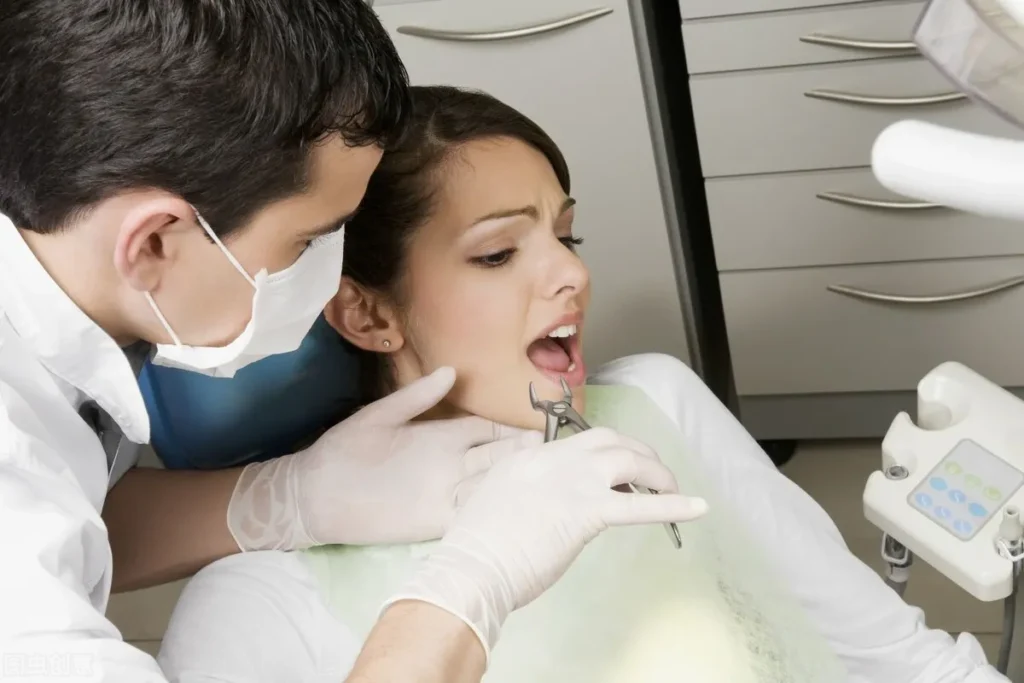
Feeling pain in the tooth next to an extracted tooth can be scary. But, it’s a common feeling for many after a tooth is pulled.
Why the tooth beside extracted tooth hurts? Learn amazing best facts about scary referred pain and ensure top-rated dental healing.
At GoldCity Center, we know recovery can be tough. It’s even harder when you feel pain in nearby teeth. This pain usually comes from the body’s healing and inflammation.
We put our patients first by giving them clear, backed-up information. We want you to know what to expect during recovery. And when you might need to see a professional.
Key Takeaways
Pain in the tooth next to an extracted tooth is a common experience.
Inflammatory responses and healing processes contribute to the discomfort.
Understanding the causes can help alleviate concerns.
Professional evaluation may be necessary in some cases.
GoldCity Center provides personalized care and clear guidance throughout the recovery process.
Why the Tooth Beside Extracted Tooth Hurts
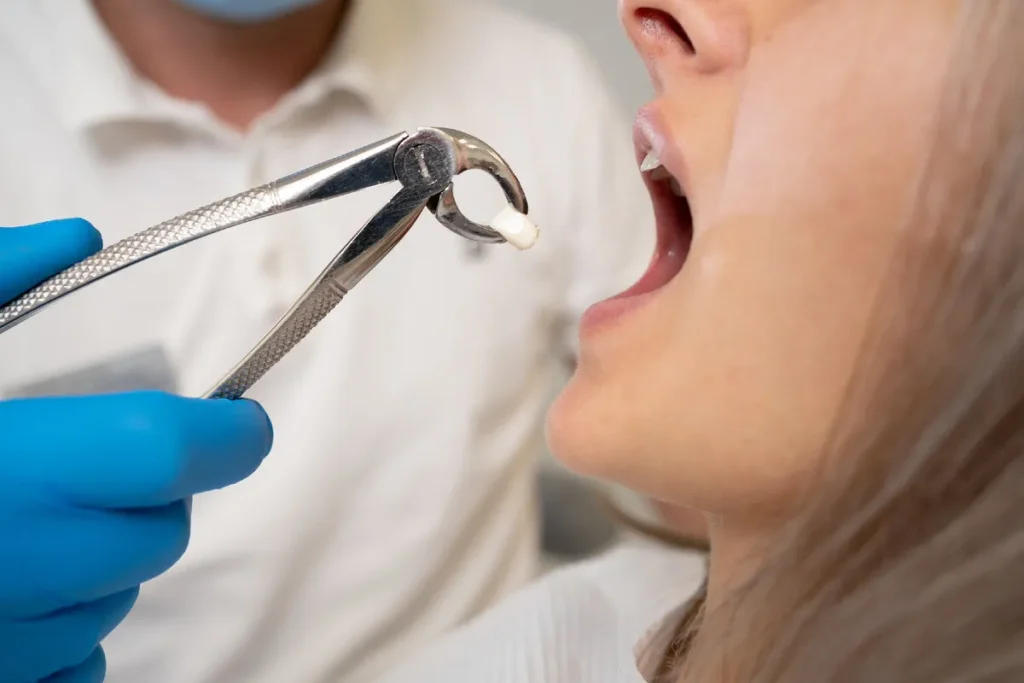
After a tooth is pulled, it’s common to feel pain not just where the tooth was pulled, but also in nearby teeth. Knowing why this happens can help ease worries and help the healing process.
Normal Post-Extraction Pain Patterns
Pain after a tooth is pulled is a normal part of healing. The area where the tooth was pulled can hurt because of the damage to the tissues and bone. This pain can be eased with pain medicine and usually goes away in a few days.
The body reacts to injury by getting inflamed, which can cause pain not just at the pulled tooth but also in nearby teeth. Inflammation and swelling are natural responses that can affect the nerves around the pulled tooth, making nearby teeth hurt.
How Pain Radiates to Adjacent Teeth
Pain in nearby teeth after a tooth is pulled happens because of how nerves in the mouth are connected. Irritation or swelling at the pulled tooth can make these nerves send pain signals to nearby teeth.
Referred pain is when pain is felt in a place other than where it’s happening. For tooth pullings, this means pain from the pulled tooth can be felt in nearby teeth. This makes it seem like the pain is coming from the tooth next to it.
Knowing that pain can spread to nearby teeth after a tooth is pulled can help patients understand their body’s healing. It also tells them when to see a dentist if the pain doesn’t go away or gets worse.
Common Causes of Adjacent Tooth Pain After Extraction

After a tooth is pulled, it’s common for the tooth next to it to hurt. Many wonder why this happens. Several reasons include inflammation, nerve irritation, and changes in how teeth fit together.
Inflammation and Tissue Trauma
Tooth extraction is a surgery that hurts the tissues around it. This hurt leads to inflammation, the body’s way of healing. This inflammation can cause pain in the tooth that was pulled and the one next to it.
Swelling and inflammation can press on the teeth next to the extraction site.
Fixing damaged tissues is painful during the healing process.
In some cases, the inflammation can be so strong that it hurts the tooth next to the extraction site.
Nerve Irritation and Referred Pain
The nerves around the extraction site can get irritated during the surgery. This irritation can cause referred pain, where the pain feels like it’s coming from a different place, like the tooth next to it.
Nerve irritation can happen because of:
Direct damage to the nerves during the extraction.
Inflammation that affects the nerve endings.
Changes in pressure in the surrounding tissues.
Changes in Bite Alignment and Pressure Distribution
When a tooth is pulled, how the upper and lower teeth fit together can change. This can shift the pressure on the teeth, making the tooth next to the extraction site hurt.
Without a tooth, the other teeth can shift.
Changes in bite alignment can change how forces are spread during chewing.
The tooth next to the extraction site may become more sensitive because of these changes.
Serious Complications That Affect Neighboring Teeth
After a tooth is pulled, some people feel pain in the tooth next to it. This could mean there’s a serious problem. Tooth extraction is common, but it can have risks. Knowing these risks helps patients get help fast if they feel unusual pain.
Dry Socket: When the Protective Blood Clot Is Lost
Dry socket happens when the blood clot over the pulled tooth is lost. This exposes the bone and nerves, causing pain that can spread to nearby teeth. Symptoms include severe pain, an empty socket, and bad breath. Smoking, rinsing too hard, and some medicines can raise the risk of dry socket.
Post-Extraction Infections
Infections can happen when bacteria get into the pulled tooth area. This can cause pain, swelling, and redness around the pulled tooth and next to it. Signs of infection include fever, pus, and more pain. Antibiotics are often needed to treat the infection.
Damage to Adjacent Teeth During Extraction
It’s possible for the tooth extraction to hurt the tooth next to it. This can happen because of dental tools or if the extraction is tricky. Damage can be small chips or bigger problems. Regular dental visits can catch any damage early.
Knowing about these possible problems helps patients take steps to avoid them. If they notice anything unusual after a tooth extraction, they should get medical help right away.
Conclusion: When to Seek Help and How to Relieve Discomfort
After a tooth extraction, some discomfort is normal. But knowing when to get help is key. If the pain next to the extraction site gets worse, see your dentist.
There are ways to manage the discomfort. Taking pain relief as your dentist suggests can help. Also, using a cold compress can reduce swelling and ease pain.
Keeping your mouth clean is important for healing. Gently brush and rinse around the extraction site. This helps prevent infection and supports healing.
If you have severe pain or swelling, or notice signs of infection like more redness or pus, get to your dentist fast. Knowing how to handle pain and when to get help ensures a smooth recovery.
FAQ
Why does the tooth next to my extracted tooth hurt?
The tooth next to an extraction site may hurt due to irritation, inflammation, or pressure from the extraction. Nearby nerves can also be temporarily affected, causing soreness.
Is it normal for the tooth next to the extraction site to be sore?
Yes, mild soreness in adjacent teeth is common after a tooth extraction. It usually results from trauma or shifting pressure during the procedure.
How long does pain in the adjacent tooth last after extraction?
Pain in neighboring teeth typically lasts a few days to a week. It should gradually improve as healing progresses.
Can dry socket cause pain in the tooth next to the extracted tooth?
Yes, if a dry socket develops, the exposed bone and surrounding inflammation can cause pain that radiates to adjacent teeth.
What can I do to relieve pain in the tooth next to the extracted tooth?
Over-the-counter pain relievers, cold compresses, gentle saltwater rinses, and avoiding chewing on that side can help reduce discomfort.
When should I seek professional help for pain in the tooth next to the extracted tooth?
See a dentist if the pain is severe, persists beyond a week, or is accompanied by swelling, pus, fever, or a bad taste in your mouth, as these may indicate infection or dry socket.
Can I prevent pain in the tooth next to the extracted tooth?
Following post-extraction care instructions, avoiding hard foods, and maintaining good oral hygiene can reduce the risk of pain in adjacent teeth.
Will the pain in the adjacent tooth resolve on its own?
In most cases, mild soreness resolves on its own within a few days. Persistent or worsening pain should be evaluated by a dentist.
References
National Center for Biotechnology Information. Evidence-Based Medical Insight. Retrieved from https://pubmed.ncbi.nlm.nih.gov/31501778/[1