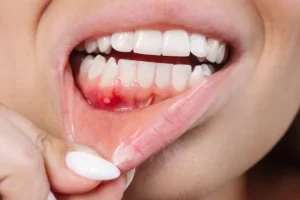



Tooth cavities are a big problem worldwide, affecting people of all ages. At-home dental cavity fillers are quick fixes when you can’t see a dentist right away.
Use a tooth hole filler for amazing best temporary relief. Stop scary sensitivity and protect your top-rated smile until your visit.
Cavity pain can pop up when you least expect it. You might look for quick relief. While seeing a dentist is best, knowing how to use these fillers can help in a pinch.
Learning about at-home fillings is a big step towards feeling better about your teeth. This article will show you how to do it, what materials you need, and how to take care of your teeth after.
Key Takeaways
At-home temporary fillings provide emergency relief for cavity pain.
Understanding the application process is key for safe use.
Temporary fillings are not a permanent fix for dental problems.
Proper aftercare is vital for keeping your teeth healthy.
Feeling good about your teeth starts with knowing about temporary fixes.
Understanding Temporary Tooth Hole Fillers
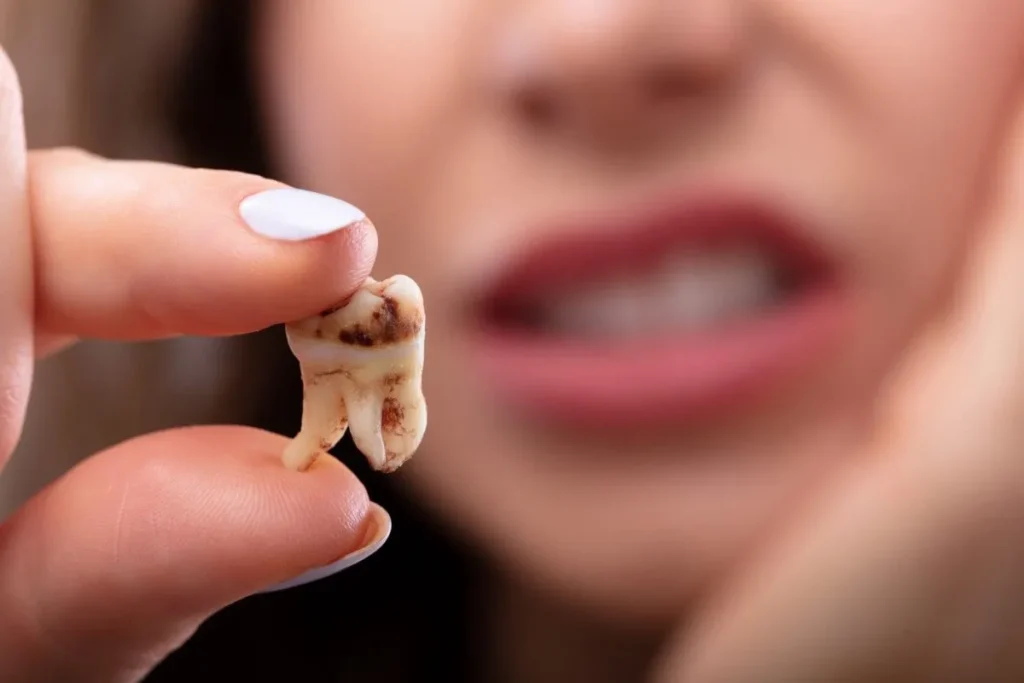
Dealing with a tooth cavity can be tough. But, temporary fillings can help until you can see a dentist. These fillers are made to ease pain and discomfort when you can’t get to a dentist right away.
What Are Temporary Cavity Fillers?
Temporary cavity fillers are made from materials like glass ionomer and zinc oxide eugenol. They are meant for short-term use, lasting from 2 to 8 weeks. They’re not a long-term fix but can help until you can get to a dentist.
Common materials used in temporary fillings include:
Glass ionomer
Zinc oxide eugenol
Cavit
Zinc phosphate cement
When to Use At-Home Cavity Solutions
At-home cavity solutions are good for emergencies. If you have a toothache or a lost filling, they can help until you can see a dentist. Remember, these solutions are only temporary and not a permanent fix.
Dental experts say, “Temporary fillings are just a temporary fix. They’re not meant to last forever.”
Knowing about different temporary filling materials can help in emergencies. Always follow the instructions and see a dentist as soon as you can.
Types of Temporary Dental Filling Materials
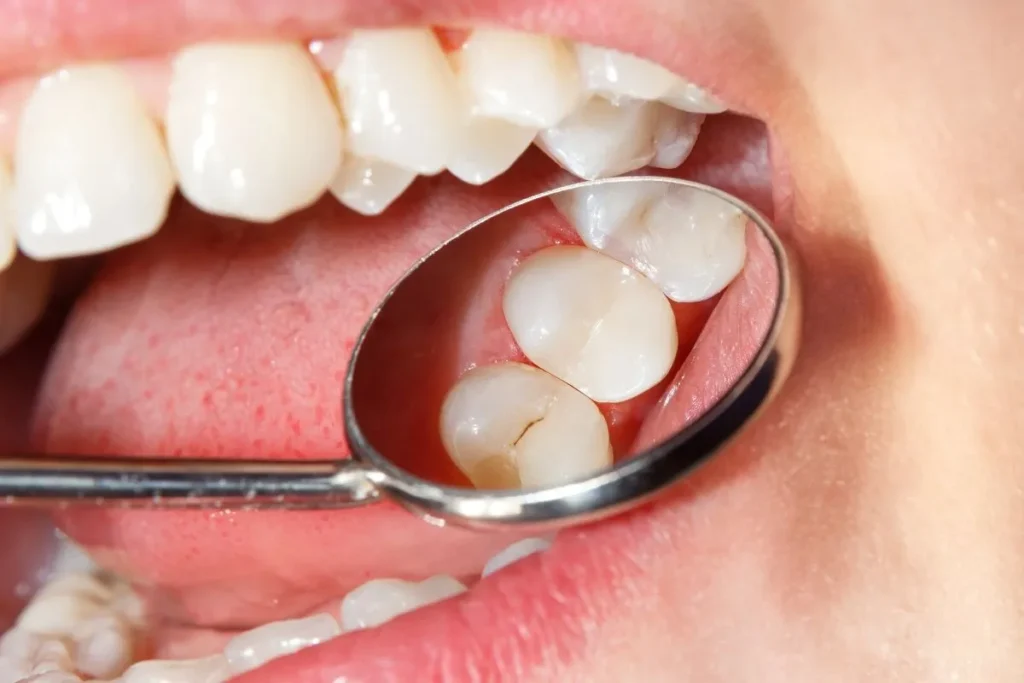
When you have a tooth cavity, knowing about temporary dental fillings is key. These fillings give quick relief and come in different types to meet various needs.
Over-the-Counter Tooth Hole Filler Products
OTC temporary fillings are easy to find at pharmacies and online. They’re made for quick fixes in emergencies. Popular ones include zinc oxide-eugenol, glass ionomer, and Cavit.
These fillings last from one to four weeks, depending on your diet and oral care. Always follow the product’s instructions and watch for signs you need a permanent fix.
Common Ingredients in Temporary Fillings
Temporary fillings have different ingredients for various benefits. Here are some common ones:
Zinc Oxide-Eugenol: It’s soothing and often used in dental care.
Glass Ionomer: It releases fluoride to fight tooth decay.
Cavit: A special material for easy use in temporary fillings.
Calcium Sulfate: Used with other materials to improve their performance.
Knowing about these ingredients helps you make better choices for your teeth. While temporary fillings help, they’re not a long-term solution. Always see a dentist for a proper fix.
Step-by-Step Guide to Applying a Temporary Filling
Using a cavity filling paste is a common method for self tooth filling. This process needs careful attention and safety precautions for effective and safe use.
Preparing Your Tooth and Materials
Before applying a temporary filling, prepare your tooth and materials. Clean the cavity area well. Use a toothbrush and toothpaste to remove debris or bacteria. Then, rinse your mouth with warm water to clean the area.
Get the needed materials, like the teeth filler at home kit, a mirror, and any other tools from the product instructions. Make sure you have a clean and comfortable workspace.
Application Process
Follow the product instructions for the cavity filling paste to prepare it. This usually means mixing the filling material components.
Put the mixed filling material on the cleaned cavity. Use the tools provided to shape it like your tooth. Make sure the filling is not too high or too low, as it can affect your bite.
Safety Precautions During Application
When doing a tooth filling at home, safety is key. Always follow the product instructions carefully to avoid problems.
Be careful not to swallow the filling material or push it too far into the cavity. This can cause irritation or infection. If you feel pain or discomfort, stop and see a dental professional.
Pain Relief Benefits
One big benefit of using a teeth filler at home is the immediate pain relief. Sealing the cavity protects the nerve endings from stimuli, reducing pain.
By following these steps and taking the necessary precautions, you can apply a temporary filling at home. This provides relief until you can see a dental professional.
Conclusion
At-home temporary tooth fillings can offer quick relief. But, they can’t replace professional dental care. It’s key to understand their role and follow aftercare for a healthy smile.
Using a temporary filling at home is a short-term fix for pain. Yet, seeing a dentist quickly is vital for the right treatment. Home fillings are not a long-term fix and should be replaced by a dentist to avoid more problems.
By choosing the right path and getting professional help when needed, you can keep your teeth healthy for life. Avoid relying on temporary fixes. Instead, visit a dentist to get the care your teeth need.
FAQ
What is a temporary tooth filling, and when should I use it?
A temporary tooth filling is a short-term material used to protect a tooth that has decay, a small fracture, or a lost permanent filling. It is typically used when you cannot see a dentist immediately or while waiting for a permanent restoration.
What are the common ingredients in temporary dental filling materials?
Temporary filling materials often contain zinc oxide-eugenol, dental cement, or resin-based compounds. These ingredients provide a protective barrier, reduce sensitivity, and help control minor pain.
How do I apply a temporary filling at home?
Over-the-counter temporary filling kits usually include pre-mixed material or powder that you mold into the cavity and press into place. After filling, you bite gently to shape it, and it hardens within minutes. Always follow the manufacturer’s instructions carefully.
Are at-home temporary tooth fillings a replacement for professional dental care?
No, at-home temporary fillings are only a short-term solution. They protect the tooth temporarily, but professional dental evaluation is necessary to treat the underlying problem and prevent further decay or infection.
What are the benefits of using a temporary filling for pain relief?
A temporary filling can reduce sensitivity to hot, cold, or pressure and protect the exposed tooth structure. It helps minimize discomfort until a dentist can provide permanent treatment.
How do I care for my tooth after applying a temporary filling?
Avoid chewing hard or sticky foods on the treated side, maintain good oral hygiene, and rinse gently with saltwater or an antiseptic mouthwash. Monitor the filling for dislodgment or wear.
Can I use temporary filling material for a broken tooth?
Yes, temporary fillings can protect a chipped or broken tooth, but they will not restore full function or appearance. You should see a dentist for permanent repair as soon as possible.
Is it safe to fill a cavity at home with over-the-counter products?
Temporary home fillings are generally safe for short-term use, but they are not a substitute for professional care. Improper application or prolonged use can lead to further decay or infection.
Can I use a temporary filling for a front tooth?
Yes, temporary filling material can be used on front teeth to protect them and reduce sensitivity. However, the appearance may not be ideal, so professional restoration is recommended for cosmetic and functional reasons.
How long can I expect a temporary filling to last?
Temporary fillings usually last from a few days up to 2–3 weeks, depending on the material, location of the tooth, and chewing habits. They should be replaced with a permanent filling as soon as possible.
References
National Center for Biotechnology Information. Evidence-Based Medical Insight. Retrieved from https://pubmed.ncbi.nlm.nih.gov/36628492/