
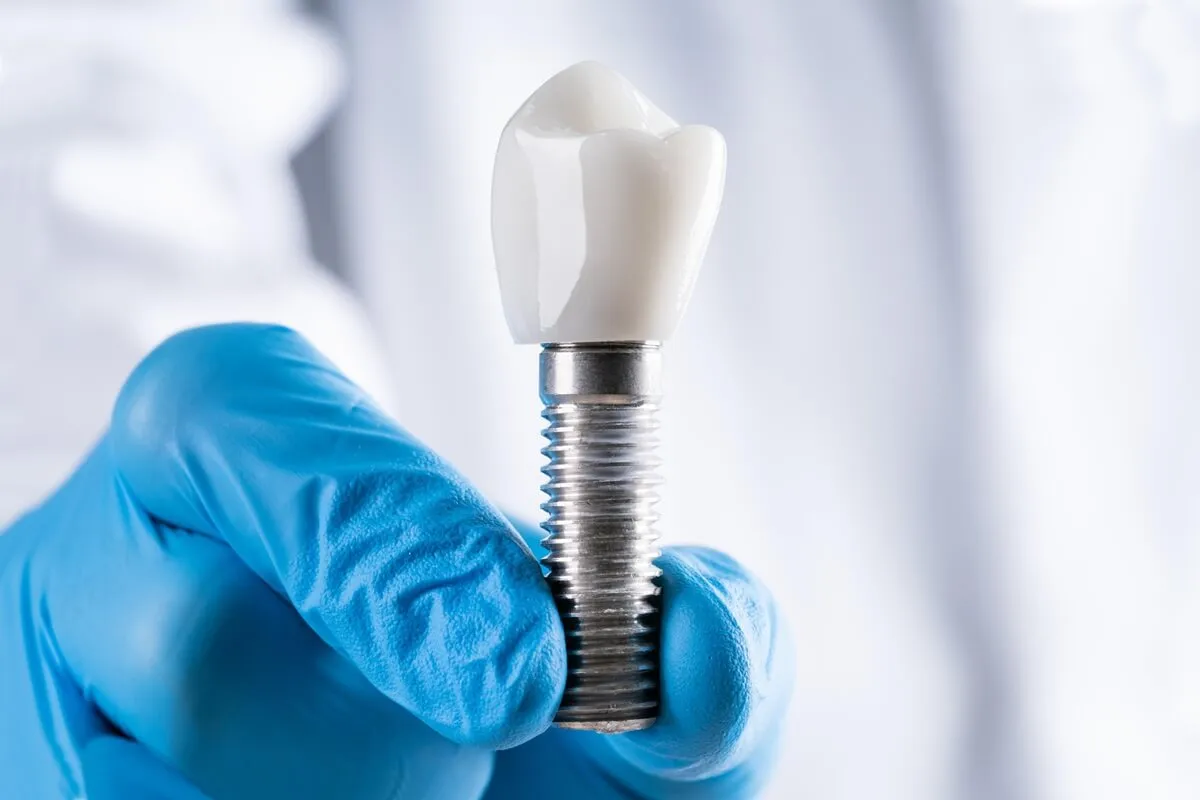
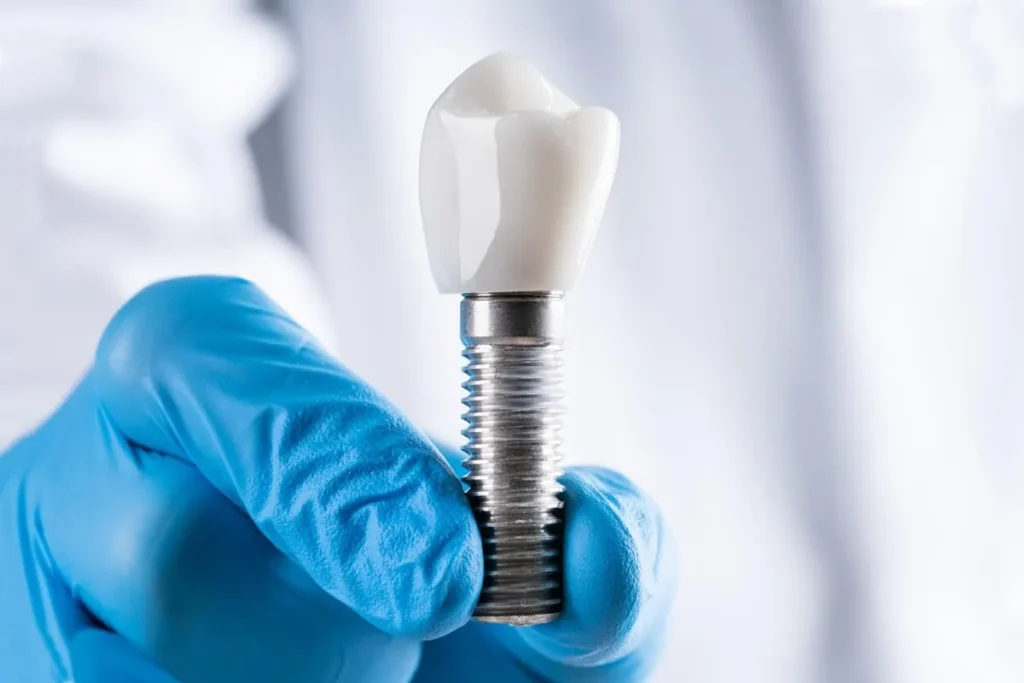
Dental implants have changed dentistry a lot. They are a solid fix for people without teeth. The strength of these implants comes from the advanced materials they’re made of.
Exactly what are implants made of? Learn amazing best facts about scary-strong titanium and top-rated ceramic dental materials today.
Titanium and its alloys are the main materials for dental implants. They are very good at fitting in with the bone around them. This makes the implant stable.
Knowing what dental implants are made of is key for good oral health. With top-notch materials and techniques, patients get the best results. This is thanks to trusted healthcare providers.
Key Takeaways
Dental implants are mainly made from titanium and titanium alloys.
These materials offer exceptional biocompatibility and mechanical properties.
The use of advanced materials ensures a stable foundation for the implant.
Understanding the material composition is key for making good choices.
Trusted healthcare providers use high-quality materials and techniques.
What Are Implants Made Of: The Primary Materials
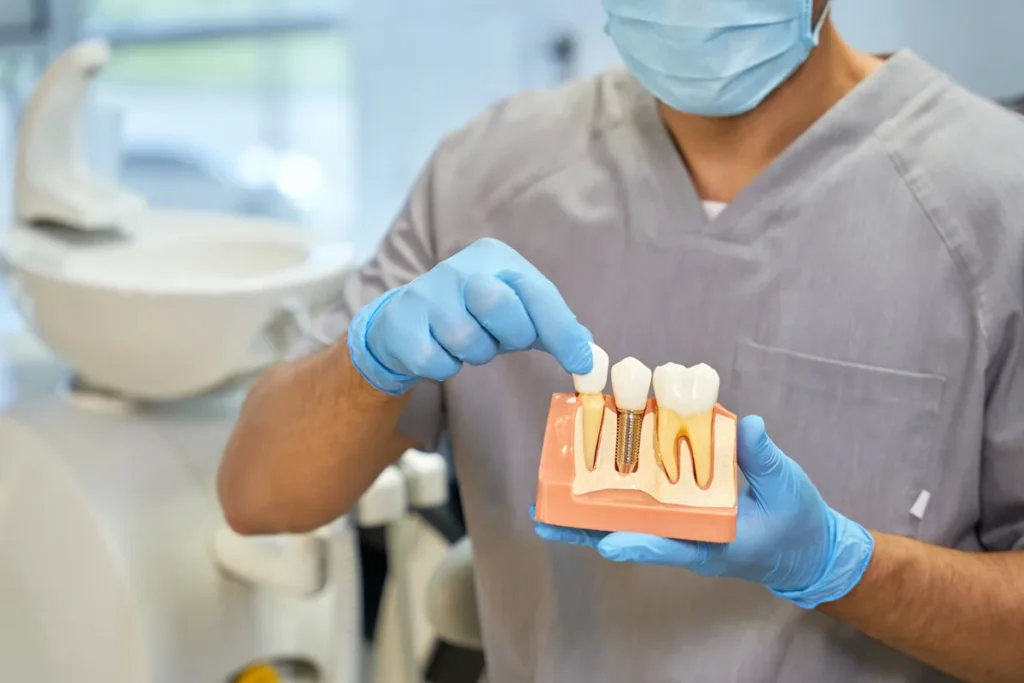
Dental implants are a big deal for your teeth. Knowing what they’re made of is key to making the right choice. It’s all about investing in your oral health.
Titanium: The Gold Standard for Dental Implants
Titanium is the top pick for dental implants. It’s strong, light, and doesn’t rust. These traits make it perfect for handling chewing forces over many years.
For decades, titanium has been used in medicine and dentistry. It’s safe for the body, thanks to its biocompatibility. This means it won’t cause bad reactions.
Key Properties: Biocompatibility and Osseointegration
Two main reasons titanium implants work so well are biocompatibility and osseointegration. Biocompatibility means titanium gets along with your body without causing problems. Osseointegration is when bone cells attach to the implant, making it stable.
The surface of titanium implants can be changed to help bone cells stick better. Sandblasting and acid-etching make the surface rougher. This helps bone cells grow, securing the implant firmly.
In short, titanium is the main material for dental implants. It’s chosen for its safety, strength, and ability to integrate with bone. These qualities make titanium implants a solid choice for replacing teeth.
Types of Titanium Used in Dental Implants

Titanium is strong and safe for the body, making it great for dental implants. Different types of titanium are chosen for implants. This choice affects how well the implant lasts and how it fits with the bone.
Commercially Pure Titanium: Grades 1-4
Commercially pure titanium is used in dental implants because it’s safe and doesn’t corrode easily. It’s divided into four grades based on its oxygen and iron levels. These levels change its strength and flexibility.
Grades of Commercially Pure Titanium:
The right grade is picked based on the implant’s needs and the patient’s health.
Titanium Alloys: Ti-6Al-4V and Ti-6Al-4V ELI
Titanium alloys like Ti-6Al-4V and Ti-6Al-4V ELI are also used in dental implants. They are stronger and last longer than pure titanium.
Ti-6Al-4V is very strong, has a low stiffness, and doesn’t corrode easily. It’s perfect for implants that carry a lot of weight.
Ti-6Al-4V ELI has less oxygen, making it more flexible and less likely to break. It’s great for implants that need to be very reliable.
Using these titanium alloys in dental implants is a big step forward. It gives patients implants that are both strong and dependable.
Alternative Dental Implant Materials
There are other materials being used for dental implants, aside from titanium. These alternatives aim to improve looks, reduce metal sensitivity, and increase how well they fit with the body.
Ceramic and Zirconia Implants
Ceramic and zirconia implants are becoming more popular as metal-free options. Zirconia implants are strong and look natural. They’re great for people with thin gums or implants that show.
Ceramic implants are made from materials like alumina or zirconia. These are safe for the body and bond well with bone. They’re good for those allergic to metals.
Polymer-Based Materials in Development
Scientists are working on dental implants made from polymers. These could be more flexible and better fit with the body. Polymer implants might feel more natural.
The benefits of these new implant materials include:
New dental implant materials are giving patients more choices. As research goes on, we’ll see even better implants. They could be more tailored to each person’s needs.
Conclusion
Choosing the right material for dental implants is key to their success. Titanium is the most popular choice because it works well with the body. It’s biocompatible and helps the implant bond with bone.
Knowing what dental implants are made of helps you make better choices for your teeth. While titanium is the top choice, ceramic and zirconia are also being looked at. New materials and tech keep coming, giving you more options for your implants.
Before getting dental implants, talk to a skilled dentist. They can help pick the best material for you. With the right choice and a good dentist, you can get implants that last and make you smile again.
FAQ
What are dental implants made of?
Dental implants are usually made of titanium or titanium alloys. Some implants are made from ceramic materials like zirconia.
Why is titanium used for dental implants?
Titanium is used because it is strong, lightweight, corrosion-resistant, and biocompatible. It also bonds naturally with the jawbone for long-term stability.
What are the different types of titanium used in dental implants?
The main types include commercially pure titanium and titanium alloys such as titanium-aluminum-vanadium. Both offer strength and durability for dental use.
Are there any alternatives to titanium for dental implants?
Yes, zirconia (a ceramic material) is a popular alternative. It is metal-free and tooth-colored, making it suitable for patients who prefer non-metal options.
What is osseointegration, and why is it important?
Osseointegration is the process where the implant fuses directly with the jawbone. It is important because it provides strength, stability, and long-term success of the implant.
Are dental implants made entirely of titanium?
Not always. While the implant post is usually titanium, the crown placed on top is typically made of porcelain, ceramic, or zirconia.
Can I be allergic to dental implant materials?
Allergic reactions to titanium are very rare. However, some patients may be sensitive to certain metals or materials used in restorations.
How long do dental implants last?
With proper oral hygiene and regular dental visits, implants can last 15–25 years or even a lifetime in many cases.
What are the benefits of ceramic or zirconia implants over titanium?
Zirconia implants are metal-free, tooth-colored, and may be preferred for aesthetic reasons. They are also suitable for patients concerned about metal sensitivity.
Are there any new materials being developed for dental implants?
Yes, researchers are exploring advanced ceramics, improved titanium alloys, and surface treatments to enhance healing and long-term success rates.
References
National Center for Biotechnology Information. Evidence-Based Medical Insight. Retrieved from https://pubmed.ncbi.nlm.nih.gov/3885867/