


Gum aching is a common problem for millions of adults worldwide. Almost 47 percent of adults aged 30 and older have gum disease. If your gums feel sore or swollen, you’re not alone.
Exactly why my gums ache? Discover amazing best causes for scary sensitivity and find top-rated dental remedies for healthy gums.
At GoldCity Center, we know that gum discomfort means your body needs help. This guide looks at seven common reasons for gum pain. It also offers solutions backed by dental science.
Key Takeaways
Nearly half of all adults experience some form of gum disease.
Gum aching can be a sign of an underlying oral health issue.
Understanding the causes of gum discomfort is key for effective treatment.
Practical solutions can help ease gum pain.
Dental science supports the recommended remedies.
Understanding Gum Pain
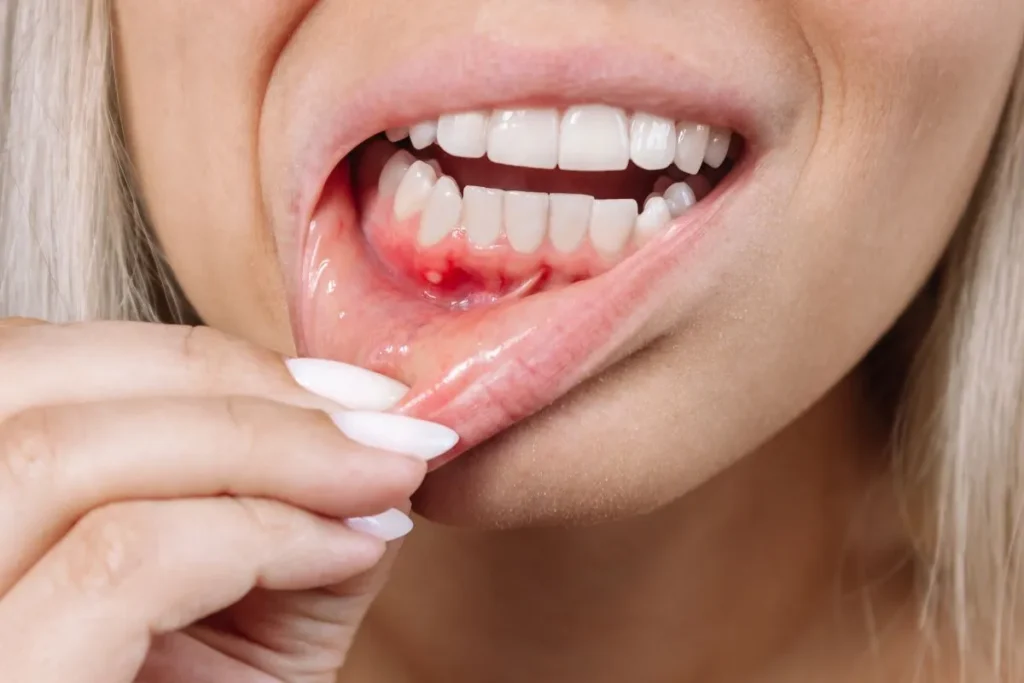
Gum pain can be quite distressing. It’s important to know its causes and solutions. Whether it’s sharp or dull, gum pain is a symptom that shouldn’t be ignored. It often signals an underlying issue that needs attention.
The Prevalence of Gum Disease
Gum disease is common, affecting many people. Nearly 47% of adults over 30 have it. This shows how vital it is to understand gum pain and its link to gum disease.
Gum disease can range from mild gingivitis to severe periodontitis. Knowing the symptoms and causes helps in finding the right treatment.
Recognizing Gum Pain Symptoms
Spotting gum pain symptoms is key to figuring out the cause. Common signs include red, swollen, or tender gums. Some may feel pain while chewing or have gum sensitivity.
Understanding these symptoms helps identify gum pain causes. It’s important to tackle gum pain quickly to avoid more problems.
Why My Gums Ache: 7 Common Causes

It’s important to know why your gums hurt. Gum pain can be a sign of bigger issues. We’ll look at 7 common reasons why your gums might ache.
Poor Oral Hygiene and Bacterial Plaque
Poor oral hygiene is a big reason for gum pain. It leads to bacterial plaque on your teeth. This plaque irritates your gums, causing pain and swelling. Brushing and flossing regularly can help prevent this.
Gingivitis and Periodontal Disease
Gingivitis is an early gum disease. It makes your gums red, swollen, and can bleed. If not treated, it can turn into periodontitis, a serious condition that can cause tooth loss. Both are major causes of gum pain, so seeing a dentist is key.
Hormonal Changes in Women
Hormonal changes in women can affect gum health. These changes can make your gums more sensitive and painful. Women should pay extra attention to their oral hygiene and talk to their dentist.
Smoking and Tobacco Products
Tobacco products are bad for your gums. Smoking reduces blood flow and makes healing harder. It also increases the risk of gum disease. Quitting smoking can greatly improve your oral health.
Other things like aggressive brushing, vitamin deficiencies, and some medications can also cause gum pain. Knowing these causes can help you start feeling better and more confident about your oral health.
Effective Solutions for Aching Gums
Aching gums can be a real nuisance, but there are several effective solutions to alleviate the discomfort. By adopting proper oral hygiene practices, utilizing antimicrobial mouthwashes, undergoing professional dental cleaning, and exploring pain relief methods, you can significantly improve your gum health.
Proper Brushing and Flossing Techniques
Maintaining good oral hygiene is the cornerstone of healthy gums. Brushing your teeth at least twice a day with a soft-bristled toothbrush and fluoride toothpaste helps remove plaque, a key contributor to gum pain. It’s equally important to floss daily to remove food particles and plaque from between your teeth and under your gumline, where a toothbrush can’t reach.
When brushing, use gentle circular motions and ensure you cover all surfaces of your teeth. For flossing, curve the floss around the edge of each tooth in a “C” shape and slide it under the gumline. This helps prevent gum irritation and removes plaque effectively.
Antimicrobial Mouthwashes and Rinses
In addition to brushing and flossing, using an antimicrobial mouthwash can help reduce gum pain by killing bacteria that cause plaque and gingivitis. Look for a mouthwash that carries the American Dental Association (ADA) Seal of Acceptance, ensuring it meets standards for safety and effectiveness.
Rinsing with warm salt water is another simple yet effective remedy. Mix half a teaspoon of salt in 8 ounces of warm water and swish it around your mouth for 30 seconds before spitting it out. This can help reduce swelling and ease pain.
Professional Dental Cleaning and Scaling
Regular professional dental cleanings are essential for maintaining healthy gums. During a cleaning, a dental hygienist will remove plaque and tartar from your teeth both above and below the gumline, a process known as scaling. This helps prevent and treat gum disease, reducing pain and inflammation.
If you have deep pockets between your teeth and gums, your dentist may recommend a deep cleaning, also known as scaling and root planing. This procedure involves scaling the teeth and smoothing the roots to help your gums reattach to your teeth, reducing pocket depth and improving gum health.
Pain Relief Methods for Sore Gums
For immediate relief from sore gums, several pain relief methods can be effective. Over-the-counter pain relievers like ibuprofen can help reduce pain and inflammation. Applying a cold compress to the outside of your cheek near the sore area can also help numb the pain and reduce swelling.
Using a desensitizing toothpaste or a mouthwash designed for sensitive teeth and gums can provide relief. If your gum pain persists or worsens, it’s essential to consult with your dentist to rule out any underlying conditions that may need professional attention.
Conclusion
Knowing why your gums hurt is key to keeping your mouth healthy. If you feel pain, finding out why is important.
It doesn’t matter if it’s just the top of your gums or a bigger problem. Spotting the signs is the first step to fixing it. This way, you can stop more harm and ease the pain.
Going to the dentist is a must to figure out and fix gum pain. Don’t delay if you’re always feeling sore.
By acting fast to understand and treat gum pain, you can keep your smile healthy and pain-free for a long time.
FAQ
Why do my gums hurt when I eat?
Gum pain while eating can occur due to inflammation, infection, or irritation from plaque, cavities, or partially erupted teeth. Hot, cold, or acidic foods may also trigger sensitivity.
What does it mean when the top of my gums hurt?
Pain at the top of the gums may indicate gum disease, irritation from dental appliances, infection, or pressure from erupting teeth, such as wisdom teeth.
Why are my gums aching so much?
Aching gums can be caused by gingivitis, periodontitis, infection, trauma, or irritation from poor oral hygiene. Persistent pain should be evaluated by a dentist.
How can I relieve pain inside my gum?
Pain relief can include warm saltwater rinses, over-the-counter painkillers, cold compresses, and maintaining proper oral hygiene to reduce inflammation.
Why do my gums hurt to touch?
Tender gums often signal inflammation, infection, or injury. Conditions like gum disease, abscesses, or trauma can make gums sensitive to pressure.
What are the common causes of gum pain?
Common causes include plaque buildup, gingivitis, periodontitis, tooth abscess, erupting wisdom teeth, trauma, and irritation from dental appliances.
How can I prevent my gums from hurting?
Maintain good oral hygiene, brush and floss daily, avoid tobacco, eat a balanced diet, and have regular dental check-ups to prevent infection and inflammation.
Why do my front gums hurt?
Front gum pain may be caused by gingivitis, injury, teeth grinding, trauma, infection, or irritation from dental work such as braces or veneers.
What is the best way to treat gum pain?
Treatment depends on the cause. Mild pain can be managed with saltwater rinses, pain relievers, and good oral hygiene. Persistent or severe pain requires professional dental evaluation and targeted treatment.
References
National Center for Biotechnology Information. Evidence-Based Medical Insight. Retrieved from https://pubmed.ncbi.nlm.nih.gov/29908654/