
When patients ask how to evaluate the orthodontic devices company smileset on invisalign vs braces, they are looking for a clear, data‑driven answer that balances effectiveness, cost, comfort, and lifestyle impact. In this article, Gold City Dental breaks down the key differences between Smileset’s clear aligner system—often positioned as an alternative to Invisalign—and conventional metal or ceramic braces. With more than 590 monthly searches for this comparison, it’s evident that families are seeking guidance before committing to a multi‑year orthodontic journey.
Orthodontic treatment is a significant investment in both time and money, and the decision can feel overwhelming. According to the American Association of Orthodontists, approximately 4 million teens and adults in the United States receive orthodontic care each year, underscoring the importance of making an informed choice.
In the sections that follow, we will explore the science behind each option, examine clinical outcomes, discuss financial considerations, and highlight patient experiences. By the end, you will have a comprehensive framework to evaluate the orthodontic devices company smileset on invisalign vs braces with confidence.
Understanding the Basics: Invisalign, Braces, and Smileset’s Offerings
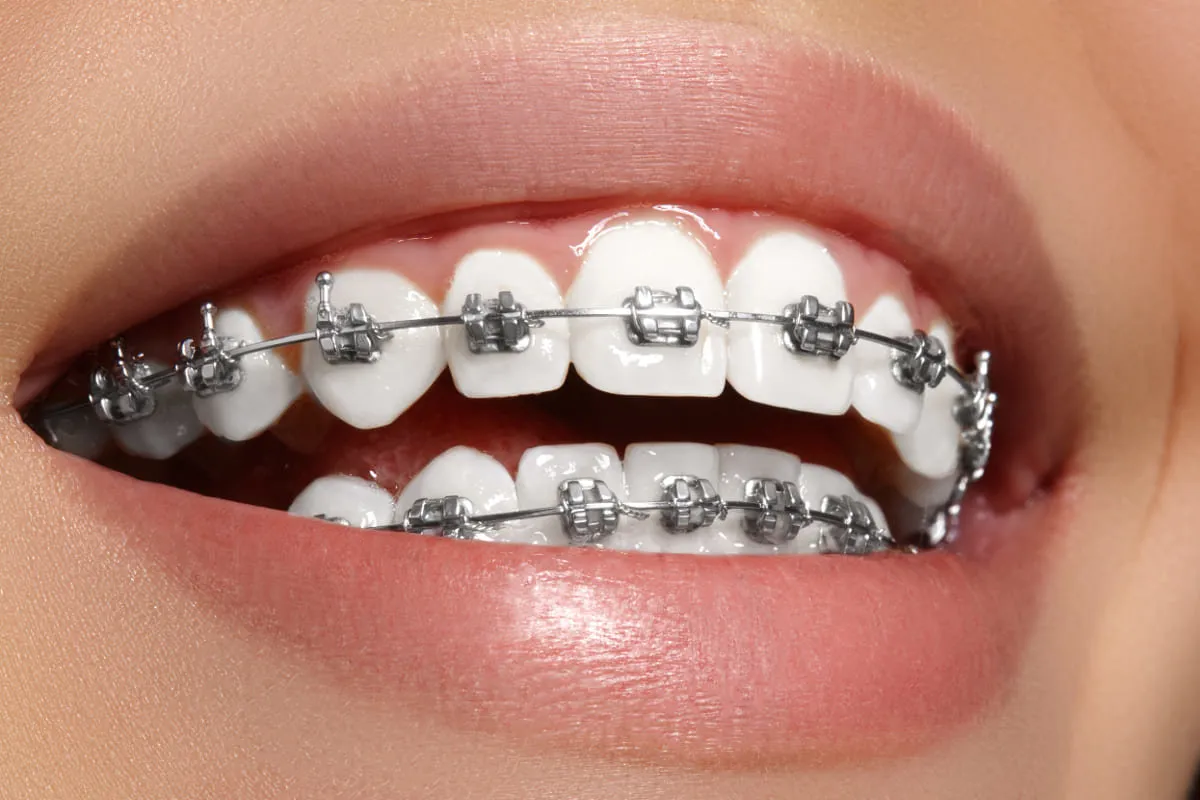
Before diving into a side‑by‑side comparison, it is essential to understand what each system entails. Traditional braces consist of brackets bonded to the teeth and wires that apply continuous pressure to move teeth into alignment. They can be made from metal, ceramic, or a combination of materials, and they are adjusted periodically by an orthodontist.
Invisalign, the most widely recognized clear‑aligner brand, uses a series of custom‑fabricated, removable trays that incrementally shift teeth. Smileset positions its own clear aligner line as a cost‑effective alternative to Invisalign, promising similar aesthetic benefits with a streamlined digital workflow.
Key differences include:
- Manufacturing process: Smileset typically utilizes in‑house 3‑D printing, whereas Invisalign relies on a centralized lab network.
- Treatment planning software: Both employ proprietary digital platforms, but the level of orthodontist oversight can vary.
- Material thickness: Smileset aligners are often slightly thinner, which may affect force delivery.
Understanding these foundational elements helps patients evaluate the orthodontic devices company smileset on invisalign vs braces from a technical standpoint.
Treatment Effectiveness: How Smileset Aligners Compare to Conventional Braces
Clinical effectiveness is the cornerstone of any orthodontic decision. Studies on Invisalign have shown success rates comparable to traditional braces for mild to moderate malocclusions, with a slight edge in complex cases for braces due to their ability to apply multidirectional forces.
Smileset’s aligner system, while newer, reports outcomes that align closely with Invisalign in the treatment of crowding and spacing issues. However, independent peer‑reviewed research on Smileset specifically is limited, making it crucial for patients to seek a qualified orthodontist who can evaluate case suitability.
Below is a comparative table summarizing typical outcomes based on current literature and practitioner observations:
| Metric | Traditional Braces | Smileset Aligners |
|---|---|---|
| Average Treatment Time | 18‑30 months | 12‑24 months (case‑dependent) |
| Precision for Complex Cases | High (able to address severe rotations) | Moderate (best for mild to moderate cases) |
| Compliance Requirement | Low (fixed appliance) | High (must wear 20‑22 hrs/day) |
| Risk of Decalcification | Higher (brackets can trap plaque) | Lower (removable for cleaning) |
When you evaluate the orthodontic devices company smileset on invisalign vs braces, consider the complexity of your case, your ability to maintain disciplined wear time, and the level of direct supervision you desire.
Cost and Convenience: Financial and Lifestyle Considerations
Financial factors often tip the balance between treatment options. Traditional braces typically range from $3,000 to $7,000 depending on material, duration, and geographic location. Invisalign can cost between $4,000 and $8,000, reflecting its brand premium and extensive digital workflow.
Smileset markets its aligner system as a more affordable alternative, with price points often 15‑25 % lower than Invisalign. This reduction stems from in‑house manufacturing and a streamlined supply chain. However, patients should be aware that lower cost does not automatically guarantee equivalent results.
Convenience is another critical dimension. Braces require regular office visits for adjustments, usually every 4‑6 weeks. Aligners, including Smileset’s, are removable, allowing for easier oral hygiene and no dietary restrictions, but they demand strict adherence to wear schedules.
Key cost‑convenience comparison:
- Initial Consultation: Typically free for both options at reputable practices.
- Monthly Payments: Braces often involve a fixed monthly fee; aligners may offer flexible financing plans.
- Travel & Time: Aligners reduce the number of in‑office appointments, saving travel time.
- Insurance Coverage: Many dental plans cover both, but pre‑authorization requirements differ.
By weighing these elements, you can more accurately evaluate the orthodontic devices company smileset on invisalign vs braces in the context of your budget and daily routine.
Comfort, Aesthetics, and Patient Experience
Patient comfort and appearance play a substantial role in treatment satisfaction. Metal braces can cause irritation to the cheeks and gums, especially after adjustments. Ceramic braces offer a less visible alternative but are still noticeable and can be more fragile.
Clear aligners, including those from Smileset, are praised for their near‑invisibility and ability to be removed for eating and brushing. Many patients report less pain overall, though the sensation of pressure when switching to a new tray is common.
From an aesthetic viewpoint, aligners excel in adult and professional settings where discretion is prized. Teenagers, however, may appreciate the “braces look” as a visible sign of commitment to treatment.
Patient experience highlights:
- Speech Impact: Brackets may cause a temporary lisp; aligners usually have a brief adjustment period.
- Oral Hygiene: Aligners can be removed, allowing thorough brushing and flossing; braces require meticulous cleaning around brackets.
- Dietary Restrictions: Braces limit hard or sticky foods; aligners have no restrictions when removed.
When you evaluate the orthodontic devices company smileset on invisalign vs braces, consider how each factor aligns with your personal comfort preferences and lifestyle.
Choosing the Right Path: Factors for Adults and Teens
Both adults and teenagers face unique considerations when selecting an orthodontic solution. Adults often prioritize aesthetics, treatment duration, and the ability to maintain a professional appearance. Teens may value speed, the excitement of visible progress, and parental involvement in cost decisions.
Key decision‑making factors include:
- Severity of Malocclusion: Complex bite issues typically require braces.
- Compliance Potential: Aligners demand disciplined daily wear; younger patients may struggle.
- Oral Health Status: Existing gum disease or cavities should be addressed before starting any orthodontic device.
- Future Dental Plans: If you anticipate other dental work (e.g., implants), coordinate timing with your orthodontist.
Consultation with an experienced orthodontist—such as the team at Gold City Dental—ensures a personalized assessment. They can use digital imaging and predictive software to illustrate expected outcomes for both Smileset aligners and traditional braces, helping you evaluate the orthodontic devices company smileset on invisalign vs braces with a clear visual roadmap.
Why Choose Gold City Dental
Gold City Dental offers a full‑service, patient‑centered approach to orthodontic care. Our team combines state‑of‑the‑art digital imaging with hands‑on expertise to create customized treatment plans—whether you opt for traditional braces or a clear‑aligner system like Smileset. We prioritize comfort, safety, and transparent communication, ensuring every family member receives the highest standard of oral health care.
Ready to start your smile transformation? Contact Gold City Dental today to schedule a comprehensive orthodontic evaluation and discover which treatment aligns with your goals and lifestyle.
Call us at (555) 123‑4567 or fill out our online request form—your perfect smile is just a step away.
FAQ
What are the main differences between Smileset aligners and traditional braces?
Smileset aligners are removable, clear trays made with in‑house 3‑D printing, while traditional braces are fixed brackets and wires attached to the teeth.
How does the treatment time compare for Smileset aligners versus braces?
Typical Smileset treatment lasts 12‑24 months, whereas braces usually require 18‑30 months.
Are Smileset aligners a cheaper option than Invisalign and braces?
Yes, Smileset aligners are generally 15‑25% less expensive than Invisalign and can be cheaper than many brace plans.
What level of patient compliance is required for Smileset aligners?
Patients must wear Smileset aligners 20‑22 hours per day for optimal results.
How do comfort and aesthetics differ between Smileset aligners and braces?
Aligners are generally more comfortable and virtually invisible, while braces can cause irritation and are more noticeable.
What should adults consider when choosing between Smileset aligners and braces?
Adults should weigh aesthetics, treatment duration, cost, and their ability to wear aligners consistently.