

Understanding how can you prevent gum disease is essential for anyone who wants to protect their smile and overall health. Gum disease, which includes gingivitis and periodontitis, affects millions of adults worldwide and can lead to tooth loss if left untreated. By adopting a proactive approach, you can keep your gums strong, reduce inflammation, and avoid costly dental procedures.
In this article we will explore the most reliable methods to guard against gum disease, from daily oral hygiene habits to professional dental care and lifestyle adjustments. Whether you’re dealing with occasional bleeding gums or looking to prevent receding gums, the steps outlined here will help you maintain optimal oral health.
Recent studies show that regular flossing and proper brushing can lower the risk of gingivitis by up to 40 %. Additionally, a balanced diet rich in vitamins and minerals supports the body’s natural defenses against infection. By integrating these proven practices into your routine, you’ll answer the question of how can you prevent gum disease with confidence.
Let’s dive into the science behind gum health and discover practical, evidence‑based techniques that you can start using today.
Understanding Gum Health: Causes and Early Signs
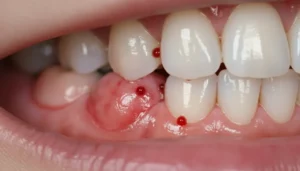
Gum disease begins with plaque, a sticky film of bacteria that forms on teeth after meals. When plaque isn’t removed through brushing and flossing, it hardens into tartar, which irritates the gum line and leads to inflammation. Early signs include swollen gums, bleeding during brushing, and a persistent bad taste.
Key risk factors for gingivitis and periodontitis include poor oral hygiene, smoking, uncontrolled diabetes, and certain medications that reduce saliva flow. Recognizing these triggers early allows you to intervene before the condition progresses to more serious stages such as gum recession and tooth mobility.
Below is a quick reference of common symptoms and what they may indicate:
- Bleeding gums – often a sign of gingivitis.
- Red, swollen gums – inflammation due to plaque buildup.
- Persistent bad breath – bacterial by‑products.
- Receding gums – exposure of tooth roots, a sign of periodontitis.
- Painful chewing – possible deep infection.
By staying alert to these early cues, you can effectively answer the question of how can you prevent gum disease before it becomes a chronic problem.
Daily Oral Hygiene Practices That Prevent Gum Disease
A solid oral hygiene routine is the cornerstone of gum disease prevention. The American Dental Association recommends brushing twice daily with a fluoride toothpaste and flossing at least once a day. Using an electric toothbrush can improve plaque removal by up to 40 % compared to a manual brush.
Here are the essential steps to maximize your daily care:
- Brush correctly: Hold the brush at a 45‑degree angle to the gum line, using short, gentle strokes.
- Floss daily: Glide the floss beneath the gum line and between each tooth to dislodge hidden plaque.
- Use an antimicrobial mouthwash: Rinse for 30 seconds to reduce bacterial load and freshen breath.
- Replace your toothbrush every three months or sooner if bristles become frayed.
- Consider interdental brushes for wider spaces where floss may miss plaque.
For those prone to gingivitis, a soft‑bristled brush and a gentle, circular motion can minimize gum irritation. Incorporating these habits consistently answers the query of how can you prevent gum disease by removing the primary cause—plaque.
Nutrition and Lifestyle Choices for Strong Gums
What you eat plays a pivotal role in your gum’s ability to resist infection. Vitamins C and D, calcium, and omega‑3 fatty acids are especially important for maintaining healthy connective tissue and bone support around teeth.
Incorporate these nutrient‑dense foods into your diet:
- Vitamin C: Citrus fruits, strawberries, bell peppers—helps collagen formation and reduces inflammation.
- Calcium: Dairy products, fortified plant milks, leafy greens—strengthens bone and tooth structure.
- Vitamin D: Fatty fish, egg yolks, sunlight exposure—enhances calcium absorption.
- Omega‑3 fatty acids: Salmon, walnuts, chia seeds—combat gum inflammation.
- Fiber: Whole grains, beans, and vegetables stimulate saliva flow, which naturally cleanses the mouth.
Limiting sugary snacks and acidic beverages also reduces plaque formation. Smoking, on the other hand, impairs blood flow to gum tissue, making it harder for the body to fight infection. By adopting a balanced diet and avoiding tobacco, you provide your gums with the resources they need to stay healthy, directly addressing how can you prevent gum disease.
Professional Care: Cleanings, Exams, and Early Intervention
Even the most diligent home care cannot remove all plaque, especially below the gum line. Regular dental visits provide a critical line of defense against gum disease. The typical recommendation is a professional cleaning every six months, though patients with a history of periodontal disease may need more frequent appointments.
During a dental exam, the dentist evaluates gum health using a periodontal probe to measure pocket depths. Healthy gums have pockets of 1–3 mm; deeper pockets suggest early periodontitis. Early detection enables targeted treatments such as scaling and root planing, which can halt disease progression.
Below is a comparison of cleaning intervals based on risk level:
| Risk Level | Recommended Cleaning Frequency | Additional Measures |
|---|---|---|
| Low (no gum issues) | Every 6 months | Standard oral hygiene |
| Moderate (mild gingivitis) | Every 4 months | Antimicrobial mouthwash, targeted flossing |
| High (periodontitis, receding gums) | Every 3 months | Scaling & root planing, possible antibiotics |
By following a schedule tailored to your personal risk profile, you effectively answer the question of how can you prevent gum disease through professional intervention.
Managing Risk Factors: Smoking, Medications, and Genetics
Some risk factors for gum disease are beyond personal control, such as genetics or certain medications that reduce saliva flow. However, you can mitigate many external influences.
Key strategies include:
- Quit smoking: Tobacco constricts blood vessels, reducing nutrients to gum tissue and impairing healing.
- Stay hydrated: Adequate saliva helps neutralize acids and wash away food particles.
- Discuss medication side effects with your dentist; alternatives or adjunctive treatments may be available.
- Maintain regular check‑ups to monitor any genetic predisposition to periodontal disease.
- Manage systemic conditions like diabetes, which can exacerbate gum inflammation.
Addressing these factors creates a comprehensive defense against gum disease, giving you a clear answer to how can you prevent gum disease even when challenges arise.
Why Choose Gold City Dental
At Gold City Dental, our team combines state‑of‑the‑art technology with personalized treatment plans to keep your gums healthy for life. We offer preventive services such as gentle cleanings, thorough examinations, and tailored education on oral hygiene. Our compassionate professionals are dedicated to early detection of gum disease, ensuring timely and effective care.
Whether you’re seeking routine maintenance or advanced periodontal therapy, Gold City Dental provides a one‑stop solution for all your oral health needs, backed by a commitment to comfort and excellence.
Ready to protect your smile? Schedule a comprehensive gum health exam with Gold City Dental today and take the first step toward lasting oral wellness.
Call us or use our online booking system to reserve your appointment—your gums will thank you.
FAQ
What are the early signs of gum disease?
Early signs include bleeding gums, swollen or red gums, persistent bad breath, receding gums, and pain while chewing.
How often should I brush and floss to prevent gum disease?
Brush twice a day with a fluoride toothpaste and floss at least once daily.
Which foods support healthy gums?
Vitamin‑C‑rich fruits, calcium‑rich dairy, vitamin‑D sources, omega‑3 fatty acids, and high‑fiber foods help keep gums strong.
How does smoking affect gum health?
Smoking reduces blood flow to gums, impairs healing, and increases the risk of periodontal disease.
When should I schedule a professional dental cleaning?
Most people need a cleaning every six months; higher‑risk patients may need every three to four months.
What is the difference between gingivitis and periodontitis?
Gingivitis is inflammation of the gums without bone loss; periodontitis includes gum recession and bone damage.