
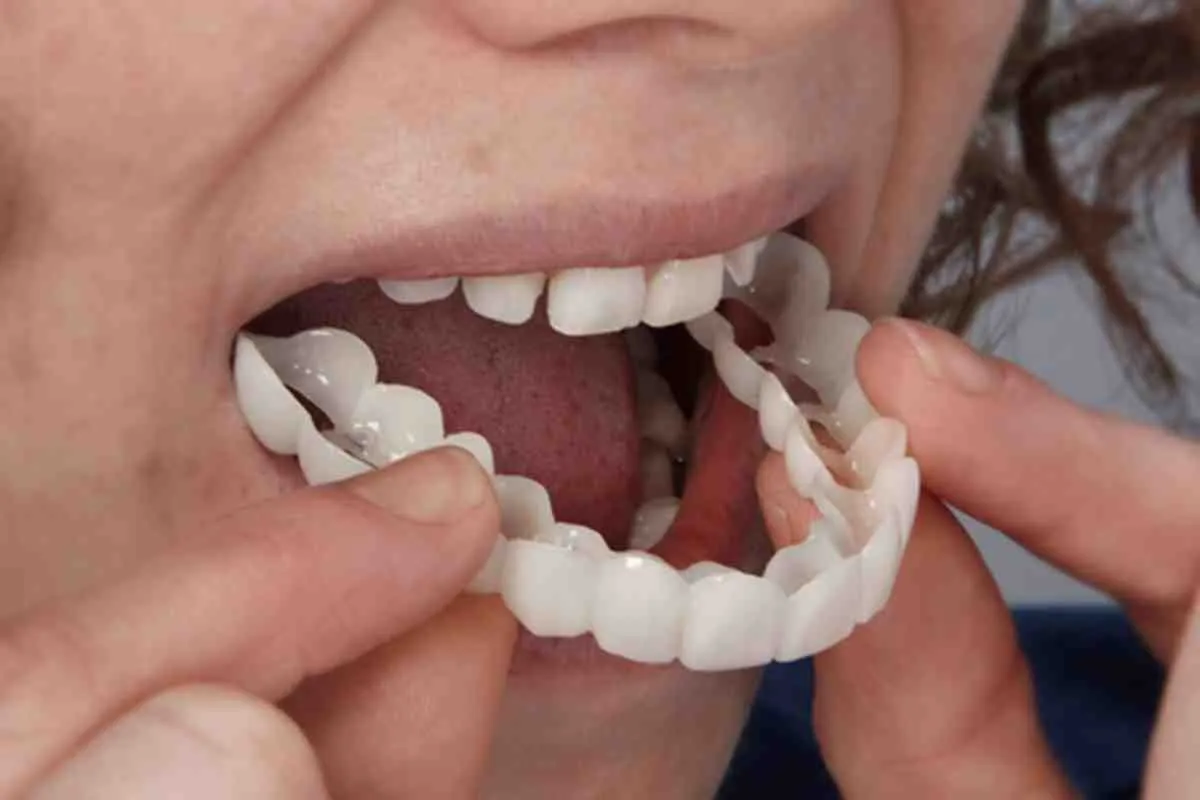
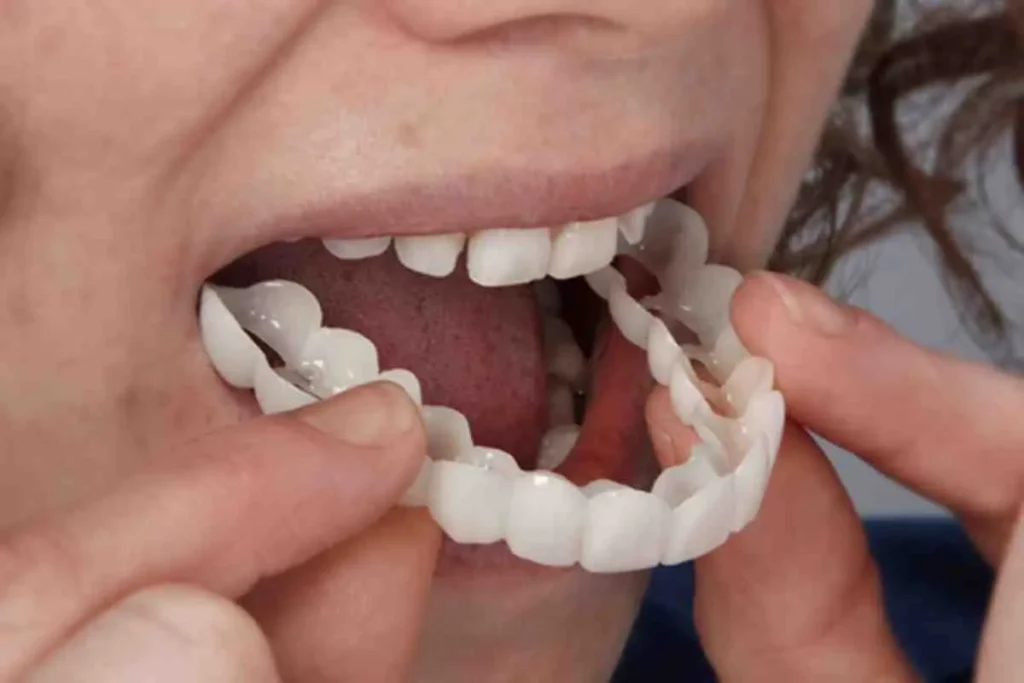
The veneer definition is essential for anyone considering a smile makeover, especially when the goal is a natural‑looking, long‑lasting result. In dentistry, a veneer is a thin shell of material—typically porcelain or composite—custom‑crafted to cover the front surface of a tooth. This article explains what veneers are, how they work, and why they have become a cornerstone of modern cosmetic dentistry. According to the American Academy of Cosmetic Dentistry, more than 10 million people in the United States have received veneers, highlighting their popularity as a minimally invasive solution for aesthetic concerns.
We’ll walk through the different types of veneers, the step‑by‑step procedure, after‑care recommendations, and the benefits that set veneers apart from other restorative options. Whether you’re dealing with discoloration, chips, gaps, or misalignment, understanding the veneer definition will help you make an informed decision about your oral health and smile goals.
By the end of this guide, you’ll know exactly what to expect from the treatment, how to maintain your results, and why choosing a qualified provider like Gold City Dental can ensure a safe, comfortable, and beautiful outcome.
What Is a Dental Veneer?
A dental veneer is a custom‑designed, wafer‑thin covering that adheres to the front of a tooth to improve its appearance. The most common materials are porcelain veneer and composite veneer, each offering distinct advantages in terms of durability, translucency, and cost.
Types of Veneers
- Porcelain Veneers: Known for their natural light transmission, they resist stains and can last 10–15 years with proper care.
- Composite Veneers: Applied directly to the tooth in a single visit, they are more affordable but may require replacement sooner.
- Pre‑fabricated Veneers: Ready‑made shells that can be placed quickly, often used for minor cosmetic corrections.
Materials and Their Properties
| Material | Strength | Stain Resistance | Typical Longevity |
|---|---|---|---|
| Porcelain | High | Excellent | 10‑15 years |
| Composite | Moderate | Good | 5‑7 years |
The veneer definition also includes the concept of minimal tooth preparation. Modern techniques often require removing only 0.3–0.5 mm of enamel, preserving most of the natural tooth structure.
Benefits of Getting Veneers
Choosing veneers offers several advantages over alternative cosmetic treatments. Below are the primary benefits that make veneers a popular option for patients seeking a quick yet lasting transformation.
Key Advantages
- Instant Aesthetic Improvement: Veneers can mask discoloration, chips, and gaps in a single appointment.
- Natural Appearance: Porcelain mimics the light‑reflecting properties of real tooth enamel, creating a seamless look.
- Durability: With proper oral hygiene, veneers resist wear and maintain their shine for many years.
- Stain Resistance: Unlike natural enamel, high‑quality porcelain does not absorb coffee, tea, or tobacco stains.
- Conservative Preparation: Minimal enamel removal preserves tooth integrity compared to crowns.
Patients often report a boost in confidence after receiving veneers, as the treatment addresses both functional and aesthetic concerns. In addition, veneers can improve bite alignment slightly, reducing strain on surrounding teeth.
The Veneer Procedure: Step‑by‑Step
Understanding the veneer procedure helps alleviate anxiety and sets realistic expectations. The process typically involves three main phases: consultation, preparation, and placement.
1. Initial Consultation
- Comprehensive oral examination and discussion of aesthetic goals.
- Digital smile design or mock‑up to visualize the final outcome.
- Selection of veneer material based on budget and desired longevity.
2. Tooth Preparation
Minimal enamel is removed using a fine dental bur. For porcelain veneers, the reduction is usually 0.3–0.5 mm. In some cases, a no‑prep technique is possible, especially with ultra‑thin composite veneers.
3. Impression and Fabrication
Precise impressions are taken and sent to a dental laboratory where the veneer is custom‑crafted. This stage typically takes 1–2 weeks for porcelain veneers.
4. Placement
- Temporary cement is used to test fit and shade.
- Once approved, the veneer is bonded with a permanent resin cement under a curing light.
- Final adjustments are made to ensure proper bite and comfort.
After placement, the dentist checks for any high spots and polishes the veneer to achieve a glossy finish. The entire process, from consultation to final placement, usually spans 2–3 appointments.
Caring for Your Veneers
Proper maintenance extends the life of veneers and keeps them looking their best. While veneers are resistant to stains, they still benefit from diligent oral hygiene and routine dental visits.
Daily Care Routine
- Brush twice daily with a non‑abrasive fluoride toothpaste.
- Floss daily to remove plaque from the gum line.
- Avoid using teeth as tools (e.g., opening packages).
Dietary Considerations
Although porcelain is strong, it can chip under excessive force. Limit chewing on hard foods such as ice, popcorn kernels, or hard candy. Staining foods and beverages (coffee, red wine, turmeric) have minimal impact on porcelain but may affect composite veneers.
Professional Maintenance
Schedule regular check‑ups every six months. Your dentist will inspect the bonding, polish the surface if needed, and address any wear early. If a veneer becomes damaged, it can often be repaired or replaced without extensive tooth alteration.
Common Questions & Myths About Veneers
Many patients have concerns before committing to veneer treatment. Below are answers to frequent questions and clarifications of common misconceptions.
Are veneers reversible?
Because a small amount of enamel is removed, veneers are considered a permanent alteration. However, if needed, the veneer can be removed and the tooth restored with a crown or other restoration.
Do veneers require special cleaning?
No special products are needed; standard brushing and flossing are sufficient. Avoid abrasive whitening strips, as they can wear the veneer surface.
Will veneers look natural?
High‑quality porcelain veneers are designed to mimic natural tooth translucency and color gradients, making them virtually indistinguishable from real teeth.
Can veneers fix bite problems?
Veneers can slightly improve minor alignment issues but are not a substitute for orthodontic treatment in significant bite cases.
Understanding these points helps set realistic expectations and ensures you feel confident in your decision.
Why Choose Gold City Dental
Gold City Dental combines state‑of‑the‑art technology with a patient‑focused approach, making us a trusted provider for veneer treatments. Our team of experienced cosmetic dentists custom‑design each veneer to match your natural tooth shade, ensuring a seamless, radiant smile. We prioritize comfort, safety, and long‑term oral health, offering comprehensive after‑care and regular follow‑ups to keep your veneers looking flawless for years.
Ready to transform your smile with expertly crafted veneers? Contact Gold City Dental today to schedule your personalized consultation and take the first step toward a brighter, more confident you.
FAQ
What is a dental veneer?
A dental veneer is a thin, custom‑made shell that covers the front of a tooth to improve its appearance.
What are the different types of veneers?
The main types are porcelain veneers, composite veneers, and pre‑fabricated veneers.
How long do porcelain and composite veneers typically last?
Porcelain veneers last about 10‑15 years, while composite veneers last around 5‑7 years.
What is the step‑by‑step procedure for getting veneers?
The process includes consultation, tooth preparation, impression/fabrication, and placement.
How should I care for my veneers to keep them looking great?
Brush twice daily with non‑abrasive toothpaste, floss daily, avoid hard foods, and see your dentist regularly.
Are veneers reversible, and can they be removed if needed?
Veneers involve permanent enamel removal, so they are not fully reversible, but they can be replaced or removed.