
When it comes to achieving a brighter smile at home, many people turn to 3d white strips. These thin, flexible films promise a convenient, over‑the‑counter solution that rivals professional treatments. But how exactly do they work, and are they right for you?
According to recent surveys, over 40% of adults who use at‑home whitening products choose a strip‑based system because it fits easily into a busy lifestyle. Yet confusion remains about proper application, safety, and realistic results. This article breaks down the science behind the strips, walks you through step‑by‑step usage, highlights potential benefits and risks, and helps you decide when a dentist‑supervised whitening session might be a better choice.
Read on to empower your smile‑care decisions with clear, evidence‑based information from Gold City Dental.
What Are 3D White Strips and How Do They Differ from Traditional Whitening Products?
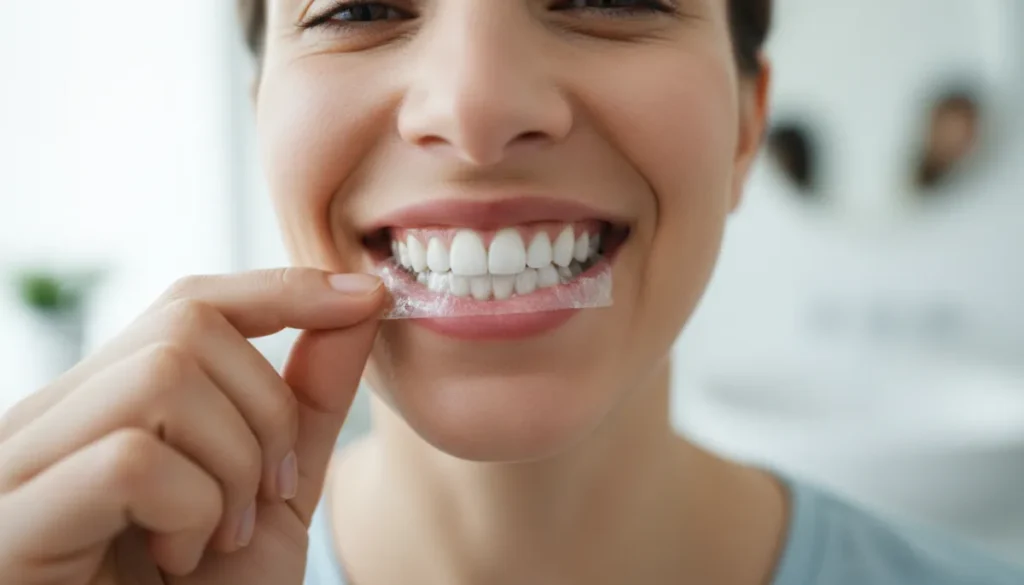
3d white strips are a type of at‑home whitening system that combines a thin polymer film with a peroxide‑based gel. The “3D” label refers to the strip’s ability to conform to the three‑dimensional shape of each tooth, ensuring even contact and more consistent results compared with older, flat‑strip designs.
Traditional whitening products include:
- Whitening toothpaste – low‑concentration abrasives for daily use.
- Whitening gels applied with trays – higher peroxide levels but require custom fitting.
- LED or laser kits – combine a gel with a light source to accelerate the reaction.
In contrast, 3D strips offer a balance of convenience and potency. They typically contain 6–10% hydrogen peroxide, enough to lift surface stains without the need for a dental visit.
| Feature | 3D White Strips | Whitening Trays | LED Kits |
|---|---|---|---|
| Application Time | 30 minutes daily (5‑7 days) | 15‑30 minutes daily (10‑14 days) | 10‑15 minutes per session |
| Peroxide Concentration | 6‑10% | 10‑22% | 5‑12% (light‑activated) |
| Customization | Pre‑shaped, fits most mouths | Custom‑fit trays (professional) | One‑size‑fits‑all mouthpiece |
| Cost (average) | $30‑$45 per box | $100‑$250 (incl. dentist) | $80‑$150 |
Because the strips are pre‑cut and pre‑shaped, they eliminate the mess and guesswork associated with gels and trays. For those seeking a “great whitening” experience without a dental appointment, they are a popular choice.
How to Use 3D White Strips Correctly for Safe and Effective Results
Proper technique is essential to maximize the whitening effect while minimizing sensitivity. Follow these steps each day you use the product:
- Read the instructions – Every brand may have slight variations in application time.
- Brush gently – Remove plaque but avoid abrasive toothpaste that could irritate enamel.
- Dry the teeth – Use a clean towel or let them air‑dry for a few seconds.
- Apply the strip – Align the gel‑coated side with the front of each tooth, pressing gently to ensure full coverage.
- Leave on for the recommended time – Typically 30 minutes; do not exceed the limit.
- Remove and discard – Peel off the strip, then rinse your mouth with water.
- Maintain oral hygiene – Continue regular brushing and flossing.
Consistency matters. Most manufacturers suggest a 5‑ to 7‑day regimen for noticeable results. Skipping days can lead to uneven whitening.
| Day | Application Time | Expected Shade Change |
|---|---|---|
| 1‑2 | 30 min | Subtle brightening (1‑2 shades) |
| 3‑4 | 30 min | Noticeable lift (2‑3 shades) |
| 5‑7 | 30 min | Full result (3‑4 shades) |
If you experience mild tooth sensitivity, try reducing the wear time by 5‑10 minutes or using a desensitizing toothpaste before the next application. Persistent pain should prompt a visit to your dentist.
Potential Benefits and Risks of At‑Home Whitening with 3D White Strips
When used correctly, 3d white strips can deliver a noticeable improvement in tooth color without the cost of a professional procedure. Key benefits include:
- Convenience – No appointments, simple daily routine.
- Affordability – Typically less than one‑quarter the price of in‑office bleaching.
- Predictable results – Most users see a 2‑4 shade improvement.
- Safety – FDA‑cleared formulations with controlled peroxide levels.
However, there are risks to consider:
| Risk | Likelihood | Mitigation |
|---|---|---|
| Tooth sensitivity | Common (10‑30% of users) | Use desensitizing toothpaste, shorten wear time. |
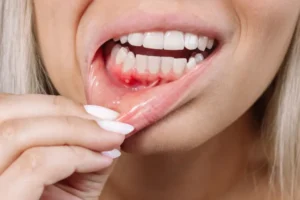
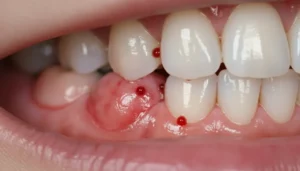
| Gum irritation | Occasional | Ensure strips do not extend beyond the gum line. |
| Uneven whitening | Rare | Follow consistent daily schedule; avoid skipping days. |
| Over‑bleaching | Very rare | Do not exceed recommended treatment length. |
People with existing dental restorations (crowns, veneers) may notice a color mismatch, as the strips only affect natural enamel. In such cases, a professional consultation can provide tailored solutions.
When to Choose Professional Dental Whitening Over Over‑the‑Counter Strips
While 3d white strips are effective for many, certain situations warrant a dentist‑supervised approach. Consider professional whitening if you:
- Desire a dramatic shade change (more than 4 levels).
- Have extensive dental work that may not respond uniformly to strips.
- Experience persistent sensitivity despite at‑home precautions.
- Prefer a faster turnaround—some in‑office systems deliver results in a single visit.
| Criteria | At‑Home Strips | Professional Whitening |
|---|---|---|
| Shade improvement | 2‑4 shades | 5‑8 shades |
| Treatment duration | 1‑2 weeks | 1‑2 hours |
| Cost | $30‑$45 | $300‑$800 |
| Customization | Standard fit | Custom trays & targeted gel |
Gold City Dental offers both in‑office bleaching and custom‑fit whitening trays, allowing you to achieve optimal results while maintaining enamel health. Our team can evaluate your oral condition and recommend the safest, most effective plan.
Caring for Your Teeth After Using 3D White Strips: Maintenance Tips
Maintaining the results of your whitening regimen is essential for a lasting smile. Follow these post‑treatment habits:
- Avoid staining foods and drinks for 24‑48 hours (coffee, tea, red wine, berries).
- Use a straw for acidic beverages to reduce contact with enamel.
- Brush with a non‑abrasive, whitening‑friendly toothpaste.
- Floss daily to prevent plaque buildup that can dull brightness.
- Schedule regular dental cleanings – professional polishing helps retain shade.
- Consider touch‑up strips every 3‑6 months if you notice gradual dulling.
Regular dental check‑ups also allow your dentist to monitor enamel health and address any emerging concerns early. If you notice persistent discoloration or sensitivity, a professional evaluation can determine whether a supplemental in‑office treatment is advisable.
Why Choose Gold City Dental for Your Whitening Needs
Gold City Dental combines state‑of‑the‑art technology with personalized care to deliver safe, effective whitening results. Our team evaluates your unique oral health profile, recommends the most suitable method—whether it’s 3d white strips guidance, custom‑fit trays, or in‑office bleaching—and monitors progress to ensure optimal outcomes. With a commitment to comfort and long‑term oral health, we help you achieve a radiant smile you can trust.
Ready to brighten your smile? Contact Gold City Dental today to schedule a complimentary consultation and learn which whitening solution is best for you.
Call now or visit our office for a personalized treatment plan that puts your confidence first.
FAQ
How do 3D white strips work to whiten teeth?
3D white strips contain a peroxide‑based gel that penetrates enamel and breaks down stain molecules, lightening the tooth surface.
How long should I wear 3D white strips each day?
Most brands recommend 30 minutes per day for a 5‑7 day treatment course.
What are the common side effects of using 3D white strips?
The most frequent side effects are temporary tooth sensitivity and mild gum irritation.
How do 3D white strips compare to professional dental whitening?
3D strips are less expensive and convenient but generally achieve 2‑4 shade improvements, while professional treatments can deliver 5‑8 shades in a single visit.
Can I use 3D white strips if I have dental crowns or veneers?
The strips will not change the color of crowns or veneers, which can lead to a mismatch with the newly whitened natural teeth.
How often should I use touch‑up strips after the initial treatment?
Most dentists recommend a touch‑up cycle every 3‑6 months, depending on diet and oral hygiene habits.