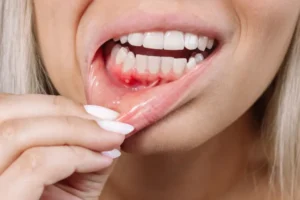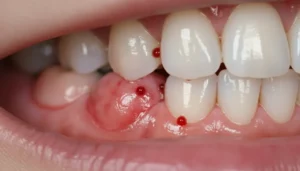

Finding the best electric toothbrush dentist recommended can transform your daily oral care routine. With advances in sonic and oscillating‑rotating technology, an electric toothbrush can remove up to 10 times more plaque than a manual brush, helping prevent cavities and gum disease. Yet many patients are unsure which device truly delivers the results dentists trust.
In this article we’ll explore how dental professionals evaluate electric toothbrushes, highlight the leading technologies on the market, and guide you through choosing a brush that fits your lifestyle and oral‑health goals. Whether you’re a first‑time user or looking to upgrade, understanding the science behind these tools empowers you to make an informed decision.
We’ll also cover proper brushing techniques, maintenance tips, and why integrating a dentist‑recommended electric toothbrush into your routine is a smart investment for a healthier smile.
How Dentists Evaluate Electric Toothbrushes
Dental practitioners assess electric toothbrushes using several evidence‑based criteria. The primary focus is on how effectively a device removes plaque and reduces gingivitis, which are key indicators of oral health.
- Plaque removal efficiency – Measured in clinical trials using plaque‑disclosing agents.
- Gingival health impact – Reduction in bleeding and inflammation after consistent use.
- Brush head design – Bristle arrangement, softness, and compatibility with orthodontic appliances.
- Cleaning modes – Standard, gum‑care, sensitive, and whitening modes provide tailored cleaning.
- Battery life and charging convenience – Important for compliance, especially for travel.
- Pressure sensors – Prevent excessive force that can damage enamel and gums.
Research consistently shows that the best electric toothbrush dentist recommended includes a pressure sensor and multiple cleaning modes, allowing patients to customize their brushing experience while protecting delicate tissues.
When evaluating a specific model, dentists also consider the brand’s reputation for quality control and the availability of replacement heads, ensuring long‑term effectiveness.
Leading Electric Toothbrush Technologies
Two dominant technologies dominate the market: oscillating‑rotating (often associated with Oral‑B) and sonic (commonly linked to Philips Sonicare). Both have been validated by dental research, but each offers distinct benefits.
Oscillating‑Rotating Systems
These brushes feature a small round head that rotates in one direction and then the opposite, combined with pulsations that break up plaque. The motion mimics the manual circular technique taught by many dentists, making it intuitive for patients transitioning from a manual brush.
Sonic Systems
Sonic brushes vibrate at high frequencies—up to 62,000 brush strokes per minute—creating fluid dynamics that help dislodge plaque beyond the bristles’ reach. This technology is especially effective for reaching interproximal areas and along the gumline.
When selecting the best electric toothbrush dentist recommended, consider your personal brushing style, any orthodontic appliances, and sensitivity concerns. Sonic devices often excel for deep cleaning, while oscillating‑rotating models may feel more comfortable for users with limited dexterity.
Choosing the Right Brush for Your Needs
Not every electric toothbrush suits every mouth. Below is a comparison table that helps you match key features with common oral‑health priorities.
| Feature | Oscillating‑Rotating (e.g., Oral‑B) | Sonic (e.g., Philips Sonicare) |
|---|---|---|
| Brush head size | Small, round – ideal for precise control | Elongated, oval – covers more surface per sweep |
| Strokes per minute | ~8,800 oscillations | ~62,000 vibrations |
| Pressure sensor | Yes, alerts when pressure is too high | Often included, varies by model |
| Best for braces | Yes – small head navigates brackets | Good – sonic fluid action reaches around wires |
| Battery life | Up to 2 weeks on a full charge | Up to 3 weeks on a full charge |
When you ask a dental professional for the best electric toothbrush dentist recommended, they’ll likely suggest a model that offers a pressure sensor, multiple cleaning modes, and an easy‑to‑replace head system. For patients with sensitive gums, a soft‑bristle head combined with a gentle mode is essential.
Consider also your daily routine: if you travel frequently, a compact, rechargeable brush with a travel case may be more convenient than a bulkier unit.
Proper Brushing Technique with an Electric Toothbrush
Even the most advanced brush won’t deliver results if used incorrectly. Follow these dentist‑approved steps to maximize plaque removal while protecting enamel.
- Apply a pea‑sized amount of fluoride toothpaste to the brush head.
- Place the brush at a 45° angle to the gumline.
- Turn the device on and let the bristles do the work—avoid scrubbing.
- Guide the brush slowly across each tooth surface for 2 seconds, then move to the next.
- Spend at least 30 seconds on each quadrant (upper right, upper left, lower right, lower left).
- Use the timer or pacer feature—most modern brushes signal a 30‑second interval.
- Finish with a gentle gum‑massage mode if your brush offers one.
Research indicates that using the best electric toothbrush dentist recommended with a proper technique reduces plaque scores by up to 40 % compared with manual brushing. Remember to replace the brush head every three months or sooner if the bristles become frayed.
Maintaining Your Electric Toothbrush for Longevity
Regular maintenance ensures your device remains effective and hygienic. Follow these simple steps:
- Rinse the brush head thoroughly after each use to remove toothpaste residue.
- Store the brush upright in a dry area to prevent bacterial growth.
- Periodically clean the handle with a damp cloth—avoid submerging the battery compartment.
- Disinfect the brush head once a week using a 0.12% chlorhexidine solution or a UV‑sanitizing case.
- Charge the unit according to the manufacturer’s guidelines; over‑charging can reduce battery lifespan.
By caring for your device, the best electric toothbrush dentist recommended will continue to deliver consistent cleaning power, helping you maintain the oral health standards your dentist emphasizes.
Why Choose Gold City Dental
At Gold City Dental we combine cutting‑edge technology with personalized care to support your oral‑health journey. Our team stays current on the latest dental research, ensuring you receive evidence‑based recommendations—including the most effective electric toothbrushes for your unique needs. From preventive cleanings to customized treatment plans, we are your one‑stop solution for lasting smiles.
Ready to upgrade your brushing routine? Schedule a complimentary oral‑health consultation with Gold City Dental today and receive personalized guidance on the best electric toothbrush dentist recommended for you. Call us or book online to take the first step toward a brighter, healthier smile.
FAQ
How do dentists evaluate electric toothbrushes?
Dentists assess toothbrushes based on plaque removal efficiency, impact on gingival health, brush‑head design, cleaning modes, battery life, and pressure‑sensor technology.
What are the main differences between sonic and oscillating‑rotating toothbrushes?
Sonic brushes vibrate at high frequencies to create fluid dynamics, while oscillating‑rotating brushes use a small round head that spins and pulsates to break up plaque.
Which features should I look for in a dentist‑recommended electric toothbrush?
Key features include a pressure sensor, multiple cleaning modes, compatible brush‑head options, good battery life, and an easy‑to‑replace head system.
How often should I replace the brush head on an electric toothbrush?
Replace the brush head every three months, or sooner if the bristles become frayed or worn.
What is the proper brushing technique with an electric toothbrush?
Use a pea‑sized toothpaste amount, hold the brush at a 45° angle to the gumline, let the bristles do the work, and spend about 30 seconds per quadrant.
How can I maintain my electric toothbrush for long‑term use?
Rinse the head after each use, store upright, clean the handle periodically, disinfect the head weekly, and follow proper charging guidelines.