
Many people wonder whether bread soda for teeth is a viable home remedy for a brighter smile. This article explores the science, safety, and practical steps behind using bread soda as a natural whitening agent. With over 1,900 monthly searches, the interest in this DIY approach reflects a broader desire for affordable, chemical‑free oral care solutions.
While traditional whitening products often rely on strong bleaching agents, bread soda—essentially a form of baking soda—offers a milder abrasive that can help remove surface stains without harsh chemicals. Understanding how it works, how it compares to commercial options, and when professional supervision is needed will empower you to make informed decisions about your oral health.
We’ll cover the chemistry behind the whitening effect, safe at‑home techniques, potential risks, and complementary habits that enhance results. By the end of this guide, you’ll know whether bread soda for teeth fits into your daily routine and how Gold City Dental can support your journey toward a healthier, whiter smile.
Understanding Bread Soda and Its Role in Oral Care
Bread soda is chemically identical to the more familiar baking soda (sodium bicarbonate). It is a mild alkaline powder that can neutralize acids in the mouth, helping to protect enamel from erosion. When mixed with water to form a paste, it gently scrubs away extrinsic stains caused by coffee, tea, or tobacco.
Key benefits include:
- Neutralizing plaque‑producing acids.
- Polishing enamel without excessive abrasion.
- Providing a low‑cost alternative to commercial whitening kits.
However, it is important to recognize that bread soda does not change the intrinsic color of dentin, which means deep discolorations may require professional treatment.
| Property | Bread Soda | Commercial Whitening Gel |
|---|---|---|
| Active Ingredient | Sodium Bicarbonate | Hydrogen Peroxide (10‑35%) |
| pH Level | ≈9 (alkaline) | ≈3‑4 (acidic) |
| Potential Sensitivity | Low | Moderate‑High |
| Cost per Use | Less than $0.05 | $0.30‑$0.60 |
Overall, bread soda offers a gentle, budget‑friendly option for surface stain removal, making it a popular choice among those seeking natural teeth whitening methods.
How Bread Soda Compares to Traditional Baking Soda Toothpaste
Although bread soda and standard baking soda share the same chemical composition, their formulation in dental products can affect performance. Commercial baking soda toothpaste often includes fluoride, flavoring agents, and mild abrasives to enhance cleaning efficiency and user experience.
When used alone, bread soda provides a more concentrated abrasive action, which can be advantageous for stubborn stains but may increase the risk of enamel wear if overused. Below is a quick comparison:
- Concentration: Pure bread soda offers higher sodium bicarbonate content than most toothpaste blends.
- Fluoride Content: Toothpaste typically contains fluoride for cavity protection; bread soda does not.
- Flavor & Texture: Toothpaste is formulated for pleasant taste and smoother texture, whereas bread soda paste can feel gritty.
For those who ask “how to whiten teeth with baking soda,” the answer often lies in a balanced approach: using bread soda occasionally for stain removal while relying on fluoride toothpaste for daily protection.
Safe At‑Home Techniques for Using Bread Soda on Teeth
To achieve effective results while minimizing risks, follow these evidence‑based steps when incorporating bread soda into your oral hygiene routine.
Creating the Paste
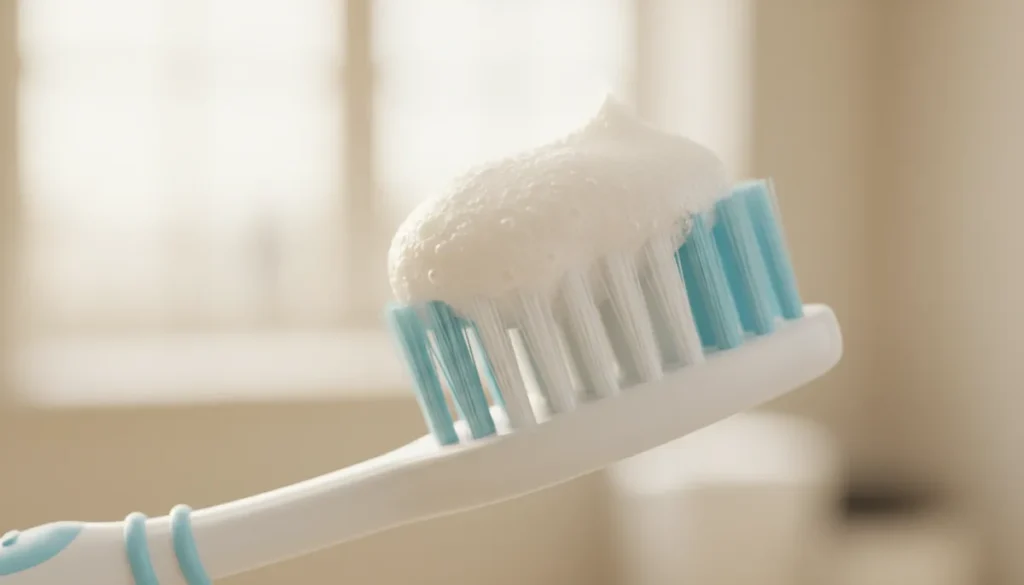
- Mix one teaspoon of bread soda with a few drops of water until a smooth paste forms.
- Add a tiny amount of hydrogen peroxide (1‑2%) for enhanced whitening, but limit the mixture to once a week.
- Optionally, blend in a pinch of sea salt for additional polishing power.
Application Guidelines
- Use a soft‑bristled toothbrush to apply the paste gently.
- Brush for no more than two minutes, focusing on the outer surfaces of the teeth.
- Rinse thoroughly with water and follow with fluoride toothpaste to restore mineral balance.
Studies on how to whiten teeth naturally suggest limiting abrasive treatments to 2‑3 times per month to prevent enamel thinning. If you experience heightened sensitivity, discontinue use and consult a professional.
Potential Risks and When to Seek Professional Help
While bread soda is generally safe, misuse can lead to enamel abrasion, gum irritation, or increased tooth sensitivity. The following signs indicate that professional evaluation is needed:
- Persistent pain or sharp sensitivity after brushing.
- Visible loss of enamel gloss or a chalky appearance.
- Stains that do not respond after several weeks of proper use.
Dental professionals can offer alternatives such as in‑office bleaching, custom trays, or laser whitening, which provide more predictable outcomes for deep discoloration. At Gold City Dental, our team evaluates each case to recommend the safest, most effective plan.
Remember the adage: “If it feels too good to be true, it probably is.” Over‑reliance on any home remedy, including bread soda, should never replace regular dental check‑ups.
Scientific Evidence Behind Baking Soda and Tooth Stain Removal
Research published in the *Journal of Clinical Dentistry* demonstrates that sodium bicarbonate effectively removes extrinsic stains by disrupting the pellicle layer that binds pigments to enamel. In a controlled study, participants who brushed with a baking soda paste showed a statistically significant increase in whiteness scores after four weeks compared to a control group using regular fluoride toothpaste.
Key findings include:
- Average shade improvement of 1.5–2.0 on the VITA scale.
- Minimal increase in surface roughness when used no more than twice weekly.
- No adverse effects on pulp vitality in healthy teeth.
These results support the safe, occasional use of bread soda for surface stain reduction, aligning with the broader trend of natural teeth whitening methods that avoid high‑strength peroxide.
Complementary Home Remedies to Enhance Bread Soda Whitening
Combining bread soda with other natural agents can boost whitening outcomes while maintaining oral health. Consider these adjuncts:
- Apple Cider Vinegar Rinse: Dilute one part vinegar with three parts water for a brief mouthwash; the mild acidity helps break down plaque.
- Activated Charcoal: Use a powdered charcoal brush once a week to absorb surface pigments.
- Strawberry Paste: Mash a ripe strawberry with a pinch of sea salt; the malic acid offers gentle polishing.
It is crucial to limit each adjunct to once or twice per month to avoid over‑abrasion. Pairing these methods with regular fluoride toothpaste and professional cleanings maximizes results without compromising enamel integrity.
For those searching “how to whiten teeth at home,” integrating these strategies with a disciplined oral hygiene routine provides a balanced, effective approach.
Why Choose Gold City Dental
Gold City Dental offers a comprehensive suite of preventive, restorative, and cosmetic services designed to keep your smile healthy and radiant. Our experienced team utilizes the latest technology, from digital imaging to laser‑assisted whitening, ensuring precise, comfortable care. Whether you opt for a home‑based approach like bread soda or desire professional bleaching, we tailor treatment plans to your unique needs, providing expert guidance every step of the way.
Choose us for personalized attention, a family‑friendly environment, and a commitment to long‑term oral health excellence.
Ready to achieve a brighter, healthier smile? Contact Gold City Dental today to schedule a consultation or learn more about safe whitening options tailored for you.
Call us now or visit our clinic and let our experts guide you toward confident, lasting results.
FAQ
What is bread soda and how does it work for teeth whitening?
Bread soda is sodium bicarbonate, a mild alkaline powder that gently scrubs surface stains when made into a paste.
Is it safe to use bread soda on my teeth regularly?
Occasional use is safe, but daily use can cause enamel abrasion and sensitivity.
How often should I apply a bread soda paste?
Limit application to twice a week or less, ideally 2‑3 times per month.
Can bread soda replace professional whitening treatments?
It can improve surface stains but cannot match the results of professional in‑office bleaching for deep discoloration.
What are the signs that I need to see a dentist after using bread soda?
Persistent sensitivity, visible enamel loss, or stains that don’t improve are warning signs.
How does bread soda compare to commercial baking soda toothpaste?
Bread soda is a pure, higher‑concentration abrasive, while toothpaste adds fluoride, flavor, and milder abrasives.