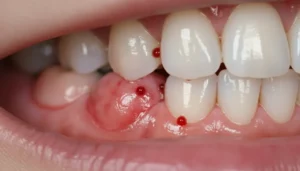


Early stage gum disease pictures reveal the subtle signs that many patients overlook. Understanding these visual cues can help you catch gum disease before it progresses to more serious periodontal disease. In this article, we’ll explain what early gum disease looks like, why it matters, and how Gold City Dental can support you in maintaining healthy gums.
Gum disease affects nearly half of adults over 30, yet many remain unaware until swelling, bleeding, or recession become noticeable. By learning to recognize the early indicators—often captured in clinical photographs—you can take action promptly.
We’ll cover the common causes, diagnostic methods, treatment options, and practical prevention tips. Whether you’re experiencing occasional bleeding gums or simply want to stay informed, this guide provides the essential knowledge you need for optimal oral health.
Recognizing Early Signs: Visual Cues and Symptoms
Identifying early stage gum disease relies on observing changes in gum color, texture, and behavior. While a dentist’s examination is definitive, patients can notice warning signs at home.
- Red or purplish gums that appear inflamed.
- Swollen gums that feel tender to the touch.
- Bleeding during brushing or flossing.
- Recession of the gum line, exposing more of the tooth.
- Persistent bad breath despite regular oral hygiene.
Below is a comparison of early visual indicators versus advanced symptoms:
| Feature | Early Stage | Advanced Stage |
|---|---|---|
| Gum Color | Bright red, slight pink | Dark red, purple, or pale |
| Bleeding | Occasional, mild | Frequent, heavy |
| Gum Recession | Minimal, barely noticeable | Significant, exposing tooth roots |
| Pocket Depth | 1–3 mm | 4 mm or deeper |
Early stage gum disease pictures often highlight these subtle differences, making it easier for patients to understand what to look for. If you notice any of these signs, schedule a professional evaluation promptly.
Common Causes and Risk Factors for Early Gum Disease
Understanding what triggers gum disease helps you mitigate the risk. While plaque buildup is the primary cause, several lifestyle and health factors can accelerate the process.
- Inadequate oral hygiene—irregular brushing or flossing.
- Smoking or tobacco use, which impairs blood flow to gum tissue.
- Hormonal changes during pregnancy, menopause, or puberty.
- Diabetes, which can weaken the immune response.
- Genetic predisposition—family history of periodontal disease.
- Medications that cause dry mouth, reducing natural cleansing.
These risk factors often intersect, creating a perfect environment for bacterial colonies to flourish. For example, a smoker who also neglects flossing faces a compounded risk of developing early gum disease.
Addressing these factors early can prevent the condition from advancing. Simple steps such as using an antimicrobial mouthwash, quitting tobacco, and managing systemic health conditions can dramatically reduce plaque formation.
How Dentists Diagnose Early Stage Gum Disease
Professional diagnosis combines visual inspection, probing, and imaging. Dentists at Gold City Dental use a systematic approach to ensure accurate detection.
Clinical Examination
During a routine check‑up, the dentist evaluates gum color, swelling, and bleeding. They may capture early stage gum disease pictures with a dental camera to document the condition and monitor changes over time.
Periodontal Probing
A calibrated probe measures the depth of the space between the gum and tooth (the periodontal pocket). Depths of 1–3 mm typically indicate healthy gums, while 4 mm or more suggest early disease.
Radiographic Assessment
Dental X‑rays reveal bone loss that isn’t visible to the naked eye. Even in early stages, subtle bone changes can be detected, guiding treatment planning.
Below is a step‑by‑step checklist dentists follow when assessing early gum disease:
- Visual inspection of gums and teeth.
- Capture intra‑oral photographs for documentation.
- Use a periodontal probe to record pocket depths.
- Take bitewing or periapical radiographs if needed.
- Review medical history for systemic risk factors.
- Develop a personalized treatment plan.
Early detection is crucial because treatment is simpler, less invasive, and more likely to restore full gum health.
Effective Treatment Options for Early Gum Disease
When caught early, gum disease can often be reversed with non‑surgical interventions. The goal is to eliminate plaque, reduce inflammation, and restore healthy tissue.
- Professional Dental Cleaning – Scaling and root planing removes plaque and tartar from tooth surfaces and beneath the gum line.
- Antimicrobial Mouth Rinses – Chlorhexidine or essential oil rinses reduce bacterial load.
- Targeted Antibiotic Therapy – Localized antibiotics may be placed in pockets for severe inflammation.
- Improved Home Care – Powered toothbrushes, interdental brushes, and flossing techniques.
- Lifestyle Modifications – Quitting smoking and managing diabetes.
For patients with persistent inflammation, adjunctive therapies such as laser-assisted periodontal treatment can enhance healing.
Below is a concise table outlining common treatment modalities and their typical outcomes:
| Treatment | Purpose | Typical Outcome |
|---|---|---|
| Scaling & Root Planing | Remove plaque/tartar, smooth root surfaces | Reduced pocket depth, decreased bleeding |
| Antimicrobial Rinse | Control bacterial growth | Improved gum color, less inflammation |
| Localized Antibiotics | Target deep pockets | Accelerated healing, pocket reduction |
| Laser Therapy | Stimulate tissue regeneration | Faster recovery, less discomfort |
Consistent follow‑up appointments ensure that the treatment is effective and that the gums remain healthy. Early stage gum disease pictures taken after treatment can visually confirm improvement.
Prevention Strategies to Keep Gums Healthy
Prevention is the most effective way to avoid the progression of gum disease. Simple daily habits, combined with regular professional care, create a strong defense.
- Brush twice daily with a fluoride toothpaste and a soft‑bristled brush.
- Floss daily to remove plaque between teeth.
- Use an antimicrobial mouthwash to reduce bacterial load.
- Schedule dental check‑ups and cleanings at least twice a year.
- Maintain a balanced diet low in sugary snacks and drinks.
- Avoid tobacco products and limit alcohol consumption.
Implementing these practices can dramatically lower the risk of developing gum disease. Additionally, patients with a family history of periodontal disease should be especially vigilant and may benefit from more frequent monitoring.
Regular visual assessments, including reviewing early stage gum disease pictures taken during dental visits, help track gum health over time and catch any changes before they become problematic.
Why Choose Gold City Dental
Gold City Dental offers a full‑service, patient‑focused approach to oral health. Our team combines state‑of‑the‑art technology with personalized treatment plans, ensuring each patient receives the highest standard of care. From preventive cleanings to advanced periodontal therapy, we are dedicated to preserving your smile for a lifetime.
Ready to protect your gums and restore confidence in your smile? Contact Gold City Dental today to schedule your comprehensive gum health evaluation. Take the first step toward healthier gums and a brighter future.
FAQ
What are the early signs of gum disease?
Early gum disease shows red or purplish gums, swelling, mild bleeding, slight gum recession, and persistent bad breath.
How can I tell if I have early stage gum disease from pictures?
Look for mild redness, slight swelling, occasional bleeding, and minimal gum recession in intra‑oral photos.
What are the main causes and risk factors for early gum disease?
Plaque buildup, poor oral hygiene, smoking, hormonal changes, diabetes, genetics, and dry‑mouth medications are key risk factors.
How do dentists diagnose early stage gum disease?
Dentists use visual exams, intra‑oral photos, periodontal probing, and sometimes X‑rays to detect early disease.
What treatment options are available for early stage gum disease?
Professional cleaning, antimicrobial rinses, localized antibiotics, improved home care, lifestyle changes, and optional laser therapy.
How can I prevent gum disease from developing?
Maintain twice‑daily brushing, daily flossing, antimicrobial mouthwash, regular dental visits, a balanced diet, and avoid tobacco.