
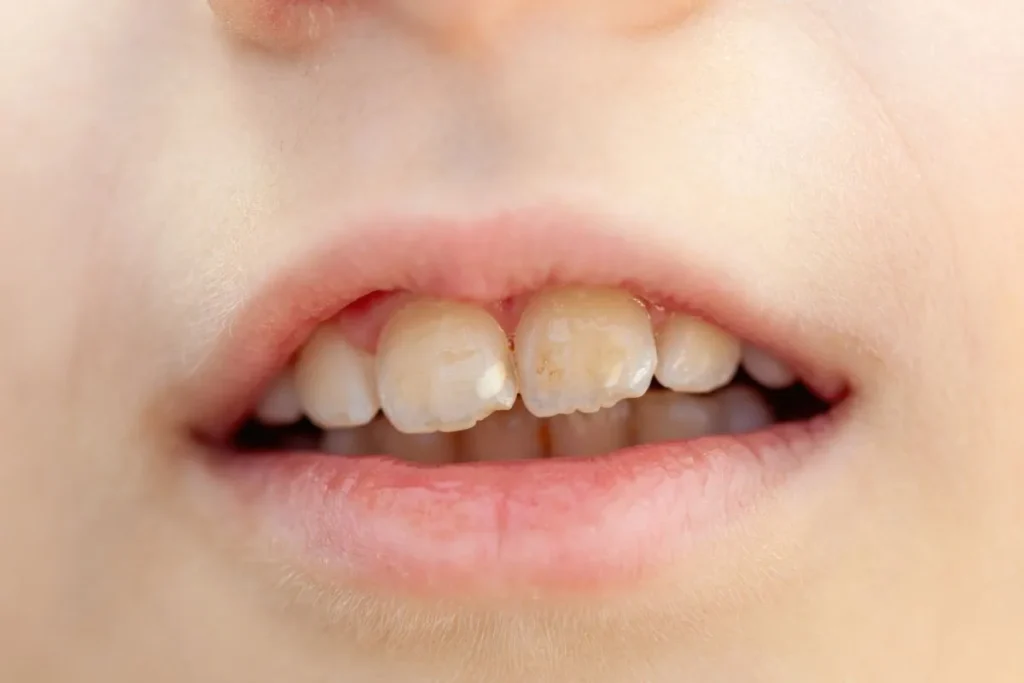
Many people love a brighter smile, but whitening strips for sensitive teeth often feel like a risky choice. If you’ve ever tried a whitening product and experienced sharp, fleeting pain, you’re not alone—up to 30% of adults report tooth sensitivity after at‑home bleaching. This article explains how these strips work, which products are truly gentle, and how you can protect your enamel while achieving noticeable results.
We’ll explore the science behind the bleaching agents, compare the most recommended over‑the‑counter options, and share practical tips to keep sensitivity at bay. Whether you’re new to at‑home whitening or have tried other methods, understanding the right approach can make the difference between a dazzling grin and ongoing discomfort.
Read on to discover safe strategies, product recommendations, and professional guidance that empower you to brighten your teeth without sacrificing comfort.
How Whitening Strips Work on Sensitive Teeth
Understanding the chemistry behind whitening strips for sensitive teeth helps you choose a product that minimizes discomfort. Most strips contain a peroxide‑based gel—either hydrogen peroxide or carbamide peroxide—that penetrates the enamel to break down stained molecules.
The Science Behind the Gel
The active peroxide releases oxygen ions that react with chromogens (the compounds that cause discoloration). This reaction lightens the tooth surface, typically over a series of daily applications. For sensitive mouths, the concentration of peroxide is key: lower‑strength gels (around 5‑10% carbamide peroxide) are less likely to irritate the dentin‑pulp complex.
Why Sensitivity Occurs
When the gel reaches the dentin, it can temporarily open microscopic tubules, allowing stimuli (cold, heat, sweet) to reach the nerve. This is why some users feel a mild tingle or sharp ache. The effect usually subsides within a few days as the enamel re‑hardens.
Below is a quick checklist to assess whether a strip is suitable for sensitive teeth:
- Peroxide concentration ≤ 10% for carbamide or ≤ 3% for hydrogen peroxide.
- Inclusion of desensitizing agents such as potassium nitrate or fluoride.
- Thin, flexible backing that adheres evenly without pulling on gums.
- Clear usage instructions that limit contact time (typically 30 minutes).
Choosing the Best Whitening Strips for Sensitive Teeth
Selecting the right product can feel overwhelming with the plethora of options on the market. To simplify your decision, we evaluated the most popular brands based on peroxide strength, added desensitizing ingredients, user reviews, and professional recommendations.
| Product | Peroxide Type & Strength | Desensitizing Additives | Typical Treatment Duration | Average User Rating |
|---|---|---|---|---|
| GentleGlow Sensitive Strips | Carbamide Peroxide 6% | Potassium nitrate, fluoride | 30 min × 14 days | 4.5/5 |
| BrightSmile Soft‑Touch | Hydrogen Peroxide 3% | Calcium phosphate | 20 min × 10 days | 4.2/5 |
| PureWhite Natural | Carbamide Peroxide 5% | Aloe vera, xylitol | 25 min × 12 days | 4.0/5 |
| DentalPro Professional Kit | Hydrogen Peroxide 4% | Fluoride varnish | 30 min × 7 days | 4.3/5 |
When searching for the best whitening strips for sensitive teeth, prioritize products that list a low peroxide percentage and include a desensitizing agent. Avoid strips that promise overnight results, as they often use higher concentrations that can aggravate sensitivity.
Other helpful tips:
- Read the ingredient list for potassium nitrate or fluoride—both are proven to reduce discomfort.
- Check for a “soft‑touch” backing that conforms to uneven tooth surfaces.
- Look for third‑party certifications (e.g., ADA acceptance) that confirm safety standards.
Managing Sensitivity While Using Whitening Strips
Even the most gentle strips can trigger mild sensitivity if used incorrectly. Implementing a few simple strategies can keep discomfort to a minimum while still delivering noticeable whitening.
Pre‑Treatment Preparation
Before applying any strip, brush with a low‑abrasive toothpaste and rinse with a fluoride mouthwash. This creates a protective mineral layer on enamel, reducing the chance that peroxide will penetrate too deeply.
During Treatment
- Apply strips exactly as directed—no longer than the recommended time.
- Ensure the strip does not overlap the gums; excess gel on soft tissue can cause irritation.
- If you feel a sharp tingle, remove the strip immediately and rinse.
Post‑Treatment Care
After each session, rinse with a desensitizing rinse containing potassium nitrate or use a specialized sensitivity toothpaste for the next 24–48 hours. This helps seal the dentin tubules and eases any lingering soreness.
Below is a quick daily routine to follow while using whitening strips:
- Morning: Brush with fluoride toothpaste, apply strips for 30 minutes, rinse.
- Afternoon: Use a fluoride mouthwash.
- Evening: Brush with a sensitivity toothpaste, avoid acidic foods for 2 hours.
By adhering to these steps, most users report a significant reduction in discomfort, making the whitening journey both effective and pleasant.
Professional Alternatives and When to See a Dentist
If at‑home strips still cause discomfort despite careful use, professional options may be a better fit. In‑office whitening systems employ higher‑grade peroxide gels but also include protective barriers and precise light activation, which can limit sensitivity.
In‑Office Bleaching
Dental professionals often use 35% hydrogen peroxide combined with a custom‑made tray that fits snugly over your teeth. The tray isolates the gums, and the dentist may apply a desensitizing agent before the bleaching session.
Take‑Home Custom Trays
These kits provide a lower‑strength gel (typically 10% carbamide peroxide) placed in trays molded to your mouth. Because the tray distributes the gel evenly, the risk of hotspots—and thus sensitivity—is reduced.
Consider scheduling a consultation if you experience:
- Persistent pain lasting more than 48 hours after treatment.
- Visible gum irritation or swelling.
- Enamel erosion signs such as increased translucency.
Our team at Gold City Dental can evaluate your oral health, recommend the safest whitening pathway, and provide professional-grade solutions that protect sensitive teeth while delivering dramatic results.
Frequently Overlooked Myths About Whitening Strips
Misconceptions can lead to unnecessary fear or misuse of whitening products. Let’s debunk the most common myths surrounding whitening strips for sensitive teeth.
Myth 1: All Whitening Strips Damage Enamel
Research shows that when used as directed, low‑strength peroxide strips do not erode enamel. The key is to avoid over‑use and to choose formulations with desensitizing agents.
Myth 2: If It’s Cheap, It’s Ineffective
Price does not always correlate with performance. Many affordable brands meet ADA guidelines and deliver comparable results to premium products when applied correctly.
Myth 3: You Must Stop Using Toothpaste During Treatment
Continuing to brush with a fluoride or sensitivity toothpaste actually supports enamel health. Skipping brushing can increase the risk of plaque buildup and exacerbate sensitivity.
Myth 4: Whitening Strips Work Instantly
Most users notice a subtle brightening after 3–5 days, with full results appearing after the complete treatment cycle. Patience and consistent use are essential for safe outcomes.
By understanding the facts, you can make informed choices and enjoy a brighter, healthier smile without unnecessary worry.
Why Choose Gold City Dental
At Gold City Dental, our full‑service clinic blends cutting‑edge technology with personalized care. Our experienced team specializes in cosmetic dentistry, including safe whitening solutions tailored for patients with sensitivity. We conduct thorough examinations, recommend the most appropriate at‑home or professional options, and provide follow‑up support to ensure lasting comfort and results. Trust our expertise to guide you toward a brighter smile without compromising your oral health.
Ready to brighten your smile without the sting? Contact Gold City Dental today to schedule a complimentary consultation and discover the safest whitening plan for your needs.
Call us or use our online form—your confident, comfortable smile is just a step away.
FAQ
How do whitening strips work for sensitive teeth?
They use low‑strength peroxide gels that release oxygen to break down stains while minimizing irritation.
What peroxide concentration is safe for sensitive teeth?
Generally, ≤10% carbamide peroxide or ≤3% hydrogen peroxide is considered safe.
Which ingredients help reduce sensitivity in whitening strips?
Potassium nitrate, fluoride, calcium phosphate, and aloe vera are common desensitizing additives.
How can I minimize tooth sensitivity while using whitening strips?
Use a low‑strength strip, follow the recommended time, and employ fluoride or desensitizing rinses before and after treatment.
When should I see a dentist instead of using at‑home strips?
If pain lasts more than 48 hours, gums are irritated, or you notice enamel erosion, schedule a professional consultation.
What are common myths about whitening strips?
Myths include that all strips damage enamel, cheap strips are ineffective, you must stop brushing, and results are instant.