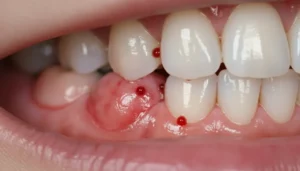

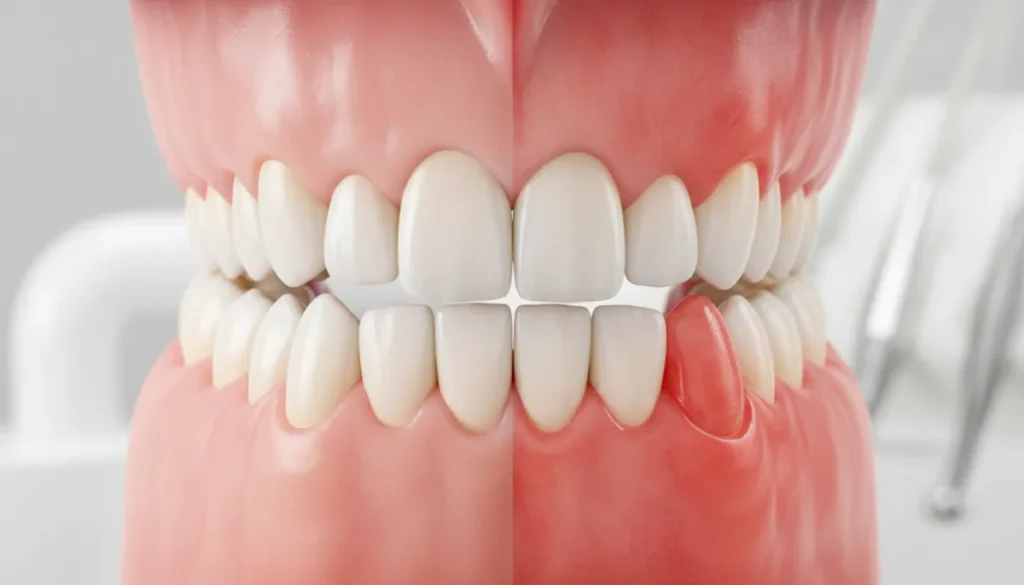
Many people wonder how do you know if you have gum disease and often ignore subtle cues until the problem worsens. Understanding the early indicators can prevent painful complications and costly treatments. In fact, the American Dental Association reports that nearly half of adults over 30 show some form of gum disease, yet many remain unaware until severe damage occurs.
In this article, we will explore the most common symptoms, differentiate between gingivitis and periodontitis, discuss risk factors, and outline the steps you should take to protect your oral health. Whether you notice occasional bleeding after brushing or experience persistent gum swelling, recognizing these signs early empowers you to act quickly.
We’ll also explain what to expect during a dental examination, the diagnostic tools dentists use, and the range of treatment options available at Gold City Dental. By the end, you’ll have a clear roadmap for maintaining healthy gums and preventing disease progression.
Early Warning Signs: Spotting Gum Disease Before It Progresses
Identifying gum disease early hinges on paying attention to subtle changes in your mouth. The most frequent warning signs include:
- Bleeding gums during brushing or flossing
- Swollen, red, or tender gum tissue
- Persistent bad breath despite good oral hygiene
- Receding gums that expose more of the tooth surface
- Loose or shifting teeth in advanced cases
These symptoms often develop gradually, making it easy to dismiss them as normal. However, consistent presence of any of these cues should prompt a professional evaluation.
Below is a quick reference table that matches symptoms with typical stages of gum disease:
| Symptom | Likely Stage | Recommended Action |
|---|---|---|
| Bleeding after brushing | Early gingivitis | Improve oral hygiene; schedule a dental check‑up |
| Swollen, tender gums | Moderate gingivitis | Professional cleaning; possible antimicrobial rinse |
| Gum recession | Early periodontitis | Deep scaling; evaluate bone loss |
| Loose teeth | Advanced periodontitis | Comprehensive periodontal therapy |
Recognizing these signs early can dramatically reduce the need for invasive procedures later on. If you find yourself asking how do you know if you have gum disease, start by monitoring these indicators daily.
Understanding Gingivitis vs. Periodontitis
Not all gum disease is the same. Gingivitis is the mild, reversible inflammation of the gum tissue, while periodontitis represents a more advanced stage where the supporting bone and ligament are affected. Distinguishing between the two helps determine the urgency of treatment.
Gingivitis: The Reversible Stage
Gingivitis is typically caused by plaque buildup that irritates the gums. Common symptoms include bleeding on flossing, mild swelling, and a shiny appearance of the gum line. With proper oral hygiene and professional cleaning, gingivitis can be fully resolved.
Periodontitis: When the Damage Deepens
If plaque is not removed, it hardens into tartar, leading to bacterial invasion beneath the gum line. This triggers the body’s immune response, resulting in bone loss, pocket formation, and eventual tooth mobility. Periodontitis is not fully reversible, but its progression can be halted with targeted therapy.
The following checklist helps you differentiate the two conditions:
- Bleeding only when brushing – likely gingivitis
- Persistent bad breath and gum recession – may indicate periodontitis
- Pocket depths greater than 4 mm – diagnostic of periodontitis
- Visible bone loss on X‑ray – confirms periodontitis
Understanding these differences equips you to ask the right questions at your next dental visit, such as “Do I have early periodontitis?” or “What steps can reverse my gingivitis?”
Common Risk Factors and Lifestyle Triggers
Even with diligent brushing, certain factors can increase your susceptibility to gum disease. Recognizing these helps you modify habits that may be silently harming your gums.
Smoking and Tobacco Use
Nicotine reduces blood flow to the gums, impairing healing and masking bleeding—one of the key signs dentists look for. Smokers are up to three times more likely to develop periodontitis.
Hormonal Changes
Pregnancy, menopause, and puberty cause hormonal fluctuations that can make gums more sensitive to plaque, leading to increased inflammation.
Medical Conditions
Diabetes, especially when poorly controlled, weakens the immune response and accelerates gum tissue breakdown. Conversely, severe gum disease can worsen blood sugar control, creating a harmful cycle.
Poor Oral Hygiene Practices
Skipping floss, using a hard-bristled toothbrush, or irregular dental visits allow plaque to accumulate, turning a simple gingivitis into a chronic problem.
Below is a concise table summarizing risk factors and practical mitigation strategies:
| Risk Factor | Impact on Gums | Mitigation Strategy |
|---|---|---|
| Smoking | Reduced blood flow, hidden bleeding | Quit or reduce tobacco use; seek cessation support |
| Diabetes | Weakened immunity, faster tissue loss | Maintain glycemic control; regular dental monitoring |
| Poor Oral Hygiene | Plaque & tartar buildup | Brush twice daily, floss daily, use antimicrobial mouthwash |
| Hormonal Shifts | Increased gum sensitivity | Enhanced cleaning during high‑risk periods; professional cleanings |
By addressing these lifestyle elements, you reduce the likelihood of asking how do you know if you have gum disease in the future.
When to Seek Professional Care: Dental Exams and Diagnostics
Self‑assessment is valuable, but only a qualified dentist can confirm the presence and severity of gum disease. Regular dental exams—ideally every six months—allow early detection through visual inspection, probing, and imaging.
Clinical Examination
During a routine visit, the dentist will:
- Check for bleeding, swelling, and recession
- Measure pocket depths with a periodontal probe (healthy depth: 1‑3 mm)
- Assess tooth mobility and attachment loss
Diagnostic Imaging
Dental X‑rays or cone‑beam CT scans reveal bone levels hidden beneath the gums. These images are essential for diagnosing periodontitis and planning treatment.
Laboratory Tests
In complex cases, microbial testing can identify specific bacteria driving the infection, allowing targeted antimicrobial therapy.
If you notice any of the early signs discussed earlier, schedule an appointment promptly. Early professional intervention can halt progression, often with a simple scaling and root planing procedure.
Managing and Treating Gum Disease at Home
While professional care is indispensable, daily home care reinforces treatment outcomes and can even prevent the onset of gum disease. Here are evidence‑based practices you can adopt immediately.
Effective Brushing Techniques
Use a soft‑bristled toothbrush and the Bass method: place the bristles at a 45° angle to the gum line, make gentle vibratory strokes, and cover each tooth for at least two minutes.
Flossing and Interdental Cleaning
Daily floss removes plaque from areas a toothbrush cannot reach. If floss is difficult, consider water flossers or interdental brushes.
Antimicrobial Mouth Rinses
Chlorhexidine or essential oil‑based rinses reduce bacterial load and help control inflammation. Use as directed by your dentist, typically for short‑term periods.
Nutrition and Hydration
Consume a balanced diet rich in vitamin C, omega‑3 fatty acids, and antioxidants, all of which support gum health. Staying hydrated stimulates saliva production, which naturally cleanses the mouth.
Below is a simple daily oral‑care checklist you can print and keep by your sink:
- Brush twice daily with fluoride toothpaste
- Floss or use an interdental cleaner once per day
- Rinse with an antimicrobial mouthwash (if recommended)
- Limit sugary snacks and drinks
- Visit the dentist every six months for a professional cleaning
Implementing these habits reduces the chance of ever needing to ask how do you know if you have gum disease again, because your gums stay healthy and resilient.
Why Choose Gold City Dental
At Gold City Dental, we combine state‑of‑the‑art technology with personalized treatment plans to address every stage of gum disease. Our team of experienced periodontists and hygienists uses gentle scaling, laser therapy, and advanced imaging to diagnose and treat both gingivitis and periodontitis effectively. We prioritize patient education, ensuring you understand each step of your care journey, and we offer flexible scheduling to accommodate busy families. Trust us to keep your smile healthy for a lifetime.
Ready to protect your gums and restore your confidence? Contact Gold City Dental today to schedule a comprehensive gum health evaluation. Call us or use our online portal to book an appointment—your healthiest smile starts now.
FAQ
What are the early signs of gum disease?
Early signs include bleeding gums, swelling, persistent bad breath, gum recession, and loose teeth.
How does gingivitis differ from periodontitis?
Gingivitis is a mild, reversible inflammation of the gums, while periodontitis involves bone loss and is more advanced.
Which lifestyle factors increase the risk of gum disease?
Smoking, hormonal changes, uncontrolled diabetes, and poor oral hygiene are major risk factors.
How often should I see a dentist for gum disease screening?
At least every six months, or sooner if you notice symptoms.
What home care practices help prevent gum disease?
Brush twice daily with a soft brush, floss daily, use antimicrobial rinse, and maintain a healthy diet.