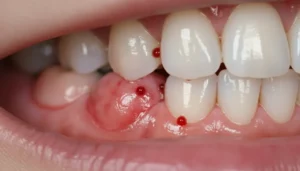

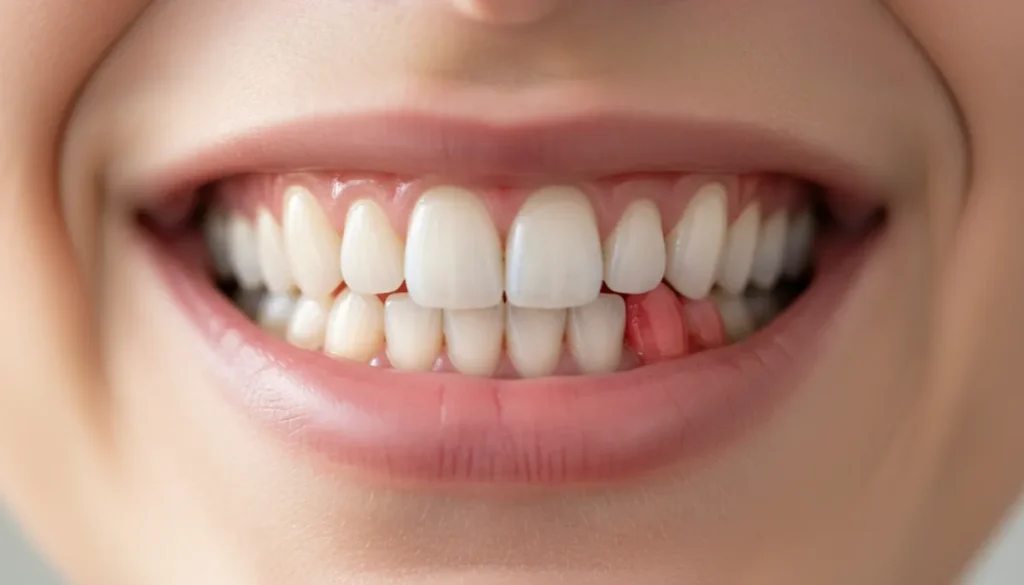
Understanding how to get rid of gum inflammation is essential for anyone who wants a healthy, pain‑free smile. Inflamed gums are often the first sign of gum disease, and if left untreated they can progress to more serious conditions such as gingivitis or periodontal disease. In fact, the American Dental Association reports that nearly half of adults experience some form of gum inflammation at least once in their lives.
This article will guide you through the underlying causes, effective daily habits, professional treatment options, and lifestyle adjustments that can calm swollen gums and prevent future problems. Whether you’re dealing with occasional bleeding after brushing or persistent soreness, the strategies outlined here are backed by dental research and practical experience.
By the end of this guide, you’ll have a clear, step‑by‑step plan to reduce gum swelling, stop bleeding, and protect your oral health for the long term.
Understanding Gum Inflammation: Causes and Signs
Gum inflammation, medically known as gingivitis, occurs when the tissue surrounding the teeth becomes irritated and swollen. The most common trigger is plaque—a sticky film of bacteria that forms on teeth and gums. If plaque isn’t removed regularly, it hardens into tartar, which can irritate the gum line and lead to bleeding, redness, and tenderness.
Key signs to watch for include:
- Red or puffy gums
- Bleeding during brushing or flossing
- Bad breath that doesn’t improve with routine hygiene
- Receding gum margins
While occasional irritation is normal, persistent symptoms may indicate an early stage of gum disease that requires attention. Other risk factors that exacerbate inflammation include smoking, hormonal changes, certain medications, and underlying health conditions such as diabetes.
| Risk Factor | Impact on Gums |
|---|---|
| Smoking | Reduces blood flow, impairs healing, increases plaque buildup |
| Diabetes | Elevates infection risk, slows tissue repair |
| Poor Oral Hygiene | Accelerates plaque formation, leading to gingivitis |
Recognizing these symptoms early can help you act quickly and avoid progression to more severe periodontal disease.
Daily Oral Hygiene Practices to Reduce Inflammation
Consistent oral hygiene is the cornerstone of any plan to get rid of gum inflammation. The following routine, when performed twice daily, can dramatically lower plaque levels and soothe irritated tissue.
Effective Brushing Technique
- Use a soft‑bristled toothbrush or an electric brush with a pressure sensor.
- Angle the brush at 45 degrees toward the gum line.
- Employ gentle, circular motions for at least two minutes.
- Replace the brush every three months or sooner if bristles fray.
Flossing and Interdental Cleaning
Flossing removes plaque from areas a brush can’t reach. If traditional floss is difficult, consider:
- Dental picks
- Water flossers
- Interdental brushes
Antimicrobial Mouth Rinse
Rinses containing chlorhexidine or essential oils can reduce bacterial load. Use once daily after brushing for an extra boost against gingivitis.
In addition to mechanical cleaning, pay attention to the following habits:
- Avoid sugary snacks that feed plaque‑forming bacteria.
- Drink plenty of water to help wash away food particles.
- Chew sugar‑free gum to stimulate saliva flow, which naturally neutralizes acids.
By integrating these steps, you’ll create an environment where gum tissue can heal and inflammation diminishes.
Professional Treatments and When to See a Dentist
While diligent home care tackles most early‑stage inflammation, certain situations require professional intervention. If you notice persistent bleeding, persistent pain, or pockets forming between teeth and gums, it’s time to schedule an appointment.
Scaling and Root Planing
This deep‑cleaning procedure removes tartar below the gum line and smooths root surfaces, allowing the gums to re‑attach securely. It is the gold standard for treating moderate gingivitis and early periodontal disease.
Antibiotic Therapy
In cases of acute infection, dentists may prescribe topical or oral antibiotics to curb bacterial growth. This is often combined with scaling to maximize results.
Laser Gum Therapy
Modern laser technology can gently remove inflamed tissue and disinfect the area, reducing recovery time and discomfort compared with traditional surgery.
Regular dental check‑ups (every six months) enable early detection of gum issues and personalized treatment plans. Your dentist can also assess risk factors such as bite alignment, which may contribute to chronic irritation.
| Treatment | When to Use | Benefits |
|---|---|---|
| Scaling & Root Planing | Moderate gingivitis, early periodontal disease | Deep plaque removal, promotes gum reattachment |
| Antibiotics | Acute infection, severe swelling | Reduces bacterial load quickly |
| Laser Therapy | Chronic inflammation, patient preference for minimally invasive care | Less bleeding, faster healing |
Professional care, combined with diligent at‑home habits, is the most reliable way to get rid of gum inflammation and prevent recurrence.
Lifestyle and Home Remedies for Soothing Swollen Gums
Beyond brushing and flossing, several lifestyle adjustments can alleviate discomfort and accelerate healing when you’re trying to get rid of gum inflammation at home.
Warm Salt Water Rinse
Mix half a teaspoon of non‑iodized salt in an 8‑oz glass of warm water. Rinse gently for 30 seconds, twice daily. The solution reduces swelling and kills bacteria.
Anti‑Inflammatory Diet
- Increase intake of omega‑3 fatty acids (salmon, walnuts).
- Eat plenty of fresh fruits and vegetables rich in vitamin C.
- Limit processed sugars and acidic drinks.
Herbal and Natural Aids
Chamomile tea bags, cooled and applied to the gums, can provide soothing relief. Aloe vera gel, applied directly, offers anti‑bacterial properties.
Quit Smoking
Smoking impairs blood flow to the gums, prolonging inflammation. Even reducing the number of cigarettes per day can improve gum health noticeably.
These simple measures, used consistently, can complement professional care and help you achieve faster relief from swollen, painful gums.
Preventing Future Gum Problems: Long‑Term Strategies
Maintaining gum health is an ongoing commitment. To ensure that the inflammation you’ve worked hard to eliminate does not return, adopt these long‑term strategies.
Regular Dental Visits
Biannual cleanings allow your dentist to remove hidden plaque and monitor gum health. Early detection of any changes means quicker, less invasive treatment.
Customized Oral Care Products
Consider using a prescription‑strength fluoride toothpaste or a mouthwash containing chlorhexidine if you have a history of recurrent gingivitis.
Monitor Medical Conditions
Conditions like diabetes and autoimmune diseases can affect gum tissue. Work with your healthcare provider to keep these conditions well‑controlled.
Stress Management
High stress can weaken the immune response, making gums more susceptible to infection. Incorporate relaxation techniques such as meditation, yoga, or regular exercise.
By integrating professional guidance with daily vigilance, you create a resilient defense against gum disease, ensuring a bright, healthy smile for years to come.
Why Choose Gold City Dental
Gold City Dental combines state‑of‑the‑art technology with personalized treatment plans to address every stage of gum health. Our team of experienced dentists specializes in preventive care, early detection of gingivitis, and advanced periodontal therapies. We prioritize patient comfort, using gentle techniques and modern sedation options when needed. By choosing Gold City Dental, families receive comprehensive, one‑stop oral health solutions that keep smiles healthy and confident.
Ready to stop gum inflammation and protect your smile? Contact Gold City Dental today to schedule a comprehensive gum assessment. Our caring professionals will create a customized plan to restore your gum health and keep it thriving.
FAQ
What are the main causes of gum inflammation?
Gum inflammation is primarily caused by plaque buildup, which can harden into tartar and irritate the gum tissue.
How often should I visit the dentist to prevent gum problems?
Schedule dental check‑ups at least twice a year for professional cleaning and early detection.
Can home remedies actually reduce gum swelling?
Yes, simple home remedies like warm salt water rinses and anti‑inflammatory diets can help soothe swollen gums.
What professional treatments are available for moderate gingivitis?
Scaling and root planing, antibiotic therapy, and laser gum therapy are common professional options.
How does smoking affect gum health?
Smoking reduces blood flow to the gums, impairs healing, and increases plaque buildup, worsening inflammation.
What daily oral hygiene habits are most effective against gum inflammation?
Using a soft‑bristled brush with proper technique, flossing daily, and an antimicrobial mouth rinse are key habits.