
Many people wonder, how do i know if i have periodontal disease, and the answer starts with paying close attention to the health of your gums. Early detection can prevent tooth loss, painful infections, and costly dental procedures. In this article we’ll explore the warning signs, the differences between gum disease and gingivitis, and the steps you can take to protect your smile.
Periodontal disease affects the supporting structures of the teeth, including the gums, periodontal ligament, and bone. It often begins silently, with subtle changes that go unnoticed until the condition has progressed. By recognizing symptoms such as bleeding, swelling, and persistent bad breath, you can intervene before damage becomes irreversible.
We’ll also discuss why routine dental exams are essential, what diagnostic tools dentists use, and how modern treatments at Gold City Dental can restore oral health. Whether you’re experiencing mild irritation or more serious discomfort, understanding the signs empowers you to seek timely professional care.
Understanding the Basics of Gum Health
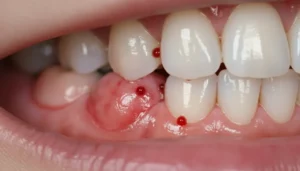
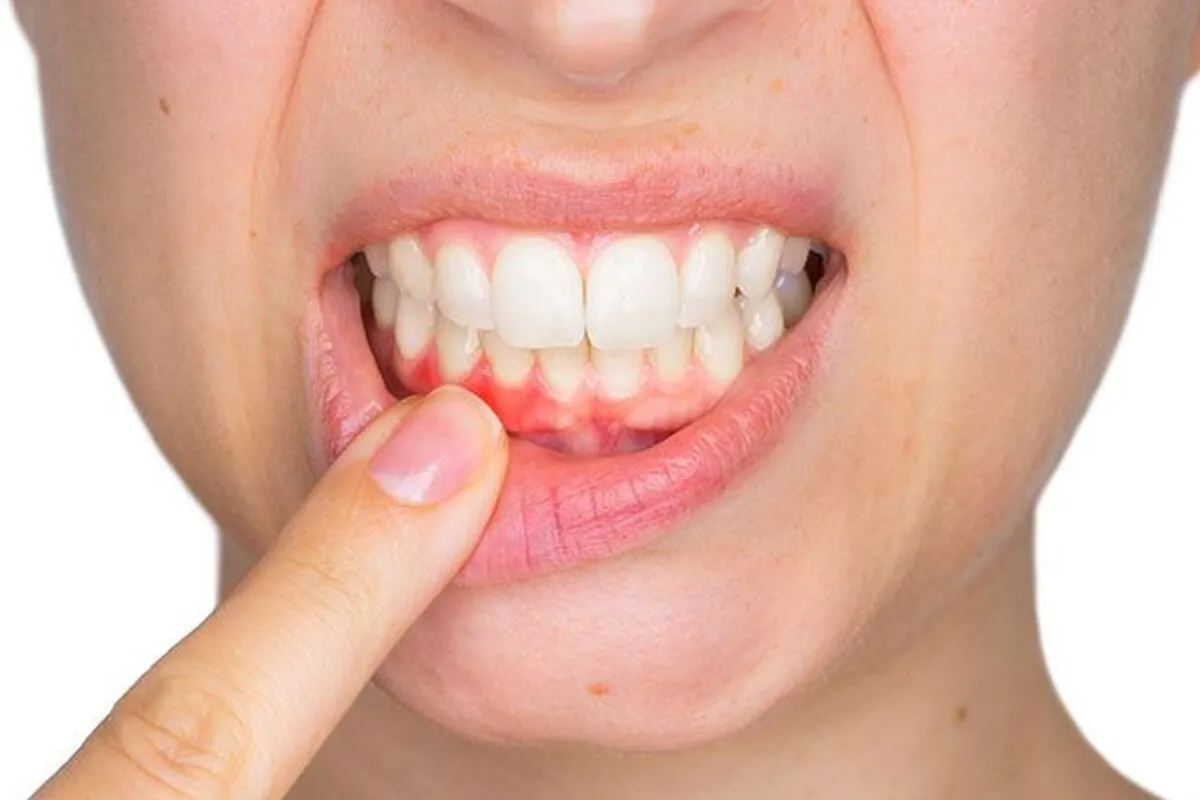
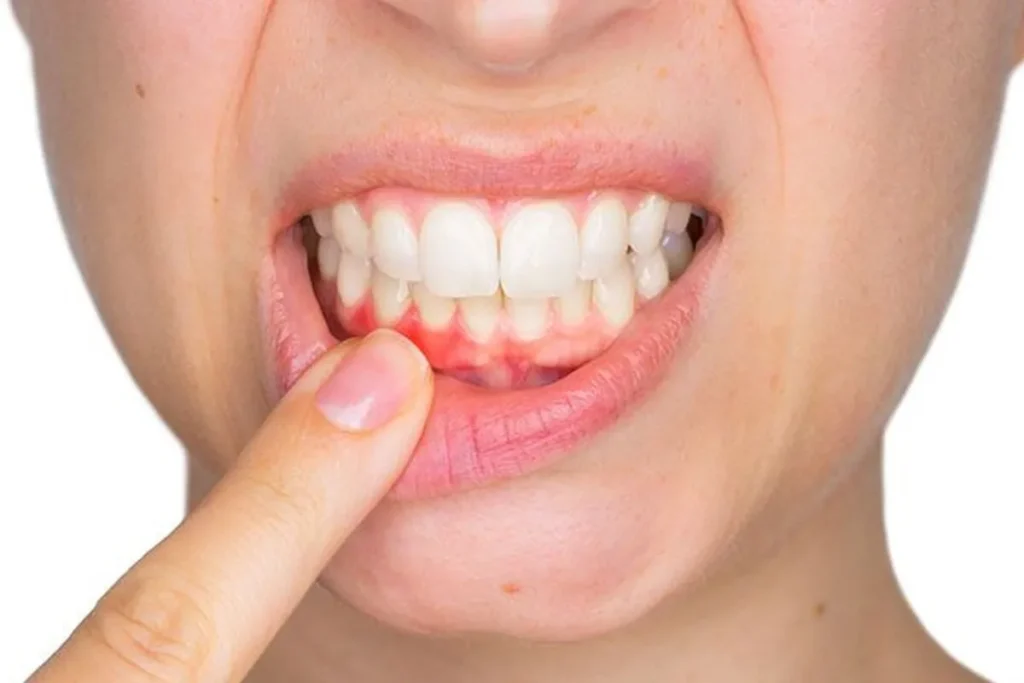
Healthy gums are pink, firm, and fit snugly around each tooth. When the tissue becomes inflamed, it can develop into gum disease, a term that encompasses both gingivitis and periodontitis. Gingivitis is the earliest stage, characterized by redness and bleeding during brushing. If left untreated, it can advance to periodontitis, where the infection destroys the bone and connective tissue that hold teeth in place.
Key differences between gingivitis and periodontitis are highlighted in the table below:
| Feature | Gingivitis | Periodontitis |
|---|---|---|
| Inflammation | Gums red, swollen | Gums recede, pockets form |
| Bleeding | Common during brushing | Persistent, may occur spontaneously |
| Pain | Usually mild | Moderate to severe, especially when chewing |
| Bone loss | None | Visible on X‑ray, leads to tooth mobility |
Understanding these stages helps answer the question, how do i know if i have periodontal disease. If you notice any of the signs listed above, it’s time to schedule a professional evaluation.
Key Warning Signs You Shouldn’t Ignore
Recognizing the early symptoms of periodontal disease can make a huge difference. Below is a concise list of the most common indicators that you might be experiencing gum problems:
- Bleeding gums during brushing or flossing
- Persistent bad breath or a metallic taste
- Swollen, tender, or puffy gums
- Receding gums that expose more tooth surface
- Loose or shifting teeth
- Painful chewing or a sensation of “ache in gums”
These symptoms often overlap with other oral conditions, but when several appear together, they strongly suggest that you should ask yourself, how do i know if i have periodontal disease. Early intervention is especially important for those with a family history of gum disease or who smoke, as both factors increase the risk of progression.
In addition to visual signs, pay attention to subtle changes such as increased sensitivity to hot or cold foods, or a feeling of gum “tightness” after meals. These cues are early alerts that your oral tissues may be under stress.
How a Dental Exam Detects Early Periodontal Issues
During a routine check‑up, your dentist will conduct a thorough assessment to answer the question, “how do i know if i have periodontal disease?” The process includes visual inspection, tactile probing, and radiographic imaging.
Probing Depth Measurement
A periodontal probe is used to measure the depth of the space between the tooth and gum. Healthy pockets are typically 1–3 mm deep. Measurements of 4 mm or greater indicate potential periodontitis. The results are recorded on a chart for future comparison.
X‑Ray Evaluation
Dental X‑rays reveal bone levels around each tooth. Loss of bone height is a clear sign of advanced gum disease. Modern digital radiography provides clear images with minimal radiation exposure.
Microbial Testing
Some practices also collect plaque samples to identify specific bacteria associated with gum infection. This information helps tailor personalized treatment plans.
The table below outlines common diagnostic tools and what they reveal about gum health:
| Tool | What It Detects | Typical Use |
|---|---|---|
| Periodontal Probe | Pocket depth, attachment loss | Initial and follow‑up exams |
| Dental X‑Ray | Bone loss, tooth root health | Assessing periodontitis severity |
| Microbial Test | Specific bacterial strains | Customizing antimicrobial therapy |
These examinations provide concrete evidence, allowing both patient and dentist to answer confidently, “how do i know if i have periodontal disease?” and to decide on a treatment plan.
Self‑Care Tips to Prevent Progression
Even if you are not currently experiencing severe symptoms, maintaining optimal oral hygiene is crucial to prevent the onset of periodontal disease. Below are evidence‑based self‑care practices that protect your gums:
- Brush twice daily with a soft‑bristled toothbrush and fluoride toothpaste.
- Floss or use interdental cleaners at least once a day to remove plaque from between teeth.
- Rinse with an antimicrobial mouthwash to reduce bacterial load.
- Limit sugary snacks and drinks, which feed harmful bacteria.
- Avoid tobacco products; smoking dramatically increases gum disease risk.
- Stay hydrated to promote saliva production, which naturally cleanses the mouth.
Regular home care reduces the likelihood that you’ll need to ask yourself, “how do i know if i have periodontal disease?” because it keeps the gums healthy and resilient. If you notice any bleeding or swelling despite diligent care, schedule a professional evaluation promptly.
When Professional Treatment Is Needed
While daily oral hygiene is the first line of defense, some cases of gum disease require professional intervention. If you have confirmed that periodontal disease is present, your dentist may recommend one or more of the following treatments:
- Scaling and root planing – deep cleaning to remove plaque and smooth the tooth root.
- Antibiotic therapy – topical or oral medications to combat infection.
- Laser-assisted periodontal therapy – targeted removal of diseased tissue.
- Surgical procedures – flap surgery, bone grafts, or guided tissue regeneration for advanced cases.
- Maintenance program – regular cleanings every three to four months to keep disease in check.
Choosing the right approach depends on the severity of the condition, your overall health, and personal preferences. At Gold City Dental, our team uses the latest technology to deliver comfortable, effective care tailored to each patient.
Addressing the question, “how do i know if i have periodontal disease,” with professional treatment can halt progression, preserve natural teeth, and improve overall health, since chronic gum inflammation has been linked to heart disease and diabetes.
Why Choose Gold City Dental
Gold City Dental offers a full‑service, patient‑focused approach to oral health. Our experienced clinicians combine preventive, restorative, cosmetic, and orthodontic expertise to create personalized treatment plans. Using state‑of‑the‑art technology, we ensure accurate diagnoses and comfortable procedures. Families trust us for comprehensive care that supports long‑term dental wellness.
Ready to protect your smile? Contact Gold City Dental today to schedule a comprehensive gum‑health exam. Early detection and personalized treatment can keep your teeth healthy for life.
FAQ
What are the early signs of periodontal disease?
Early signs include bleeding gums, swollen or tender gums, persistent bad breath, receding gums, and loose teeth.
How does gingivitis differ from periodontitis?
Gingivitis is inflammation of the gums without bone loss, while periodontitis includes gum recession, pocket formation, and bone loss.
What diagnostic tools does a dentist use to detect early periodontal disease?
Dentists use a periodontal probe, dental X‑rays, and sometimes microbial testing to assess gum health.
What self‑care practices help prevent the progression of gum disease?
Brush twice daily with a soft brush, floss daily, use antimicrobial mouthwash, limit sugar, avoid tobacco, and stay hydrated.
When is professional treatment necessary for periodontal disease?
Professional treatment is needed when pocket depths exceed 4 mm, bone loss is evident, or symptoms persist despite good home care.