
Many people ask, does teeth whitening toothpaste work, and the answer isn’t always straightforward. In this article, we’ll explore the science behind whitening toothpaste, the results you can realistically expect, and how to choose a product that fits your needs. According to recent consumer surveys, over 70% of adults have tried an over‑the‑counter whitening product at least once, yet many remain unsure about its true effectiveness.
Understanding the mechanisms, ingredients, and limitations of these products can help you make an informed decision and avoid common pitfalls like excessive sensitivity. We’ll also compare popular options, discuss potential side effects, and explain when a professional treatment may be the better choice.
Whether you’re looking for a quick boost before a special event or a long‑term solution for a brighter smile, the information below will guide you through the most frequently asked questions about teeth whitening toothpaste.
How Teeth Whitening Toothpaste Works: The Science Behind the Foam
Whitening toothpaste typically relies on mild abrasives, chemical agents, and optical enhancers to remove surface stains and brighten teeth. The primary goal is to address extrinsic discoloration caused by coffee, tea, wine, and tobacco, rather than intrinsic stains that lie deeper within the enamel.
Key active ingredients include:
- Silica or calcium carbonate – gentle abrasives that polish the enamel surface.
- Hydrogen peroxide or carbamide peroxide – low‑concentration bleaching agents.
- Blue covarine – an optical pigment that temporarily changes the way light reflects off the teeth.
- Polyphosphates – chemicals that prevent stain re‑attachment.
Below is a comparison of common ingredients and their typical effects:
| Ingredient | Concentration | Primary Action | Typical Result |
|---|---|---|---|
| Silica | 10‑15% | Abrasive polishing | Removes surface stains |
| Hydrogen peroxide | 0.1‑2% | Bleaching | Lightens extrinsic stains |
| Blue covarine | 0.05‑0.1% | Optical brightening | Immediate visual whitening |
| Polyphosphates | 0.2‑0.5% | Stain prevention | Reduces future discoloration |
Because the bleaching agents in toothpaste are much weaker than those in professional gels, the degree of whitening is modest. However, regular use can maintain a brighter appearance when combined with proper oral hygiene.
What Results Can You Expect? Effectiveness and Timeline
When evaluating does teeth whitening toothpaste work, it’s essential to set realistic expectations. Most studies indicate that regular use—twice daily for 4‑6 weeks—can lighten teeth by one to two shades on the standard VITA shade guide. This improvement is most noticeable for individuals with mild to moderate extrinsic staining.
Typical outcomes include:
- Removal of surface stains from coffee, tea, and tobacco.
- A subtle brightening effect that enhances overall smile aesthetics.
- Improved confidence in social and professional settings.
Below is a summary of average shade improvement reported in clinical trials:
| Study Duration | Average Shade Change | Participant Satisfaction |
|---|---|---|
| 2 weeks | 0.5 shades | 30% report noticeable change |
| 4 weeks | 1.0 shades | 55% report noticeable change |
| 6 weeks | 1.5‑2.0 shades | 70% report noticeable change |
While the results are encouraging for many users, those with deep intrinsic stains or enamel discoloration may see little to no improvement. In such cases, professional whitening or veneers might be recommended.
Choosing the Right Product – Factors to Consider
Selecting the best whitening toothpaste involves more than just picking the most popular brand. Consider the following factors to ensure the product aligns with your oral health needs and aesthetic goals.
1. Active Ingredient Strength
Products with higher peroxide concentrations may offer greater whitening but increase the risk of sensitivity. If you have sensitive teeth, look for formulas labeled “for sensitive teeth” or those that contain potassium nitrate.
2. Abrasivity Level
Low‑abrasive toothpastes protect enamel while still providing stain removal. The Relative Dentin Abrasivity (RDA) rating should be below 70 for daily use.
3. Additional Benefits
Many whitening toothpastes include fluoride for cavity protection, or ingredients like xylitol to reduce plaque buildup. Choose a product that supports overall oral health, not just aesthetics.
Here’s a quick comparison of top‑rated whitening toothpastes for 2025:
| Product | Key Ingredient | RDA | Special Feature |
|---|---|---|---|
| BrightSmile | 0.5% hydrogen peroxide | 55 | Fluoride + potassium nitrate |
| WhiteGuard | Silica abrasive | 45 | Blue covarine technology |
| PureWhite | 0.2% carbamide peroxide | 60 | Polyphosphate stain prevention |
| GentleGlow | Potassium nitrate | 30 | Designed for sensitive mouths |
Reading reviews and consulting with your dentist can further narrow down the best option for your specific situation.
Potential Risks and How to Minimize Them
While many users ask does teeth whitening toothpaste work without concerns, it’s important to recognize possible side effects, especially for those with pre‑existing dental sensitivities.
Common Risks
- Tooth sensitivity – caused by peroxide or high abrasivity.
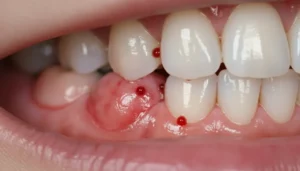
- Gum irritation – may occur if the toothpaste contacts soft tissues.
- Enamel wear – over‑use of highly abrasive formulas can thin enamel over time.
Mitigation Strategies
- Use the product as directed—usually twice a day for no more than two weeks before a break.
- Choose a toothpaste with a low RDA rating if you have sensitive teeth.
- Combine whitening toothpaste with a fluoride rinse to strengthen enamel.
- Consult your dentist before starting any whitening regimen, especially if you have existing dental restorations.
For most patients, following these guidelines keeps the experience safe and effective. If you notice persistent discomfort, discontinue use and seek professional advice.
Professional Care vs. Over‑the‑Counter Options: When to See a Dentist
Answering the question does teeth whitening toothpaste work often leads to a broader discussion about the role of professional dental care. While whitening toothpaste can improve surface stains, a dentist can provide stronger, customized solutions for deeper discoloration.
Advantages of Professional Treatments
- Higher concentration bleaching agents (up to 35% hydrogen peroxide) for faster, more dramatic results.
- Custom‑made trays that ensure even contact and reduce gum irritation.
- Comprehensive oral exam to rule out underlying issues that may affect whitening outcomes.
When Over‑the‑Counter Is Sufficient
- Only mild extrinsic stains from foods and beverages.
- Desire for a gradual, low‑risk brightening effect.
- Budget constraints or preference for at‑home care.
Below is a side‑by‑side comparison:
| Aspect | Whitening Toothpaste | Professional Whitening |
|---|---|---|
| Strength of Bleaching Agent | 0.1‑2% peroxide | 10‑35% peroxide |
| Typical Shade Change | 1‑2 shades | 3‑8 shades |
| Duration of Treatment | 4‑6 weeks | 1‑2 appointments |
| Cost | Low (over‑the‑counter) | Higher (in‑office) |
| Potential Sensitivity | Low‑moderate | Moderate‑high (manageable) |
Ultimately, the decision hinges on your personal goals, budget, and dental health status. A brief consultation can help you determine the most appropriate path.
Why Choose Gold City Dental for Your Whitening Journey
At Gold City Dental, we combine state‑of‑the‑art technology with personalized care to help you achieve a radiant smile. Our team offers comprehensive cosmetic dentistry services, including professional whitening, to complement any at‑home routine you may try. With a focus on safety and lasting results, we tailor treatment plans that address your unique oral health needs.
Whether you’re curious about the effectiveness of whitening toothpaste or ready for a clinician‑supervised whitening session, our experienced dentists provide expert guidance and gentle, effective care.
Ready to brighten your smile? Contact Gold City Dental today to schedule a complimentary consultation and discover the best whitening solution for you.
Call us at (555) 123‑4567 or visit our office for a personalized oral health assessment.
FAQ
Does teeth whitening toothpaste actually whiten teeth?
It can lighten surface stains by one to two shades, but it won’t change deep intrinsic discoloration.
How long does it take to see results from whitening toothpaste?
Most users notice a visible change after 4 to 6 weeks of regular use.
What are the main active ingredients in whitening toothpaste?
Common actives include silica, hydrogen peroxide, blue covarine, and polyphosphates.
Can whitening toothpaste cause tooth sensitivity?
Yes, especially formulas with higher peroxide levels or high abrasivity.
When should I choose professional whitening over toothpaste?
Opt for professional treatment if you have deep intrinsic stains, want faster results, or have significant sensitivity.
How do I choose the right whitening toothpaste for sensitive teeth?
Look for low‑RDA formulas that include potassium nitrate or fluoride and avoid high peroxide concentrations.
What is the difference between blue covarine and peroxide in whitening toothpaste?
Blue covarine creates an optical illusion of whiteness, while peroxide chemically bleaches stains.