

When you hear the term teeth polish, you might picture a quick shine at the dentist or a DIY kit on the bathroom shelf. In reality, teeth polishing is a carefully controlled procedure that smooths the tooth surface, removes surface stains, and helps prevent plaque buildup. Understanding how it works, its benefits, and the safest ways to maintain a polished smile can make a significant difference in your overall oral health.
According to the American Dental Association, regular polishing as part of a professional cleaning can reduce surface roughness by up to 30%, which directly impacts bacterial adhesion. Whether you’re considering a professional session or an at‑home approach, knowing the science behind the process empowers you to make informed decisions.
This guide explores the fundamentals of teeth polishing, the advantages of professional care, safe at‑home options, potential risks, and how to keep your smile looking its best long after the polish is applied.
Understanding Teeth Polishing: What It Is and How It Works
At its core, teeth polishing involves the use of a low‑speed rotary instrument equipped with a soft rubber cup or brush and a mildly abrasive polishing paste. The goal is to smooth the enamel surface after scaling removes plaque and calculus. This smoothing process, often called dental polishing, reduces microscopic pits where bacteria can hide.
Modern practices may also incorporate a prophy jet—a water‑spray device that delivers a fine stream of air, water, and polishing powder to clean hard‑to‑reach areas. The combination of mechanical action and polishing paste creates a glossy finish that feels smooth to the tongue.
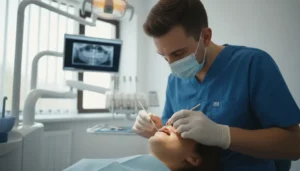
Typical steps in a professional polishing session include:
- Assessment of tooth surface and identification of stains.
- Application of scaling tools to remove calculus.
- Selection of appropriate polishing paste (e.g., fluoride‑enhanced, low‑abrasion).
- Use of a rotary polisher with a rubber cup or brush.
- Final rinse and inspection for uniform shine.
Below is a quick comparison of common polishing tools:
| Tool | Typical Use | Advantages |
|---|---|---|
| Rubber Cup Polisher | Standard polishing after scaling | Gentle, effective for most patients |
| Brush‑type Polisher | Targeted polishing of interproximal areas | Reaches tight spaces |
| Prophy Jet | Water‑based polishing for sensitive patients | Less heat, comfortable |
Understanding these tools helps you ask the right questions during your dental visit, such as “What type of polishing paste do you use?” or “Do you employ a prophy jet for a gentler finish?”
Benefits of Professional Teeth Polishing
Professional polishing offers more than just a cosmetic boost. When performed correctly, it contributes to long‑term oral health by:
- Reducing surface stains from coffee, tea, and tobacco.
- Minimizing plaque accumulation on a smoother enamel surface.
- Enhancing the effectiveness of fluoride treatments.
- Providing a “white tooth polish” effect that complements whitening procedures.
Many patients notice that their teeth appear up to two shades brighter after a session that includes teeth whitening polish combined with scaling and polishing. This immediate visual improvement can also boost confidence in social and professional settings.
Below is a side‑by‑side look at oral health indicators before and after professional polishing:
| Indicator | Before Polishing | After Polishing |
|---|---|---|
| Surface Roughness | High (microscopic pits) | Low (smooth glaze) |
| Stain Visibility | Noticeable | Reduced |
| Plaque Retention | Elevated | Decreased |
| Patient Comfort | Normal | Enhanced (smooth feel) |
For patients with gum disease, a targeted periodontitis tooth polishing can help reduce bacterial load on the root surfaces after scaling, supporting the healing process. However, it’s essential that polishing is performed by a qualified professional to avoid over‑abrasion.
At‑Home Polishing Options: Safe Practices and Products
While professional care remains the gold standard, many people explore at‑home solutions for convenience or cost savings. Safe at‑home polishing typically involves a tooth polish kit that includes a low‑speed handpiece, a gentle polishing paste, and sometimes a small rubber cup.
Key considerations for selecting an at‑home product:
- Look for “low‑abrasion” or “gentle” labeling on the paste.
- Ensure the kit includes clear instructions and a safety guide.
- Avoid products that claim “instant whitening” without professional supervision.
Below is a quick guide comparing popular at‑home options:
| Product | Polishing Medium | Recommended Use | Safety Rating |
|---|---|---|---|
| Standard Tooth Polisher | Fine silica paste | Once a month | Moderate |
| Polishing Toothpaste (e.g., polishing toothpaste) | Micro‑abrasive particles | Daily brushing | High |
| DIY Baking Soda Mix | Homemade abrasive | Not recommended | Low |
When using a kit, follow these steps:
- Brush and floss thoroughly to remove debris.
- Apply a pea‑sized amount of polishing paste to the rubber cup.
- Set the handpiece to low speed (under 5,000 rpm).
- Gently glide the cup over each tooth surface for no more than 10 seconds per tooth.
- Rinse thoroughly and avoid eating or drinking for 30 minutes.
Remember, at‑home polishing should complement, not replace, regular professional cleanings. Over‑use can lead to enamel wear, especially if the paste is too abrasive.
Potential Risks and How to Avoid Damage
When performed correctly, polishing is safe, but improper technique or excessive frequency can lead to issues such as enamel erosion, increased sensitivity, or gum irritation. Common concerns include:
- Does polishing teeth damage enamel? – Over‑abrasive pastes or high‑speed tools can remove a thin layer of enamel.
- Teeth polishing side effects – Temporary sensitivity or mild gum redness.
- What does polishing teeth do? – It smooths surfaces but does not replace the need for cavity treatment.
To mitigate these risks, consider the following guidelines:
| Risk | Cause | Prevention |
|---|---|---|
| Enamel wear | Excessive pressure or abrasive paste | Use low‑abrasion paste, limit to 10 seconds per tooth |
| Increased sensitivity | Polishing near exposed dentin | Apply fluoride rinse after polishing |
| Gum irritation | Contact of cup with soft tissue | Keep cup away from gingiva, use protective barrier |
Professional dentists assess the condition of your enamel before deciding how much polishing is appropriate. If you have existing enamel defects, a dentist may recommend a more conservative approach or skip polishing altogether.
Maintaining Results: Daily Care After Polishing
After a polishing session, the smooth surface can stay bright for weeks, but maintaining that shine requires consistent oral hygiene. Key practices include:
- Brush twice daily with a soft‑bristle toothbrush and a polishing toothpaste that contains low‑abrasive particles.
- Floss daily to remove plaque from interproximal spaces where a polished surface can quickly become stained.
- Schedule regular prophy cleaning teeth appointments every six months.
- Limit consumption of staining foods and beverages, or rinse with water after intake.
- Consider a periodic use of a dental cleaning water jet for an extra burst of cleanliness.
Below is a simple weekly maintenance checklist:
| Day | Task | Time Needed |
|---|---|---|
| Monday | Standard brushing + floss | 3 min |
| Wednesday | Rinse with fluoride mouthwash | 1 min |
| Friday | Use dental cleaning water jet (optional) | 2 min |
| Saturday | Inspect teeth for new stains, use polishing toothpaste if needed | 2 min |
By integrating these habits, you extend the benefits of both professional and at‑home polishing, keeping your smile radiant and your enamel protected.
Why Choose Gold City Dental for Your Polishing Needs
At Gold City Dental, our team combines state‑of‑the‑art equipment with personalized care plans to ensure each polishing session delivers optimal results. Our clinicians assess enamel health, select the appropriate polishing medium, and use gentle techniques that protect sensitive teeth. With a full‑service clinic offering preventive, restorative, and cosmetic dentistry, you receive a comprehensive approach that supports long‑term oral health, not just a temporary shine.
Ready to experience a smoother, brighter smile? Contact Gold City Dental today to schedule your professional polishing appointment or to discuss safe at‑home options.
Call us now or use our online booking system – your healthiest smile starts with a single step.
FAQ
What is teeth polishing and how does it work?
Teeth polishing uses a low‑speed rotary instrument with a rubber cup or brush and a mildly abrasive paste to smooth enamel after scaling.
What are the benefits of professional teeth polishing?
It reduces surface stains, lowers plaque buildup, enhances fluoride effectiveness, and can make teeth appear up to two shades brighter.
Can I safely polish my teeth at home?
Yes, using a low‑abrasion kit with clear instructions and limiting use to once a month can be safe.
How often should I get my teeth polished?
Most dentists recommend polishing during a routine cleaning every six months, unless you have specific needs.
What are the risks of teeth polishing and how can I avoid them?
Excessive pressure, abrasive paste, or high speed can cause enamel wear, sensitivity, or gum irritation; use low‑abrasion products and follow guidelines.
Does teeth polishing damage enamel?
Properly performed polishing does not damage enamel, but over‑abrasive techniques can cause wear.