
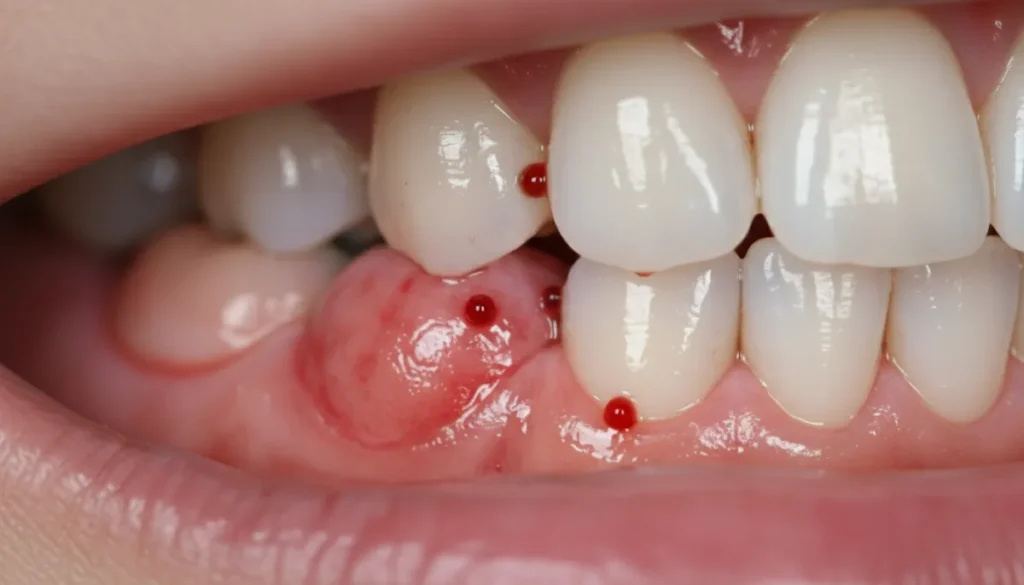
Seeing bloody teeth can be alarming, but it’s often a sign that something is amiss in your oral health. This article explains why blood may appear on your teeth or gums, outlines the most common underlying conditions, and offers practical steps to stop the bleeding and protect your smile. According to the American Dental Association, nearly 50% of adults experience some form of gum bleeding during routine brushing or flossing, highlighting how widespread the issue is.
We’ll explore the relationship between bleeding and gum disease, discuss when professional care is essential, and share prevention strategies you can start using today. Whether you’re dealing with occasional spotting or persistent bleeding, understanding the root causes empowers you to take effective action and maintain long‑term oral health.
Read on to discover how to identify the warning signs, what treatment options are available at Gold City Dental, and how to keep your gums healthy for life.
Common Causes of Bloody Teeth and Gums
Blood on your teeth usually originates from the surrounding gum tissue rather than the enamel itself. Several factors can trigger this bleeding, and recognizing the cause is the first step toward effective treatment.
Gum disease, including gingivitis and periodontal disease, is the leading culprit. Gingivitis, the early stage of gum inflammation, often presents with red, swollen gums that bleed during brushing. If left untreated, it can progress to periodontal disease, a more severe infection that damages the supporting structures of the teeth.
Other common causes include:
- Improper brushing or flossing technique that irritates delicate gum tissue.
- Trauma from a hard bite, dental appliances, or accidental injury.
- Medication side effects, such as blood thinners that reduce clotting ability.
- Vitamin deficiencies, particularly vitamin C and K, which are essential for gum health.
- Hormonal changes during pregnancy or menopause that increase gum sensitivity.
Understanding these triggers helps you pinpoint whether the bleeding is a temporary irritation or a sign of a deeper problem.
Recognizing Symptoms and When to See a Dentist
Not every instance of bleeding signals an emergency, but certain signs indicate that professional evaluation is necessary. Early detection of gum disease can prevent more extensive damage and costly procedures.
Key symptoms to watch for include:
- Persistent bleeding gums during brushing or flossing.
- Swollen, tender, or receding gum margins.
- Bad breath that doesn’t improve with oral hygiene.
- Loose or shifting teeth.
- Painful chewing or sensitivity to hot and cold temperatures.
If you notice any of these signs for more than a week, schedule an appointment with a dental professional. Early intervention can halt the progression of gingivitis to periodontal disease.
| Symptom | Possible Cause | Recommended Action |
|---|---|---|
| Bleeding while brushing | Gingivitis or aggressive brushing | Improve technique, schedule dental check‑up |
| Swollen, red gums | Gum infection or hormonal changes | Professional cleaning, discuss medication |
| Persistent bad breath | Plaque buildup, periodontal disease | Deep cleaning, possible antibiotics |
| Loose teeth | Advanced periodontal disease | Immediate dental evaluation |
Regular dental visits enable us to catch these issues early, before they lead to extensive bone loss or tooth loss.
Prevention Strategies to Keep Your Gums Healthy
Preventing the appearance of bloody teeth starts with consistent, gentle oral hygiene and lifestyle choices that support gum health.
Adopt these proven habits:
- Brush correctly: Use a soft‑bristled toothbrush and gentle circular motions. Replace the brush every three months.
- Floss daily: Floss removes plaque from areas your brush can’t reach, reducing inflammation.
- Use an antimicrobial mouthwash: Rinses containing chlorhexidine or essential oils can lower bacterial load.
- Maintain a balanced diet: Foods rich in vitamin C (citrus, berries) and vitamin K (leafy greens) strengthen gum tissue.
- Stay hydrated: Saliva helps cleanse the mouth; drinking water throughout the day supports this natural defense.
- Avoid tobacco: Smoking impairs blood flow to the gums, increasing the risk of bleeding and infection.
Regular dental check‑ups every six months are essential. During these visits, we can perform professional cleanings, assess gum health, and provide personalized advice.
Professional Treatments for Bleeding Gums
When home care isn’t enough, dental professionals offer several targeted treatments to address the underlying cause of bleeding.
Scaling and root planing is a deep‑cleaning procedure that removes plaque and tartar from below the gum line, smoothing the root surfaces to promote reattachment of healthy gum tissue.
Other options include:
- Antibiotic therapy: Local or systemic antibiotics can reduce bacterial infection in severe cases.
- Laser gum therapy: Minimally invasive laser treatment can eliminate diseased tissue and encourage faster healing.
- Periodontal surgery: In advanced periodontal disease, surgical reshaping of bone and tissue may be required.
| Treatment | Purpose | Typical Recovery Time |
|---|---|---|
| Scaling & Root Planing | Remove deep plaque, smooth roots | 1–2 weeks for gum healing |
| Antibiotics | Control bacterial infection | 5–7 days of medication |
| Laser Therapy | Target diseased tissue, reduce bleeding | Few days of mild discomfort |
| Periodontal Surgery | Restore lost bone and tissue | 2–4 weeks, depending on extent |
Gold City Dental utilizes the latest technology to ensure these procedures are comfortable and effective, helping you regain healthy gums and a confident smile.
Long‑Term Maintenance for a Bleeding‑Free Smile
After addressing the immediate issue, maintaining gum health is a lifelong commitment. Consistency is key to preventing recurrence of bloody teeth.
Follow this maintenance plan:
- Schedule regular cleanings: Biannual appointments allow us to monitor gum health and intervene early.
- Track oral health changes: Keep a diary of any new bleeding, swelling, or pain and report it promptly.
- Adjust oral care products: Switch to toothpaste with fluoride and anti‑plaque ingredients if needed.
- Stay informed: Attend oral health workshops or read reliable dental resources to stay up‑to‑date.
- Manage systemic health: Conditions like diabetes can affect gum health; maintain overall wellness.
By integrating these habits with professional guidance, you’ll reduce the risk of future gum inflammation and keep your smile vibrant for years to come.
Why Choose Gold City Dental
Gold City Dental offers a full‑service, patient‑centered approach to oral health. Our team combines advanced technology with personalized treatment plans, ensuring each patient receives comprehensive care—from preventive cleanings to sophisticated periodontal therapy. We prioritize comfort, education, and long‑term results, making us the trusted choice for families seeking reliable, high‑quality dental services.
Ready to stop the bleeding and protect your smile? Contact Gold City Dental today to schedule a comprehensive gum health evaluation. Experience personalized care that puts your oral health first.
FAQ
What causes bloody teeth?
Bloody teeth are usually caused by bleeding gums due to gum disease, improper brushing, trauma, medication side effects, or vitamin deficiencies.
How can I prevent bleeding gums?
Maintain gentle oral hygiene, eat a balanced diet rich in vitamins, stay hydrated, avoid tobacco, and visit the dentist regularly.
When should I see a dentist for bleeding gums?
If bleeding persists for more than a week, is accompanied by swelling, pain, bad breath, or loose teeth, schedule a dental appointment promptly.
What treatment options are available for bleeding gums?
Treatments range from improved home care to professional scaling and root planing, antibiotics, laser therapy, and periodontal surgery for advanced cases.
Can blood‑thinning medication cause my teeth to bleed?
Yes, anticoagulants can reduce clotting ability, making gums more prone to bleeding during brushing or flossing.
How does diet affect gum health and bleeding?
A diet rich in vitamins C and K supports gum tissue, while excessive sugar can promote plaque buildup and inflammation.