
When you hear the phrase endodontics meaning, you might picture a complex dental procedure, but the concept is actually straightforward: it is the dental specialty focused on preserving the health of the tooth’s inner tissues. This article explains what endodontics entails, why it matters, and how modern techniques protect your smile. In the United States, more than 15 million root canal procedures are performed each year, underscoring the importance of this field for maintaining natural teeth.
We’ll explore the definition of endodontics, the role of an endodontist, common treatments such as root canal therapy, and the signs that indicate you may need specialized care. By the end, you’ll understand how endodontic care fits into a comprehensive oral‑health plan and why early intervention can prevent more invasive procedures later.
Whether you are a patient seeking answers or a family member supporting someone through treatment, this guide provides clear, practical information to help you make informed decisions about preserving your teeth.
What Is Endodontics? Definition and Scope
Endodontics is the branch of dentistry that deals with the diagnosis, prevention, and treatment of diseases affecting the dental pulp and the surrounding root structures. The term itself derives from the Greek words “endo” (inside) and “odont” (tooth), literally meaning “inside the tooth.” An endodontist is a dentist who has completed additional specialized training—usually two to three years—focused on these internal aspects of oral health.
Key areas covered by endodontics include:
- Assessment of pulp vitality and inflammation
- Management of root canal infections
- Procedures to treat cracked or fractured teeth
- Apical surgery to address persistent periapical lesions
- Trauma care for displaced or avulsed teeth
Understanding the endodontics meaning helps patients recognize that many dental problems can be resolved without extracting the tooth. By focusing on the interior of the tooth, endodontic treatment aims to retain the natural tooth structure, maintain proper bite alignment, and avoid the need for bridges or implants.
Why Endodontic Treatment Is Important for Tooth Health
Preserving the natural tooth through endodontic therapy offers several long‑term benefits that go beyond simply fixing a painful tooth. When the dental pulp becomes infected or inflamed, the infection can spread to the surrounding bone, leading to abscesses, bone loss, and even systemic health issues. Early endodontic intervention stops the infection at its source, protecting both the tooth and the surrounding oral structures.
Key advantages of endodontic treatment include:
- Retention of natural tooth structure – Maintaining the original tooth helps preserve jawbone density and prevents shifting of adjacent teeth.
- Reduced need for prosthetic solutions – By saving the tooth, patients avoid crowns, bridges, or implants that require additional surgery and maintenance.
- Improved bite function – A healthy tooth continues to function normally, supporting proper chewing and speech.
- Enhanced aesthetic outcomes – Preserving the natural tooth color and shape leads to a more natural smile compared with artificial restorations.
Research shows that teeth treated with root canal therapy have a survival rate of 85 % after ten years when properly restored. This demonstrates that endodontic care is a reliable, evidence‑based approach to long‑term oral health.
Common Endodontic Procedures Explained
Endodontic specialists offer a range of procedures tailored to the specific condition of the tooth’s interior. Understanding each option helps patients choose the most appropriate treatment plan.
| Procedure | Indication | Typical Steps | Success Rate |
|---|---|---|---|
| Root Canal Therapy | Severe pulpitis or necrosis | Access cavity → pulp removal → cleaning → shaping → obturation | 85‑95 % (10‑year follow‑up) |
| Apicoectomy (Surgical Endodontics) | Persistent infection after root canal | Incision → root tip removal → sealing | 78‑88 % |
| Pulp Capping | Exposed pulp due to deep cavity | Placement of biocompatible material over pulp → restoration | 70‑80 % (when performed early) |
| Trauma Management | Displaced, fractured, or avulsed teeth | Repositioning → splinting → possible root canal | Varies with injury severity |
Each of these procedures is grounded in the endodontics meaning of preserving the tooth’s internal health. For example, pulp capping is a conservative approach that aims to maintain pulp vitality, while an apicoectomy addresses infections that cannot be resolved through conventional root canal therapy alone.
How an Endodontist Performs a Root Canal
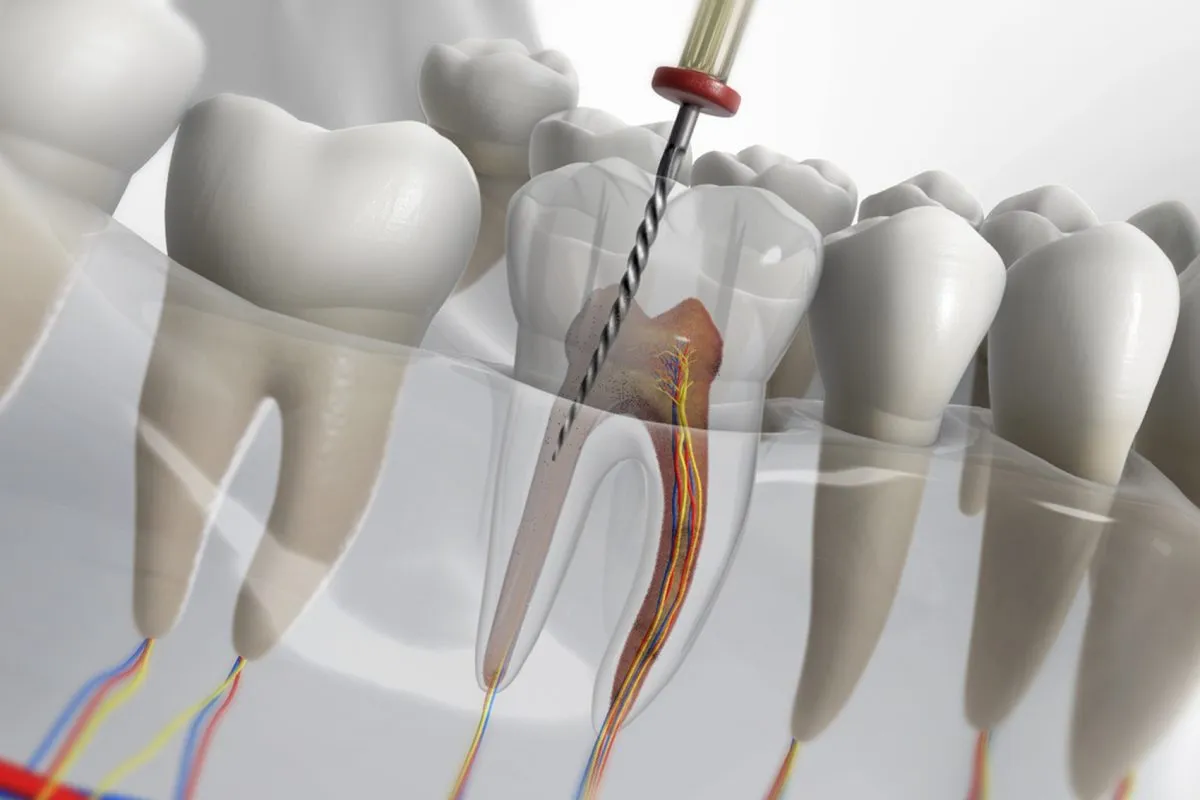
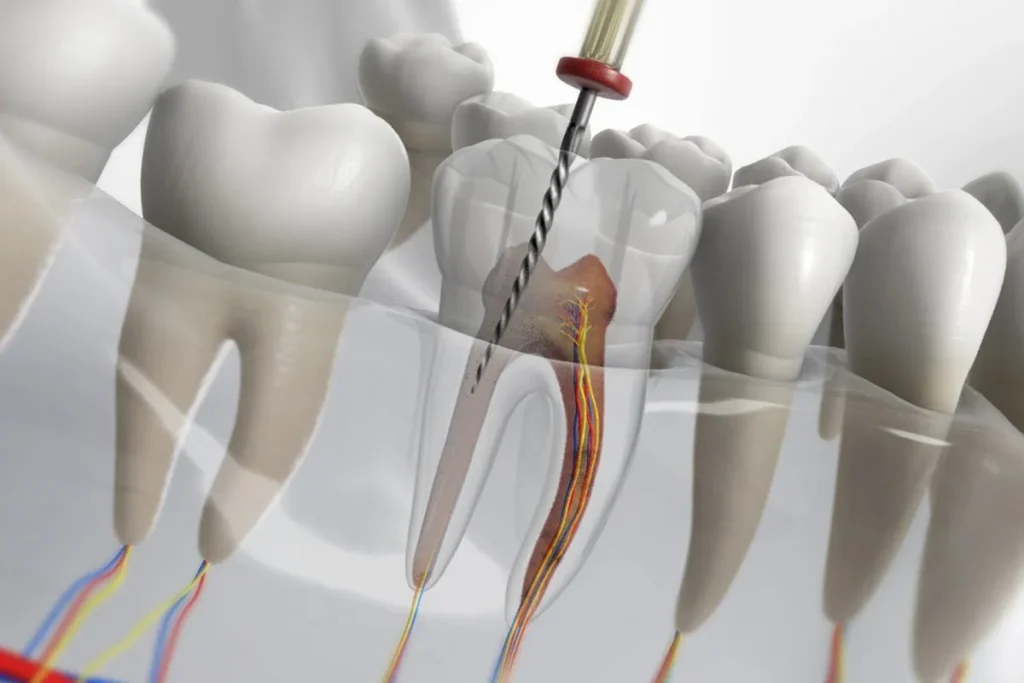
A root canal procedure, often referred to as endodontic therapy, follows a meticulous sequence designed to eliminate infection and seal the tooth from future bacterial invasion. Below is a step‑by‑step overview of what patients can expect during the appointment.
Step 1: Diagnosis and Imaging
The endodontist begins with a clinical examination and digital radiographs or CBCT scans to assess the extent of pulp damage and locate any periapical lesions. Accurate diagnosis is essential for planning the treatment pathway.
Step 2: Anesthesia and Access
Local anesthesia ensures a pain‑free experience. Using a high‑speed handpiece, the dentist creates an access cavity in the crown to reach the pulp chamber.
Step 3: Cleaning and Shaping
Specialized files—often nickel‑titanium rotary instruments—are inserted to remove diseased pulp tissue. The canals are then shaped to a conical form, allowing effective irrigation with antimicrobial solutions such as sodium hypochlorite.
Step 4: Obturation
After thorough drying, the canals are filled with a biocompatible material called gutta‑percha, sealed with an epoxy‑based sealer. This three‑dimensional fill prevents bacterial re‑entry.
Step 5: Restoration
Finally, the access cavity is restored with a composite filling or a crown, restoring function and protecting the tooth from fracture. The entire process typically takes one to two visits, depending on the tooth’s complexity.
Understanding each stage demystifies the procedure and reinforces the endodontics meaning—a focus on internal preservation rather than extraction.
Signs You May Need Endodontic Care
Early detection of pulp problems can prevent the need for more extensive treatment. Patients should watch for the following warning signs, which often indicate that endodontic intervention is required.
- Persistent toothache that worsens with heat or pressure
- Prolonged sensitivity to cold or sweet foods
- Discoloration of the tooth, indicating possible necrosis
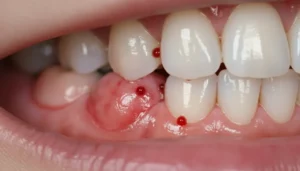
- Swelling or tenderness in the gums near the affected tooth
- Presence of a pimple‑like bump on the gum, suggesting an abscess
If any of these symptoms appear, a prompt visit to an endodontist can determine whether root canal therapy or another endodontic procedure is needed. Timely treatment not only relieves pain but also preserves the natural tooth, aligning with the overall goal of comprehensive oral health.
Why Choose Gold City Dental for Your Endodontic Needs
Gold City Dental combines advanced technology with a patient‑focused approach, making it an ideal choice for endodontic care. Our team includes board‑certified endodontists who employ state‑of‑the‑art imaging, rotary instrumentation, and biocompatible materials to ensure high success rates. We tailor each treatment plan to the individual, emphasizing comfort, safety, and long‑term tooth preservation. With a reputation for excellence in preventive, restorative, cosmetic, and orthodontic services, Gold City Dental offers a seamless, one‑stop solution for families seeking reliable dental health.
Ready to protect your smile with expert endodontic care? Contact Gold City Dental today to schedule a comprehensive evaluation and take the first step toward lasting oral health.
Call us or use our online portal to book an appointment—your healthy, confident smile awaits.
FAQ
What does endodontics mean?
Endodontics is the dental specialty that focuses on the health of the tooth’s inner tissues, especially the pulp and root canals.
How does a root canal procedure work?
A root canal removes infected pulp, cleans and shapes the canals, then fills them with gutta‑percha to seal the tooth.
What are the benefits of endodontic treatment?
Endodontic treatment preserves the natural tooth, maintains jawbone density, improves bite function, and avoids more invasive prosthetic work.
When should I see an endodontist?
Visit an endodontist if you have persistent tooth pain, prolonged sensitivity, discoloration, swelling, or an abscess‑like bump on the gums.
What is an apicoectomy and when is it needed?
An apicoectomy is a surgical procedure that removes the tip of a tooth’s root and seals the end when a root canal alone cannot eliminate infection.
How successful are root canal therapies over time?
Root canal therapies have an 85‑95 % success rate over ten years when the tooth is properly restored.