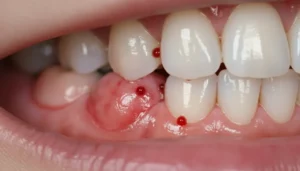



The root canal procedure is a common dental treatment designed to save a severely damaged or infected tooth while relieving pain and preventing further infection. Understanding each stage of this process helps patients feel confident and prepared, especially when faced with sudden toothache or lingering sensitivity. Each year, millions of Americans undergo this treatment, and advances in technology have made it more comfortable than ever before.
In this article, we will explore why a root canal may be necessary, walk through each step of the procedure, discuss pain management and recovery, answer common concerns, and outline the best follow‑up care to preserve the restored tooth. Whether you are scheduling your first appointment or simply want to know what to expect, this guide provides clear, evidence‑based information tailored to patients of all ages.
By the end of the read, you’ll have a solid grasp of the entire treatment journey, from diagnosis to the final restoration, and you’ll know how Gold City Dental’s skilled team can make the experience as smooth as possible.
Understanding the Need for a Root Canal
When the soft tissue inside a tooth—known as the tooth pulp—becomes inflamed or infected, it can cause intense pain, swelling, and even abscess formation. Common causes include deep decay, repeated dental procedures on the same tooth, or a crack that allows bacteria to infiltrate the pulp chamber. If left untreated, the infection can spread to surrounding bone and gum tissue, leading to more serious health issues.
Key indicators that you may require a root canal treatment include:
- Severe, persistent toothache, especially when lying down
- Sensitivity to hot or cold that lingers after the stimulus is removed
- Discoloration of the affected tooth
- Swelling or tenderness in the gums near the tooth
- Presence of an abscess or a pimple‑like bump on the gum
Dental X‑rays allow the endodontic specialist to assess the extent of decay and determine whether a root canal is the best option. In many cases, preserving the natural tooth with a root canal is preferable to extraction, as it maintains normal biting function and prevents neighboring teeth from shifting.
Step‑by‑Step Overview of the Root Canal Procedure
The root canal procedure typically unfolds over one to two appointments, depending on the tooth’s complexity. Below is a concise breakdown of each phase performed by a qualified root canal dentist at Gold City Dental.
| Step | Description |
|---|---|
| 1. Diagnosis & Anesthesia | Local anesthetic is administered to ensure a pain‑free experience. The dentist reviews X‑rays and may use a dental microscope to locate the infected pulp. |
| 2. Access Opening | A small opening is created in the crown of the tooth to reach the pulp chamber. |
| 3. Pulp Removal & Cleaning | All inflamed or infected pulp tissue is carefully removed using specialized files. The canals are then disinfected with antimicrobial solutions. |
| 4. Shaping & Filling | The canals are shaped to receive a biocompatible material called gutta‑percha, which seals the space. A resin‑based sealer enhances the seal. |
| 5. Temporary Restoration | A temporary filling protects the tooth until a permanent crown or filling is placed. |
Most patients report that the procedure itself feels similar to a routine filling, thanks to modern anesthesia and precise instrumentation. The use of digital imaging and magnification tools reduces the risk of missed canals and improves overall success rates.
Managing Pain and Recovery After the Procedure
One of the most common concerns patients have is whether the root canal procedure will be painful. While the treatment itself is performed under anesthesia, some discomfort is normal during the first 24‑48 hours as the tissues heal.
Effective strategies for managing post‑treatment soreness include:
- Taking prescribed or over‑the‑counter pain relievers as directed (ibuprofen or acetaminophen are typical choices).
- Applying a cold compress to the cheek for 15 minutes on and off to reduce swelling.
- Avoiding chewing on the treated side until the permanent restoration is placed.
- Maintaining a soft‑food diet—soups, yogurt, mashed potatoes—for the first couple of days.
- Keeping the mouth clean with gentle brushing and a saline rinse to prevent infection.
Most patients experience a mild to moderate level of root canal pain that subsides within a few days. If pain persists beyond a week, intensifies, or is accompanied by fever, it may indicate an infection that requires follow‑up care.
Typical root canal recovery timelines are:
- Day 1‑2: Mild discomfort, manageable with OTC medication.
- Day 3‑5: Swelling and tenderness gradually decrease.
- Week 1: Most normal activities resume; final crown placement is scheduled.
Patients can safely drive home after the anesthesia wears off, usually within a few hours. However, it’s advisable to arrange transportation if you feel drowsy.
Common Concerns and Answers About Root Canal Treatment
Even with thorough explanations, many patients still have lingering questions. Below are the most frequently raised topics, clarified with clear, evidence‑based information.
- How long does a root canal take? – A single‑visit root canal typically lasts 60‑90 minutes, while more complex cases may require two visits.
- Is a root canal painful? – Modern techniques make the procedure virtually painless; most discomfort occurs after anesthesia wears off.
- Can I eat after a root canal? – Soft foods are recommended for the first 24‑48 hours; avoid extremely hot or cold items.
- Will I need a crown? – Yes, most treated teeth receive a crown to restore strength and protect the sealed canals.
- Is there a risk of infection after treatment? – With proper sealing and post‑operative care, the success rate exceeds 95%.
Addressing these concerns early helps reduce anxiety and promotes a smoother recovery. Your dental team at Gold City Dental is always ready to discuss any additional questions you may have.
Preserving Your Tooth: Follow‑Up Care and Restorations
After the canals are cleaned and sealed, the tooth remains vulnerable until it receives a permanent restoration. The most common options are a crown or a high‑strength filling, each offering distinct benefits.
| Restoration Type | Advantages | Typical Longevity |
|---|---|---|
| Crown (porcelain‑fused‑metal or all‑ceramic) | Provides full coverage, restores bite strength, protects against fracture | 10‑15 years or more with proper care |
| Direct Composite Filling | Less invasive, matches tooth color, quicker placement | 5‑7 years, may need replacement sooner in high‑stress areas |
During the crown prep appointment, the dentist shapes the tooth to accommodate the crown material. Digital impressions are taken to fabricate a precise fit, often within a single day using in‑office milling technology.
Regular check‑ups every six months ensure the restoration remains intact and the underlying tooth stays healthy. Good oral hygiene—brushing twice daily, flossing, and using an antibacterial mouthwash—further prolongs the life of the treated tooth.
Why Choose Gold City Dental
Gold City Dental combines cutting‑edge technology with a compassionate, patient‑first approach. Our team of experienced endodontists utilizes digital imaging, microscope‑assisted treatment, and gentle anesthesia to make every root canal procedure as comfortable and effective as possible. We tailor each treatment plan to the individual, ensuring long‑term oral health and a seamless experience from diagnosis through final restoration.
Ready to preserve your smile? Contact Gold City Dental today to schedule a consultation and discover how our expert team can make your root canal procedure smooth and stress‑free.
Call us now or use our online portal to book an appointment—your comfort is our priority.
FAQ
How long does a root canal procedure take?
A typical root canal lasts 60‑90 minutes for a single visit, though complex cases may need two appointments.
Is a root canal painful?
Modern techniques make the procedure virtually painless; most discomfort occurs after anesthesia wears off.
What are the signs that I need a root canal?
Key signs include severe toothache, lingering sensitivity to hot or cold, discoloration, gum swelling, or an abscess.
What is the typical recovery time after a root canal?
Most patients feel normal within a week, with mild discomfort subsiding in 2‑3 days.
Do I need a crown after a root canal?
Yes, a crown is usually placed to protect and strengthen the treated tooth.
How successful are root canal treatments?
Success rates exceed 95% when the tooth is properly sealed and cared for.
How can I manage pain after a root canal?
Use prescribed or OTC pain relievers, cold compresses, soft foods, and gentle oral hygiene.
What restoration options are available after a root canal?
Common options are a permanent crown or a high‑strength composite filling.