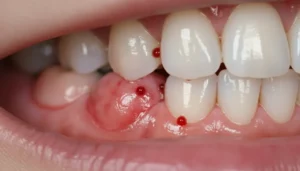



Many patients wonder how to tell if you need a root canal when they experience lingering tooth discomfort. Understanding the warning signs early can prevent more serious infection and preserve the natural tooth. In this article, we’ll walk through the most common symptoms, the diagnostic tools dentists rely on, what the root canal procedure entails, and when immediate professional care is essential.
According to the American Association of Endodontists, nearly 15 % of adults will require a root canal at some point in their lives. Yet, many delay treatment because they mistake the pain for a simple cavity or gum irritation. This delay can lead to increased inflammation, abscess formation, and even bone loss.
By recognizing the key indicators and seeking timely evaluation, you can protect your smile and avoid costly, invasive procedures later on. Let’s explore how to identify the need for a root canal and what steps follow once a diagnosis is confirmed.
Recognizing Common Symptoms of Tooth Infection
One of the first clues that you may need a root canal is persistent pain that doesn’t subside with over‑the‑counter pain relievers. Below are the most frequent symptoms patients report:
- Continuous, throbbing toothache, especially when lying down.
- Sharp pain triggered by hot or cold temperatures that lingers after the stimulus is removed.
- Discoloration of the affected tooth, ranging from gray to brown.
- Swelling or tenderness in the gums surrounding the tooth.
- Unexplained bad taste or foul odor in the mouth, indicating possible infection.
These signs often point to an inflamed dental pulp, the soft tissue inside the tooth that contains nerves and blood vessels. When the pulp becomes infected, the condition is called pulpitis, and a root canal may be required to remove the damaged tissue.
| Symptom | Typical Severity | Likely Need for Root Canal |
|---|---|---|
| Persistent throbbing pain | Moderate‑Severe | High |
| Temperature‑sensitive pain | Mild‑Moderate | Medium |
| Tooth discoloration | Variable | Medium‑High |
| Gum swelling | Variable | Medium |
| Bad taste/odor | Variable | High |
If you notice any combination of these symptoms, it’s wise to schedule an evaluation promptly. Early detection often means a simpler, shorter root canal treatment and a smoother recovery.
Diagnostic Tools Dentists Use
When you wonder how to tell if you need a root canal, dental professionals rely on a combination of visual inspection and advanced imaging. These diagnostic tools help confirm whether the pulp is irreversibly damaged.
Clinical Examination
The dentist begins with a thorough visual and tactile assessment. Using a dental explorer, they probe for cavities, cracks, or loose fillings. They also tap the tooth gently to gauge sensitivity and check for mobility.
Radiographic Imaging
Two primary types of X‑rays are used:
- Periapical radiograph: Provides a detailed view of the entire tooth root and surrounding bone.
- Cone‑beam computed tomography (CBCT): Offers three‑dimensional imaging, especially useful for complex cases.
| Imaging Modality | Detail Level | Typical Use |
|---|---|---|
| Periapical X‑ray | High (2D) | Routine diagnosis of pulpitis |
| CBCT Scan | Very High (3D) | Assessing root fractures, complex anatomy |
These images can reveal darkened areas around the root tip, indicating infection or an abscess. In some cases, the dentist may also perform a pulp vitality test, using a cold stimulus to see if the nerve responds.
By integrating clinical findings with radiographic evidence, the practitioner can confidently determine whether a root canal therapy is the appropriate next step.
Understanding the Root Canal Procedure
If you’re still asking how to tell if you need a root canal, it helps to know exactly what the treatment involves. A root canal, also called endodontic therapy, removes infected pulp tissue, disinfects the canal space, and seals it to prevent future infection.
What Happens During Treatment
The procedure typically follows these steps:
- Access Opening: The dentist drills a small opening in the crown to reach the pulp chamber.
- Pulp Removal: Specialized files clean out the diseased tissue from the canals.
- Disinfection: Irrigation solutions eliminate bacteria and debris.
- Shaping: The canals are shaped to receive the filling material.
- Filling: A biocompatible material called gutta‑percha seals the space.
- Restoration: The tooth is typically capped with a crown to restore function.
Duration and Recovery
A standard root canal on a single tooth usually takes one to two appointments, each lasting about 60‑90 minutes. Recovery varies, but most patients experience mild soreness for a few days. Over‑the‑counter pain relievers and a soft‑food diet help manage discomfort.
| Phase | Typical Time | Patient Experience |
|---|---|---|
| Procedure (per visit) | 60‑90 minutes | Local anesthesia, no pain |
| Recovery | 1‑3 days | Mild soreness, manageable with OTC meds |
| Final Restoration | 1‑2 weeks (crown placement) | Full function restored |
Understanding each stage demystifies the process and reduces anxiety. Most patients report that the actual treatment is less uncomfortable than the anticipation of pain.
When to Seek Professional Help Immediately
Knowing how to tell if you need a root canal also means recognizing red‑flag signs that require urgent attention. Delaying care can lead to severe complications such as spreading infection or tooth loss.
Signs of Emergency
- Sudden, intense pain that wakes you from sleep.
- Swelling that extends to the cheek or jaw.
- Pus drainage from the gums or a visible abscess.
- Fever or general feeling of illness.
Risks of Delaying Treatment
When an infected tooth is left untreated, bacteria can travel beyond the root tip, causing a periapical abscess. This may damage surrounding bone and, in rare cases, affect other bodily systems.
| Complication | Potential Outcome | Urgency |
|---|---|---|
| Periapical abscess | Severe facial swelling, possible cellulitis | High |
| Spread of infection | Systemic infection, rare but serious | High |
| Tooth fracture | Loss of tooth structure, need extraction | Medium |
If you experience any of these symptoms, contact a dental professional right away. Prompt intervention often means a simpler, more successful root canal treatment and a quicker return to normal eating and speaking.
Alternatives and Aftercare Options
Even after you learn how to tell if you need a root canal, it’s useful to understand the alternatives and proper aftercare. In some cases, extraction may be recommended if the tooth is severely damaged beyond repair.
Post‑Treatment Care
Following a root canal, maintain oral hygiene to support healing:
- Brush gently around the treated tooth for the first 24‑48 hours.
- Rinse with a warm salt‑water solution twice daily.
- Avoid chewing on the treated side until a permanent crown is placed.
- Schedule a follow‑up appointment to ensure the tooth is healing properly.
When Extraction Might Be Needed
If the tooth has extensive decay, severe fracture, or insufficient bone support, extraction could be the safer option. Your dentist will discuss prosthetic alternatives such as dental implants or bridges to restore function.
Regardless of the path chosen, a personalized treatment plan ensures the best long‑term outcome for your oral health.
Why Choose Gold City Dental
At Gold City Dental, our team combines state‑of‑the‑art technology with compassionate, personalized care. We specialize in endodontic procedures, offering painless root canal therapy performed by experienced clinicians. Our modern clinic provides comfortable sedation options, digital imaging for precise diagnosis, and same‑day crown placement when possible. Trust us to preserve your natural smile with expertise you can rely on.
Ready to find out if a root canal is right for you? Contact Gold City Dental today to schedule a comprehensive evaluation and take the first step toward lasting oral health.
FAQ
What are the common symptoms that indicate I might need a root canal?
Typical signs include persistent throbbing pain, temperature‑sensitive pain, tooth discoloration, gum swelling, and a bad taste or odor in the mouth.
How do dentists diagnose whether a root canal is necessary?
Dentists combine a clinical exam with radiographic imaging such as periapical X‑rays or CBCT scans to assess pulp health.
What does the root canal procedure involve step by step?
The procedure includes access opening, pulp removal, canal disinfection, shaping, filling with gutta‑percha, and final restoration with a crown.
How long does a root canal treatment take and what is the recovery like?
A typical root canal requires one to two 60‑90 minute appointments, with mild soreness for a few days after treatment.
When should I seek emergency dental care for a possible root canal issue?
Seek immediate care if you have sudden intense pain, swelling that spreads to the cheek or jaw, pus drainage, or fever.
What aftercare steps should I follow after a root canal treatment?
Maintain gentle brushing, rinse with warm salt water, avoid chewing on the treated side, and schedule a follow‑up for a permanent crown.