

Understanding dental implants step by step helps patients feel confident about replacing missing teeth with a durable, natural‑looking solution. This guide walks you through every phase—from the first consultation to long‑term maintenance—so you know exactly what to expect.
Did you know that over 3 million Americans receive dental implants each year, and the success rate exceeds 95% when proper protocols are followed? Yet many hesitate because they are unsure of the process, the timeline, or the costs involved. By breaking the procedure into clear, manageable stages, we demystify the journey and empower you to make informed decisions.
In the sections that follow, we’ll explore the clinical steps, the technology behind modern implant systems, and the aftercare that ensures lasting results. Whether you’re considering a single tooth replacement, a full mouth reconstruction, or need guidance on bone grafting, this step‑by‑step overview provides the information you need.
Let’s begin with the essential first appointment that sets the foundation for a successful implant experience.
Consultation and Treatment Planning
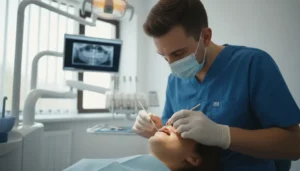
The journey starts with a comprehensive evaluation. During this visit, our dental team conducts a thorough oral examination, reviews your medical history, and discusses your aesthetic goals. This information guides the creation of a personalized treatment plan.
Initial Examination
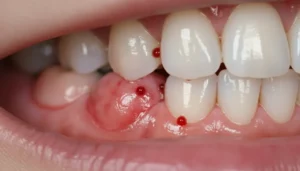
We assess the condition of your existing teeth, gums, and jawbone. Dental implants require sufficient bone volume to anchor the titanium post securely. If bone loss is detected, we discuss options such as bone grafting or sinus lift procedures.
Imaging and Bone Assessment
Advanced imaging, including 3D cone‑beam CT scans, provides a detailed view of the jaw structure. This technology allows us to pinpoint the ideal implant position, avoid vital structures, and plan for any necessary bone graft for tooth implant procedures.
- Clinical examination
- Digital X‑rays and CT scan
- Evaluation of gum health
- Assessment of bone density and volume
- Discussion of prosthetic options (crown, bridge, denture)
Once the data is collected, we use specialized software to simulate the final restoration, helping you visualize the outcome before any surgery begins.
Surgical Phase – Placing the Implant
The surgical stage is where the titanium post is inserted into the jawbone. This step is performed under local anesthesia, sedation, or general anesthesia depending on the case complexity and patient comfort.
Anesthesia and Preparations
We begin by administering a local anesthetic to numb the surgical site. For anxious patients or extensive procedures, conscious sedation may be offered to ensure a relaxed experience.
Drilling and Implant Insertion
A series of precision drills creates a tapered osteotomy that matches the dimensions of the chosen implant. The implant is then screwed or tapped into place, achieving primary stability essential for successful osseointegration.
| Implant Type | Material | Typical Use | Advantages |
|---|---|---|---|
| Endosteal | Titanium alloy | Most common, placed directly in bone | High success rate, versatile |
| Subperiosteal | Titanium | For patients with insufficient bone height | Less invasive bone graft needed |
| Zygomatic | Titanium | Severe maxillary bone loss | Anchors to cheekbone, avoids grafts |
After placement, a healing abutment may be attached to protect the site while the bone integrates with the implant surface. If a temporary crown is needed for aesthetics, it can be placed on this abutment.
Healing Period and Bone Integration
Following surgery, the implant undergoes osseointegration—a process where bone cells grow and firmly attach to the titanium surface. This phase typically lasts 3 to 6 months, depending on bone quality and patient health.
Osseointegration Explained
During osseointegration, the implant becomes a stable anchor for the future prosthetic. Success hinges on maintaining a clean surgical site and avoiding excessive forces on the implant while the bone matures.
Bone Graft Considerations
If the initial evaluation revealed inadequate bone, a bone graft may have been performed simultaneously or staged before implant placement. Autografts, allografts, and synthetic materials each have specific benefits and integration timelines.
- Maintain a soft diet for the first two weeks
- Rinse with a prescribed antimicrobial mouthwash
- Avoid smoking, which impairs healing
- Attend scheduled follow‑up appointments to monitor integration
- Report any persistent pain or swelling immediately
Regular radiographic checks confirm that the implant is fully integrated before moving to the restorative phase.
Restorative Phase – Abutment and Crown Placement
Once osseointegration is confirmed, the restorative phase begins. This involves attaching an abutment to the implant and fabricating a custom crown that matches your natural teeth.
Abutment Selection
The abutment serves as the connector between the implant fixture and the final prosthetic. Options include stock abutments for standard cases or custom‑ milled abutments for optimal aesthetics and fit.
Crown Fabrication
Using digital impressions or traditional molds, the dental laboratory crafts a porcelain‑fused‑to‑metal or all‑ceramic crown. The crown is designed to replicate the shape, shade, and translucency of your surrounding teeth.
- Digital scan of the implant site
- Laboratory design and fabrication (typically 1–2 weeks)
- Trial placement to verify fit and occlusion
- Cementation or screw‑retention of the final crown
- Final polishing and bite adjustment
After the crown is securely attached, you will experience a tooth that feels, functions, and looks like a natural tooth—often indistinguishable from the rest of your smile.
Aftercare and Long‑Term Maintenance
Successful dental implants rely on diligent aftercare and regular dental visits. Proper oral hygiene and routine check‑ups ensure the implant remains healthy for decades.
Oral Hygiene Practices
Brush twice daily with a soft‑bristled toothbrush, floss or use interdental brushes around the implant site, and consider an antimicrobial mouthwash to reduce plaque buildup.
Follow‑Up Schedule
We recommend a structured follow‑up plan to monitor the implant and surrounding tissues.
| Time After Placement | Purpose of Visit |
|---|---|
| 1 week | Assess healing, suture removal if needed |
| 3 months | Radiographic evaluation of osseointegration |
| 6 months | Final restoration placement and occlusion check |
| Annually | Comprehensive oral exam and professional cleaning |
Avoid chewing hard objects (ice, pens) on the new implant for the first few weeks, and limit tobacco use, which can compromise bone health. With consistent care, dental implants can last 20 years or more.
Why Choose Gold City Dental
At Gold City Dental, we combine state‑of‑the‑art technology with a personalized approach to every implant case. Our team of experienced implant specialists utilizes 3D imaging, digital workflow, and minimally invasive techniques to ensure precise placement and optimal outcomes. From single‑tooth restoration to full‑arch reconstruction, we tailor each treatment plan to your unique anatomy and aesthetic goals, delivering results that feel natural and last a lifetime.
Ready to restore your smile with confidence? Contact Gold City Dental today to schedule your comprehensive implant consultation and take the first step toward a healthier, more beautiful you.
FAQ
What are the main steps involved in getting a dental implant?
The process includes consultation, imaging, surgery to place the implant, healing/osseointegration, abutment and crown placement, and long‑term aftercare.
Do I need a bone graft before receiving a dental implant?
A bone graft is required only if there isn’t enough bone volume to securely anchor the implant.
How long does the healing period (osseointegration) take?
Typically 3 to 6 months, depending on bone quality and patient health.
What are the differences between implant types like endosteal, subperiosteal, and zygomatic?
Endosteal implants are placed directly in bone, subperiosteal sit on top of bone for low bone height, and zygomatic anchor to the cheekbone for severe maxillary loss.
How is the final crown fabricated and placed?
A digital scan or traditional impression is sent to a lab where a porcelain‑fused‑to‑metal or all‑ceramic crown is crafted and then cemented or screw‑retained on the abutment.
What aftercare is recommended to ensure long‑term implant success?
Maintain diligent oral hygiene, avoid hard foods initially, quit smoking, and attend regular dental check‑ups.