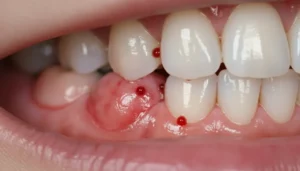


Bleeding gum symptoms can be alarming, but they often signal an underlying issue that can be addressed with proper care. This article explores the most common reasons why gums bleed, how to recognize early warning signs, and what steps you can take at home and with a dental professional to restore healthy gums. Did you know that up to 75% of adults experience occasional gum bleeding, yet many ignore it until the problem worsens?
We’ll walk you through the science behind gum inflammation, identify lifestyle factors that contribute to bleeding, and outline both at‑home and clinical solutions. Whether you’re dealing with occasional spots of blood after brushing or persistent bleeding, understanding the root cause is the first step toward lasting oral health.
By the end of this guide, you’ll know how to protect your gums, when to seek professional help, and how Gold City Dental can support you on the path to a healthier smile.
Common Causes of Bleeding Gums
Several factors can trigger a bleeding gum condition, ranging from simple hygiene habits to underlying medical issues. Recognizing these causes helps you target the right solution.
- Gingivitis: The earliest stage of gum disease, characterized by inflammation and bleeding during brushing.
- Periodontal disease: Advanced infection that damages the supporting structures of the teeth.
- Vitamin deficiencies: Low levels of vitamin C or K can weaken gum tissue.
- Medications: Blood thinners and certain anti‑inflammatory drugs increase bleeding risk.
- Aggressive brushing or flossing: Over‑scrubbing can damage delicate gum tissue.
- Hormonal changes: Pregnancy, menopause, or oral contraceptives may affect gum health.
Understanding which of these applies to you is essential for effective treatment. For example, if you notice bleeding after using a hard‑bristled toothbrush, switching to a soft‑bristled option may reduce irritation. Conversely, persistent bleeding despite gentle care could indicate gum disease that requires professional evaluation.
Recognizing the Signs and When to See a Dentist
Early detection of a bleeding gum problem can prevent more serious complications. Look for these warning signs:
| Symptom | Possible Cause |
|---|---|
| Red, swollen gums | Gingivitis or periodontal disease |
| Bleeding while brushing or flossing | Inflammation, vitamin deficiency, medication side‑effects |
| Pus between teeth or on gums | Infection, advanced gum disease |
| Receding gums | Periodontal attachment loss |
If you experience any of these symptoms, especially persistent bleeding, it’s time to schedule an appointment with a dentist experienced in treating gum issues. Searching for a “dentist for bleeding gums” often leads to specialists who can diagnose the exact cause and recommend appropriate therapy.
Delaying care can allow inflammation to progress to periodontitis, which may result in tooth loss. Regular dental check‑ups enable early intervention, keeping your gums healthy and your smile bright.
Effective Home Care to Reduce Bleeding
Daily oral hygiene plays a pivotal role in controlling a bleeding gum situation. Adopt these proven practices to keep inflammation at bay.
Proper Brushing Technique
Use a soft‑bristled toothbrush and gentle circular motions. Avoid harsh scrubbing, which can damage the gingival margin.
Flossing and Interdental Cleaning
Daily floss removes plaque from areas your brush can’t reach. If traditional floss is difficult, consider water flossers or interdental brushes.
Antimicrobial Mouthwash
Rinse with an alcohol‑free, chlorhexidine‑based mouthwash to reduce bacterial load and soothe irritated gums.
Nutrition and Supplements
Increase intake of vitamin C (citrus fruits, berries) and vitamin K (leafy greens) to strengthen gum tissue. Staying hydrated also supports healthy saliva flow.
- Brush twice daily for two minutes each time.
- Floss at least once a day.
- Use a therapeutic mouthwash as directed.
- Eat a balanced diet rich in vitamins.
- Avoid tobacco and limit sugary snacks.
Consistent home care often resolves mild bleeding caused by gingivitis. However, if bleeding persists after a few weeks of diligent hygiene, professional assessment is recommended.
Professional Treatments for Gum Health
When home measures are insufficient, professional treatment can halt disease progression and restore gum health.
Scaling and Root Planing
Also known as deep cleaning, this procedure removes plaque and tartar from below the gum line, smoothing the root surfaces to promote re‑attachment.
Antibiotic Therapy
Topical or oral antibiotics may be prescribed to control bacterial infection, especially in acute cases of periodontitis.
Laser Gum Therapy
Laser technology can precisely target inflamed tissue, reduce bleeding, and accelerate healing with minimal discomfort.
Periodontal Surgery
In advanced cases, surgical options such as flap surgery or bone grafts may be necessary to rebuild supporting structures.
- Initial assessment and personalized treatment plan.
- Non‑surgical deep cleaning (scaling and root planing).
- Adjunctive antimicrobial therapy.
- Advanced laser or surgical interventions when needed.
- Follow‑up maintenance visits every three to six months.
Gold City Dental utilizes the latest diagnostic tools, including digital imaging and periodontal probing, to ensure accurate diagnosis and tailored treatment.
Long‑Term Prevention Strategies
Maintaining healthy gums after treatment requires ongoing commitment. Adopt these strategies to keep bleeding at bay for life.
Regular Dental Check‑Ups
Visit your dentist at least twice a year for professional cleanings and early detection of any gum changes.
Smoking Cessation
Tobacco use impairs blood flow to gum tissue and exacerbates inflammation. Quitting significantly improves gum healing.
Stress Management
High stress can weaken immune response, making gums more vulnerable. Incorporate relaxation techniques such as meditation or exercise.
Balanced Lifestyle
Maintain a diet low in refined sugars and high in fiber, stay hydrated, and get adequate sleep to support overall oral health.
- Biannual dental visits for cleanings and exams.
- Quit smoking or using tobacco products.
- Manage stress through regular physical activity.
- Consume a nutrient‑rich diet with plenty of fruits and vegetables.
- Maintain consistent oral hygiene routines.
By integrating these habits, you reinforce the results of any professional treatment and protect against future gum disease.
Why Choose Gold City Dental
Gold City Dental offers comprehensive, patient‑centered care that blends cutting‑edge technology with compassionate expertise. Our team specializes in preventive, restorative, and cosmetic dentistry, ensuring every treatment plan is tailored to your unique needs. From gentle cleanings to advanced periodontal therapy, we provide a one‑stop solution for lasting oral health.
With a focus on education, we empower you to maintain healthy gums at home while delivering professional interventions when required. Trust Gold City Dental to guide you toward a confident, pain‑free smile.
Ready to stop bleeding gums and reclaim your smile? Contact Gold City Dental today to schedule a personalized evaluation and take the first step toward healthier gums.
Call us or use our online booking system—your comfort and oral health are our top priorities.
FAQ
What are the most common causes of bleeding gums?
Bleeding gums are usually caused by gingivitis, periodontal disease, vitamin deficiencies, certain medications, aggressive brushing, and hormonal changes.
How can I prevent bleeding gums with at‑home care?
Use a soft‑bristled toothbrush, brush gently in circular motions, floss daily, rinse with an alcohol‑free antimicrobial mouthwash, and maintain a vitamin‑rich diet.
When should I see a dentist for bleeding gums?
If bleeding persists for more than a few weeks despite proper oral hygiene, or if you notice swelling, pus, or receding gums, schedule a dental appointment promptly.
What professional treatments are available for gum disease?
Dentists may perform scaling and root planing, prescribe antibiotics, use laser therapy, or perform periodontal surgery depending on disease severity.
How does lifestyle affect gum health and bleeding?
Smoking, high stress, poor diet, and inadequate sleep can worsen gum inflammation and increase bleeding risk.