
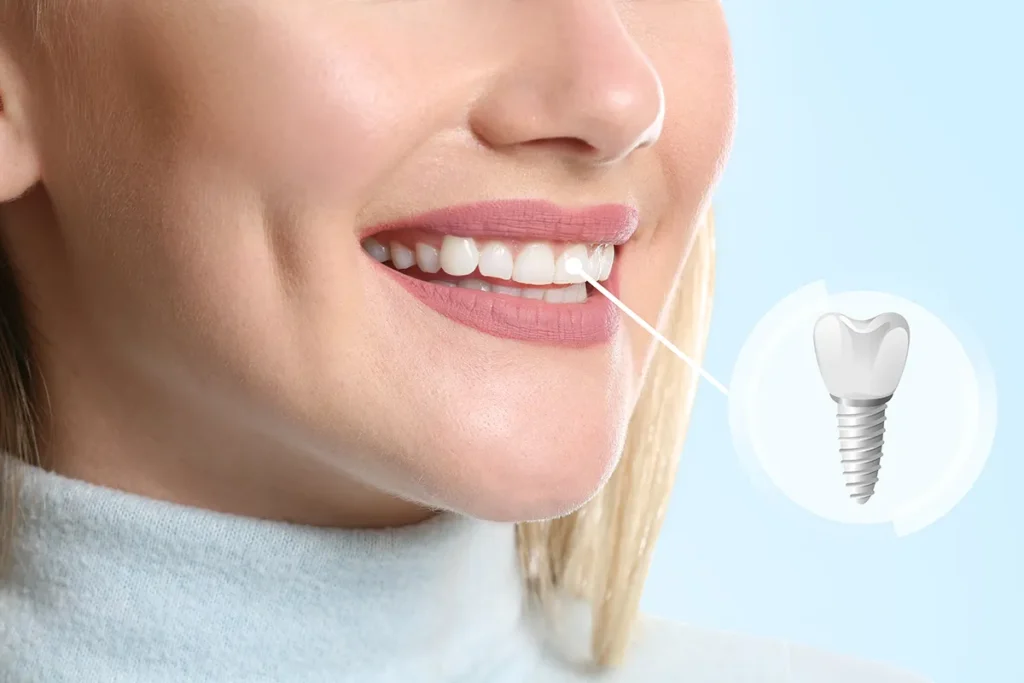
When you’re missing most or all of your natural teeth, full mouth dentures implants offer a stable, comfortable solution that feels and functions like real teeth. This article explains how implant‑supported dentures work, what to expect during treatment, and how they compare to traditional dentures. According to the American College of Prosthodontists, over 2 million adults in the United States rely on dentures, yet many are unaware that implants can dramatically improve comfort and oral health.
We’ll walk you through the entire process—from initial assessment and bone grafting, if needed, to the final placement of a full arch prosthesis. You’ll also learn about cost considerations, financing options, and best practices for long‑term maintenance. Whether you’re exploring options for yourself or a family member, understanding the full scope of full mouth dentures implants helps you make an informed decision.
Read on to discover why implant‑supported dentures are becoming the preferred choice for patients seeking a durable, natural‑looking smile.
Understanding Full Mouth Denture Implants
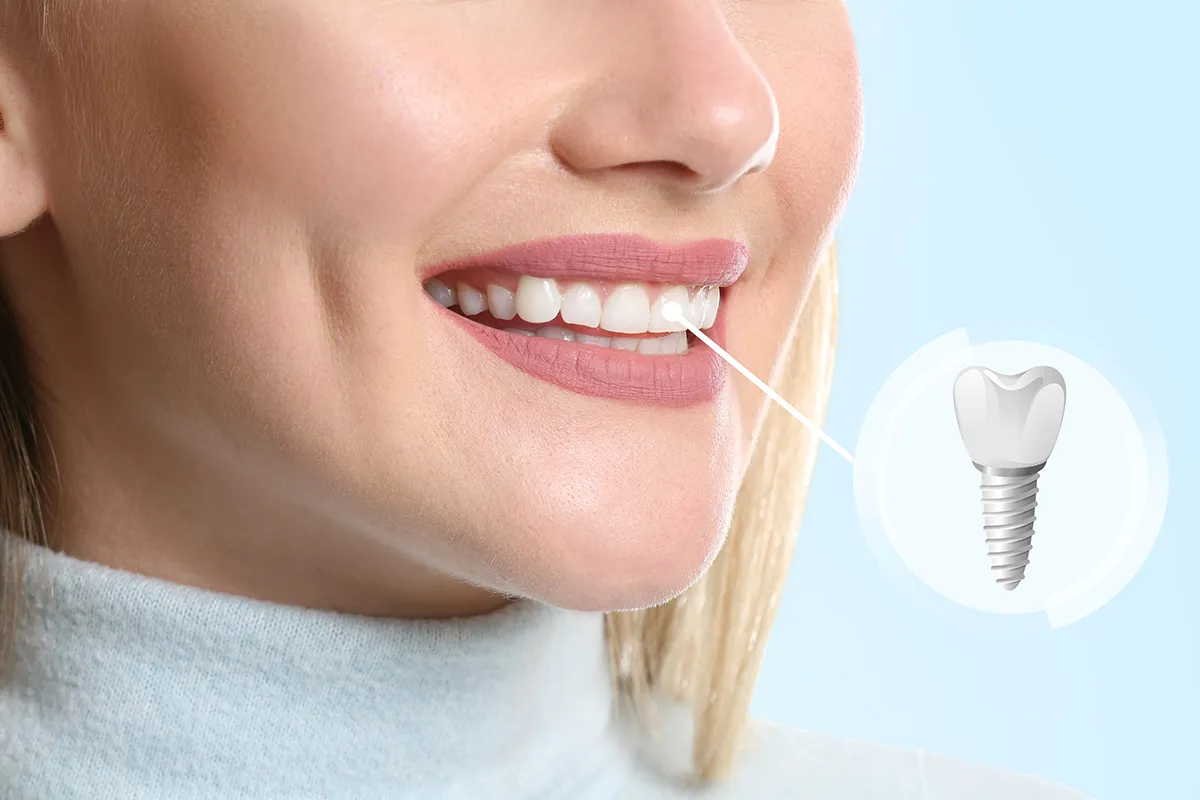
Full mouth denture implants combine the stability of dental implants with the convenience of a removable prosthesis. Unlike traditional dentures that rest on gum tissue, implant‑supported dentures are anchored to titanium posts surgically placed in the jawbone. This connection prevents slipping, reduces bone loss, and allows for more natural chewing.
Key differences include:
- Anchorage: Implants are fixed in bone; conventional dentures rely on suction.
- Comfort: Implant dentures distribute pressure evenly, minimizing sore spots.
- Function: Patients can eat a wider variety of foods without fear of displacement.
- Longevity: Properly cared for implants can last decades, whereas traditional dentures may need frequent relines.
Several treatment concepts exist, such as All‑on‑4, All‑on‑6, and hybrid approaches that blend fixed and removable elements. The choice depends on bone volume, aesthetic goals, and budget.
| Feature | Implant‑Supported Dentures | Traditional Dentures |
|---|---|---|
| Stability | Fixed to implants | Rests on gums |
| Bone Preservation | Stimulates bone growth | Accelerates bone loss |
| Maintenance | Daily cleaning, periodic check‑ups | Frequent relines, adhesive use |
| Typical Cost | Higher upfront investment | Lower initial cost |
The Implant Procedure Step‑by‑Step
Understanding the sequence of care helps reduce anxiety and set realistic expectations. The process typically unfolds in three phases: planning, surgery, and restoration.
1. Comprehensive Evaluation
During the initial consultation, your dentist will assess oral health, take panoramic X‑rays or a CBCT scan, and evaluate bone density. This information determines whether a bone graft is required before placing implants.
2. Surgical Placement
Under local anesthesia (or sedation if preferred), the surgeon creates precise osteotomies and inserts titanium fixtures. If the jawbone lacks sufficient volume, a bone graft procedure may be performed concurrently or staged.
- Healing period: Typically 3–6 months for osseointegration.
- Temporary prosthesis: Some patients receive a removable interim denture during healing.
3. Prosthetic Restoration
Once the implants have integrated, an impression is taken to fabricate the final denture. The prosthesis may be a fixed bridge or a removable denture that snaps onto attachment caps. Final adjustments ensure optimal fit, occlusion, and aesthetics.
Throughout each step, the dental team monitors healing, addresses any complications, and provides guidance on oral hygiene.
Costs and Financing Options
Financial considerations are a major factor when choosing full mouth dentures implants. While the upfront cost exceeds that of conventional dentures, the long‑term value often justifies the investment.
Typical cost components include:
- Consultation and diagnostic imaging.
- Surgical fees for implant placement.
- Bone graft material (if needed).
- Fabrication of the custom prosthesis.
- Follow‑up visits and adjustments.
Average full mouth dental implants cost in the United States ranges from $20,000 to $40,000 per arch, depending on the number of implants, need for grafting, and laboratory fees. However, many patients find financing plans, dental insurance allowances, and health‑savings accounts helpful.
| Expense | Typical Range (USD) |
|---|---|
| Initial Consultation & Imaging | $200–$500 |
| Implant Placement (per implant) | $1,200–$2,500 |
| Bone Graft (if required) | $500–$3,000 |
| Full Arch Prosthesis | $5,000–$12,000 |
| Total per Arch | $20,000–$40,000 |
Many practices, including Gold City Dental, partner with financing companies that offer low‑interest monthly plans. Additionally, some dental insurance policies cover a portion of the surgical fees, especially when the procedure is deemed medically necessary.
Caring for Your New Implant‑Supported Dentures
Proper maintenance extends the lifespan of both the implants and the prosthetic denture. Daily care mirrors that of natural teeth, with a few added steps.
Oral Hygiene Routine
- Brush twice daily with a soft‑bristle toothbrush and non‑abrasive toothpaste.
- Floss or use an interdental brush around the implant abutments.
- Rinse with an antimicrobial mouthwash to reduce bacterial buildup.
Prosthesis Care
Remove the denture each night, rinse it thoroughly, and soak it in a denture‑cleaning solution to prevent staining and plaque accumulation. Inspect the attachment hardware for wear and report any looseness to your dentist promptly.
Regular Dental Visits
Schedule check‑ups at least twice a year. During these appointments, the dental team will assess implant stability, evaluate gum health, and perform professional cleaning.
Adhering to these practices minimizes the risk of peri‑implantitis—a common concern when plaque accumulates around the implant interface.
Why Choose Gold City Dental
Gold City Dental combines state‑of‑the‑art technology with personalized treatment plans to deliver reliable full mouth dentures implants. Our team of experienced implant surgeons and prosthodontists uses digital imaging, guided surgery, and high‑quality materials to ensure precise placement and natural aesthetics. We prioritize patient comfort, offering sedation options and flexible financing to make the journey as smooth as possible. Trust a practice dedicated to long‑term oral health and confident smiles.
Ready to rediscover the joy of eating, speaking, and smiling without worry? Contact Gold City Dental today to schedule your personalized consultation and take the first step toward a stable, beautiful smile.
FAQ
What are full mouth denture implants and how do they differ from traditional dentures?
Full mouth denture implants are prosthetic arches anchored to titanium implants in the jawbone, offering greater stability than traditional dentures that rest on gums.
What steps are involved in the full mouth denture implant procedure?
The process includes a comprehensive evaluation, surgical placement of implants (often with bone grafting), and prosthetic restoration of the denture.
How much do full mouth denture implants cost and are financing options available?
Costs range from $20,000 to $40,000 per arch, and many practices offer financing plans, insurance allowances, and health‑savings accounts to help patients afford treatment.
What daily care is recommended for implant‑supported dentures?
Brush twice daily with a soft brush, floss or use interdental brushes around abutments, rinse with antimicrobial mouthwash, and clean the removable denture nightly.
Why should patients choose Gold City Dental for full mouth denture implants?
Gold City Dental offers advanced digital imaging, guided surgery, experienced implant specialists, sedation options, and flexible financing for a comfortable, high‑quality experience.