
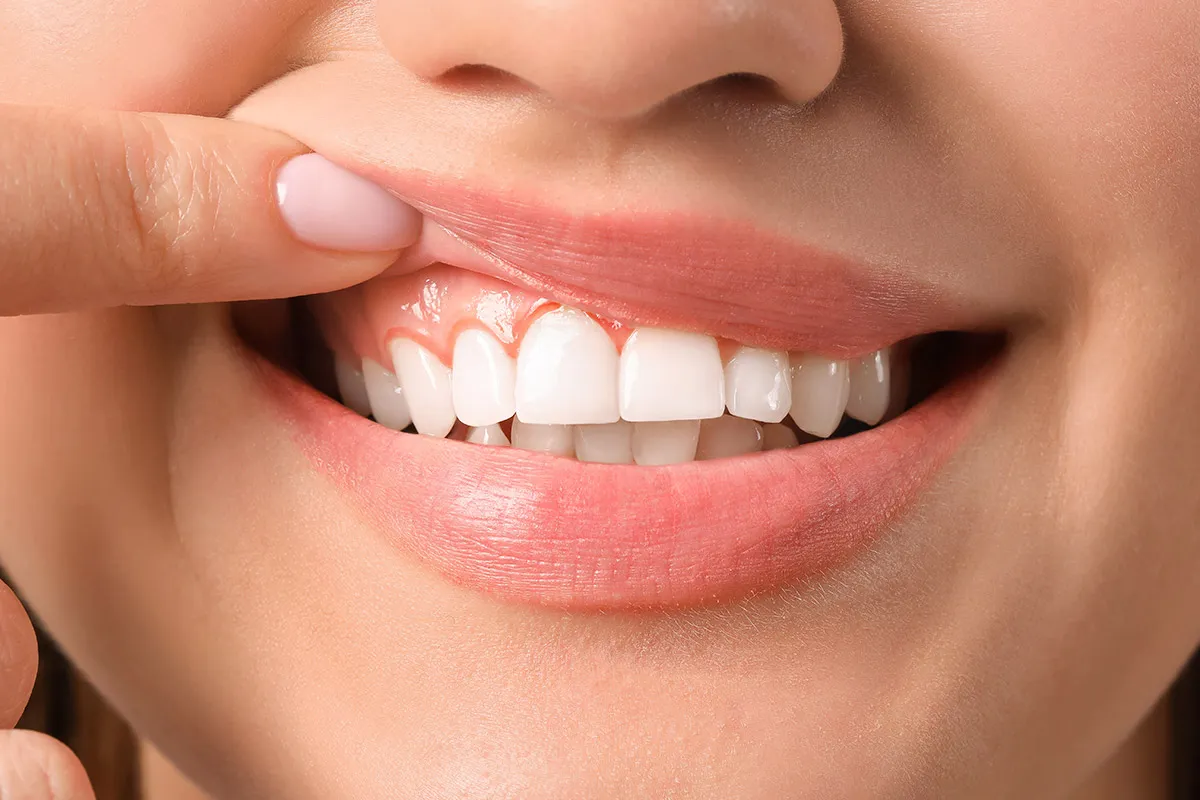
Everyone wants a bright, confident smile, and knowing how to get white teeth is the first step toward that goal. Whether you’re preparing for a special occasion or simply want to boost everyday confidence, achieving a whiter smile involves a blend of proper oral hygiene, effective whitening methods, and smart lifestyle choices. In fact, a recent survey found that 68% of adults consider a white smile one of the top factors influencing their self‑esteem.
This guide walks you through the science of tooth discoloration, explores safe at‑home whitening options, explains professional dental treatments, and provides practical tips for maintaining results long‑term. By understanding the underlying causes and selecting the right approach for your needs, you’ll be equipped to make informed decisions that keep your teeth looking their brightest.
Let’s dive into the essential steps and strategies that can help you answer the question, “how to get white teeth,” with confidence and clarity.
Understanding Tooth Discoloration
Before tackling any whitening solution, it’s important to recognize why teeth become stained in the first place. Tooth discoloration can be categorized as extrinsic (surface stains) or intrinsic (deep‑set color changes). Common culprits include:
- Consuming pigmented foods and beverages such as coffee, tea, red wine, and berries.
- Tobacco use, which leaves stubborn yellow or brown deposits.
- Aging, as enamel thins and reveals the naturally yellow dentin underneath.
- Medications like certain antibiotics or antihistamines that cause internal staining.
- Genetic factors that affect enamel thickness and translucency.
Understanding these factors helps you choose the most effective whitening method. For example, surface stains respond well to whitening strips and polishing, while intrinsic discoloration often requires professional bleaching.
Below is a quick reference table comparing the primary causes of discoloration and the recommended treatment approach:
| Cause | Type | Effective Treatment |
|---|---|---|
| Coffee, tea, red wine | Extrinsic | At‑home whitening strips, professional cleaning |
| Tobacco use | Extrinsic | Whitening toothpaste, in‑office bleaching |
| Age‑related enamel wear | Intrinsic | Professional dental whitening, custom trays |
| Medication‑induced staining | Intrinsic | Professional bleaching, veneers (if severe) |
At‑Home Whitening Options
For many, the most convenient way to learn how to get white teeth is through over‑the‑counter products. These methods are generally safe, affordable, and can produce noticeable results within a few weeks.
Whitening Strips
Whitening strips are thin, flexible films coated with a peroxide‑based gel. They adhere to the teeth’s surface and gradually release the bleaching agent. When used as directed, most users see a shade improvement of 1–2 levels.
Whitening Toothpaste
These toothpastes contain mild abrasives or low‑level peroxide to polish away surface stains. While they won’t dramatically change tooth color, they’re an excellent daily maintenance tool.
Custom At‑Home Trays
Several brands offer kits that include impression trays you can fill with a whitening gel. Because the trays fit your mouth precisely, the gel stays in contact longer, delivering faster results than strips.
Natural Remedies
Some people opt for natural methods such as brushing with baking soda or using activated charcoal. While these can help remove surface stains, they should be used sparingly to avoid enamel abrasion.
Below is a comparison of popular at‑home whitening solutions:
| Product | Active Ingredient | Typical Duration | Result Expectation |
|---|---|---|---|
| Whitening strips | Hydrogen peroxide (10–14%) | 7–14 days | 1–2 shade lighter |
| Whitening toothpaste | Silica, low‑level peroxide | Continuous use | Surface stain removal |
| Custom trays (over‑the‑counter) | Carbamide peroxide (10–22%) | 2–4 weeks | 2–4 shades lighter |
| Baking soda paste | Sodium bicarbonate | Occasional | Minor surface brightening |
When selecting an at‑home method, consider your sensitivity level, desired speed of results, and budget. Remember, consistent use and proper technique are key to achieving the best outcome.
Professional Dental Whitening Treatments
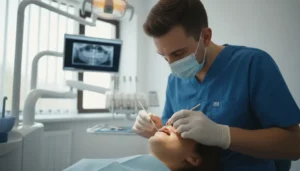
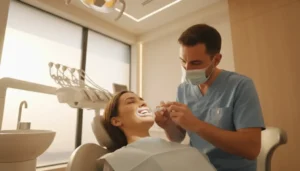
When you’re serious about how to get white teeth quickly and safely, professional dental whitening offers the most dramatic and long‑lasting results. These procedures are performed under the supervision of a dentist, ensuring optimal safety and effectiveness.
In‑Office Bleaching
Also known as chair‑side whitening, this treatment uses a high‑concentration peroxide gel (up to 40%) activated by a special light or laser. The process typically takes 60–90 minutes, and many patients leave with a smile that’s 3–8 shades lighter.
Custom Tray Whitening
After an initial consultation, the dentist creates personalized trays that fit your teeth perfectly. You’ll receive a professional‑strength gel (usually 15–22% carbamide peroxide) to use at home for a prescribed period, often 2 weeks. This method balances convenience with professional-grade results.
Hybrid Approaches
Some practices combine a brief in‑office session to kick‑start the whitening, followed by custom trays for maintenance. This hybrid method can achieve rapid brightening while allowing fine‑tuning over time.
Professional treatments also include a thorough dental exam to rule out cavities, gum disease, or other issues that could affect whitening safety. In many cases, a simple cleaning before bleaching enhances the final shade.
Key advantages of professional whitening include:
- Higher concentration of bleaching agents for faster results.
- Custom‑fit trays reduce gum irritation.
- Dental supervision ensures safe application.
- Longer‑lasting shade stability compared to over‑the‑counter products.
Maintaining Your White Smile
Achieving a brighter smile is only half the battle; preserving it requires diligent care. Understanding whitening maintenance strategies ensures your results last months, even years.
Daily Oral Hygiene
Brush at least twice daily with a fluoride toothpaste and a soft‑bristle brush. Incorporate a whitening toothpaste a few times a week to keep surface stains at bay without over‑exposing enamel.
Dietary Choices
Limit consumption of staining foods and drinks. If you do enjoy coffee, tea, or red wine, use a straw and rinse your mouth with water afterward. Crunchy fruits and vegetables like apples and carrots can naturally help clean teeth.
Regular Dental Visits
Schedule professional cleanings every six months. A dental hygienist can polish away minor stains and polish the enamel, reinforcing the whitening effect.
Touch‑Up Treatments
For most people, a light touch‑up with whitening strips or a custom tray once every 3–6 months maintains brightness. If you notice gradual darkening, consult your dentist for a personalized plan.
Below is a simple maintenance checklist you can follow daily and weekly:
- Brush with fluoride toothpaste twice daily.
- Floss once a day to remove plaque between teeth.
- Rinse with water after consuming staining beverages.
- Use a whitening toothpaste 2–3 times per week.
- Schedule dental cleanings semi‑annually.
- Consider a professional touch‑up annually or as needed.
Common Myths About Teeth Whitening
With the popularity of whitening, many misconceptions have emerged. Let’s debunk some of the most frequent myths so you can make informed choices.
Myth: Whitening Weakens Enamel
When performed correctly, both at‑home and professional whitening use peroxide concentrations that are safe for enamel. Over‑use or misuse, however, can lead to sensitivity, so always follow the product instructions or dentist guidance.
Myth: Natural Remedies Are Always Safer
While baking soda or charcoal can remove surface stains, excessive abrasion can erode enamel over time. Use these methods sparingly and pair them with fluoride treatments.
Myth: All Whitening Products Are Equal
Products vary widely in peroxide concentration, gel formulation, and delivery system. Higher‑concentration gels (found in professional treatments) achieve faster, more dramatic results, while lower‑strength over‑the‑counter options are better for gradual improvement.
Myth: Teeth Will Remain White Forever
Natural aging and lifestyle habits will gradually re‑introduce stains. Consistent maintenance, good oral hygiene, and periodic touch‑ups are essential to preserve the bright shade you’ve earned.
Understanding these facts helps you choose the right approach and set realistic expectations for how to get white teeth that last.
Why Choose Gold City Dental
At Gold City Dental, we combine cutting‑edge technology with personalized care to help you achieve a radiant smile. Our team offers comprehensive cosmetic dentistry, including professional teeth whitening, custom‑fit trays, and expert guidance on safe at‑home methods. We prioritize patient comfort, safety, and lasting results, ensuring every visit moves you closer to the confident, white smile you deserve.
Ready to brighten your smile? Contact Gold City Dental today to schedule a complimentary whitening consultation and discover the best plan for your teeth.
Call now or book online and take the first step toward a whiter, healthier smile.
FAQ
What causes tooth discoloration?
Tooth discoloration can be extrinsic from surface stains or intrinsic from deeper changes, caused by foods, tobacco, aging, medications, and genetics.
Are at‑home whitening strips safe and effective?
Yes, when used as directed, whitening strips are safe for most people and can lighten teeth by 1–2 shades in a few weeks.
How does professional in‑office bleaching differ from over‑the‑counter products?
In‑office bleaching uses higher‑concentration peroxide gels activated by light, delivering faster, more dramatic shade changes than OTC products.
What are the best practices for maintaining a white smile after whitening?
Maintain good oral hygiene, limit staining foods, use a straw for colored drinks, and schedule regular dental cleanings.
Do natural remedies like baking soda or charcoal damage enamel?
Used sparingly, they can help remove surface stains, but excessive use may erode enamel.
What are common myths about teeth whitening?
Myths include that whitening weakens enamel, natural remedies are always safer, all products work the same, and results last forever.