
When you search for ways to brighten your smile, the phrase hydrogen peroxide bleach teeth often appears at the top of the results. This simple, inexpensive chemical has been used for decades in both professional dental offices and home whitening kits. Understanding how it works, the safest methods for use, and the potential risks can help you achieve a whiter smile without compromising oral health.
According to the American Dental Association, nearly 60% of adults report using some form of teeth‑whitening product, yet many remain uncertain about the correct concentration and application frequency. In this article, we’ll explore the science behind hydrogen peroxide, compare at‑home and professional treatments, and provide practical tips for maintaining results.
Whether you’re considering a quick over‑the‑counter solution or a custom‑crafted in‑office procedure, the information below will guide you toward an informed decision that aligns with your dental health goals.
Understanding How Hydrogen Peroxide Works for Teeth Whitening
Hydrogen peroxide is a powerful oxidizing agent that breaks down into water and oxygen when it contacts organic molecules. In the context of teeth, the released oxygen penetrates the enamel and dentin, breaking apart the chromogenic compounds that cause stains. This chemical reaction lightens the tooth surface, often producing noticeable results after just one or two applications.
Dental professionals typically use concentrations ranging from 15% to 35% for in‑office bleaching, while over‑the‑counter products contain 3% to 10% hydrogen peroxide. The higher concentration allows for faster results but also carries a greater risk of sensitivity if not properly managed.
Key Factors That Influence Effectiveness
- Concentration of hydrogen peroxide – higher percentages work faster but may increase sensitivity.
- Application time – longer exposure can enhance whitening but also heighten risk.
- Tooth surface condition – pre‑existing stains, enamel thickness, and dental restorations affect outcomes.
Scientific Evidence
Clinical studies have shown that a 10% hydrogen peroxide solution applied for 15 minutes can reduce surface stains by up to 30% after a single session. However, the American Dental Association recommends that patients consult a dentist before initiating any whitening regimen to ensure suitability and safety.
At‑Home Hydrogen Peroxide Bleaching: Safe Practices and Recipes
Many people opt for at‑home treatments because they are convenient and cost‑effective. A common DIY method involves diluting 3% hydrogen peroxide with equal parts water to create a gentle whitening rinse. This solution can be swished for 30 seconds once daily, avoiding contact with gums and soft tissues.
For a more targeted approach, you can apply the diluted solution to a soft toothbrush and gently brush the front surfaces of your teeth for 1–2 minutes. Rinse thoroughly with water afterward. It’s crucial to limit exposure to no more than three sessions per week to reduce the chance of enamel erosion.
Sample At‑Home Routine
- Mix 1 tablespoon of 3% hydrogen peroxide with 1 tablespoon of water.
- Add a drop of natural flavoring (e.g., peppermint oil) for fresh breath.
- Swish the mixture for 30 seconds, then spit.
- Brush gently with a soft‑bristled toothbrush for 1 minute.
- Rinse thoroughly with plain water.
When to Stop
If you experience prolonged sensitivity, gum irritation, or any unusual discoloration, discontinue use immediately and schedule a dental evaluation. Remember, at‑home whitening is a supplemental measure; it cannot replace professional assessment for underlying dental issues.
Professional vs. Over‑The‑Counter Options: When to See a Dentist
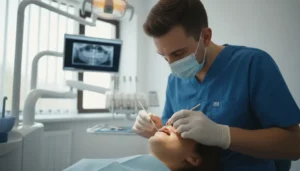
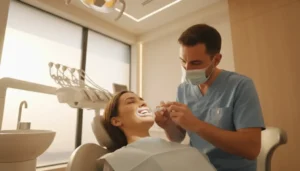
While at‑home methods can provide modest improvement, professional treatments often deliver faster, more dramatic results. In‑office bleaching uses high‑concentration hydrogen peroxide activated by a light or laser, allowing the gel to work efficiently within a single appointment.
Over‑the‑counter products, such as whitening strips or trays, typically contain 3%–10% hydrogen peroxide and rely on longer wear times (often 30 minutes to several hours per day). These are suitable for mild staining but may require weeks of consistent use to achieve noticeable change.
Comparison Table
| Feature | In‑Office Professional | Over‑The‑Counter | At‑Home DIY |
|---|---|---|---|
| Hydrogen Peroxide Concentration | 15%–35% | 3%–10% | 3% (diluted) |
| Typical Treatment Time | 30–60 minutes (single visit) | 15–30 minutes daily for 2–4 weeks | 30 seconds to 2 minutes, 2–3 times/week |
| Result Speed | Immediate, up to 4 shades | Gradual, 1–2 shades over weeks | Modest, 1 shade over months |
| Potential Sensitivity | Moderate (managed with desensitizing agents) | Low to moderate | Low if used correctly |
| Cost | $300–$800 per session | $20–$100 for a kit | Minimal (cost of 3% peroxide) |
Choosing the right approach depends on the severity of staining, budget, and personal comfort with dental procedures. If you have existing dental restorations, crowns, or veneers, professional guidance is essential because hydrogen peroxide does not affect these materials, potentially leading to uneven coloration.
Potential Risks and How to Protect Enamel
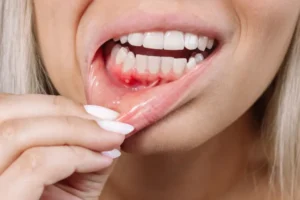
Although hydrogen peroxide is approved for dental use, improper application can lead to enamel demineralization, gum irritation, or heightened tooth sensitivity. The key to safe whitening lies in controlling concentration, exposure time, and ensuring thorough rinsing after each session.
To mitigate risks, dentists often recommend using a desensitizing toothpaste containing potassium nitrate or fluoride before and after bleaching. Additionally, maintaining a balanced diet low in acidic foods helps preserve enamel integrity.
Enamel Protection Checklist
- Use a fluoride mouthwash daily.
- Limit consumption of citrus, soda, and wine during whitening cycles.
- Avoid excessive brushing pressure; use a soft‑bristled toothbrush.
- Schedule regular dental check‑ups to monitor enamel health.
- Consider a custom‑fit tray provided by a dentist to control gel distribution.
If you notice persistent sensitivity lasting more than a few days after treatment, contact your dentist. In many cases, a short course of a prescription‑strength fluoride gel can restore comfort and protect the tooth surface.
Frequently Used Ingredients Combined with Hydrogen Peroxide
Many whitening formulations pair hydrogen peroxide with other agents to enhance flavor, reduce sensitivity, or improve stain removal. Common additives include:
Flavor Enhancers
- Menthol or peppermint oil – provides a fresh taste and a mild cooling sensation.
- Vanilla or fruit extracts – mask the chemical taste for a more pleasant experience.
Sensitivity Reducers
- Potassium nitrate – helps calm nerve responses during bleaching.
- Calcium carbonate – can aid in remineralizing enamel.
Stain‑Targeting Agents
- Carbamide peroxide – a slower‑releasing form of hydrogen peroxide, often used in night‑time trays.
- Silica particles – gently polish the tooth surface, enhancing the visual effect of whitening.
When selecting an over‑the‑counter product, read the ingredient list carefully. Products that combine hydrogen peroxide with a high‑pH buffering system tend to be less irritating to soft tissues while still delivering effective whitening.
Maintaining Results: Lifestyle Tips for Long‑Lasting Whiteness
Even the most effective bleaching regimen eventually fades as new stains accumulate. Simple daily habits can extend the life of your brighter smile.
Dietary Considerations
- Avoid or limit coffee, tea, red wine, and dark berries, which are known to cause extrinsic stains.
- Drink plenty of water throughout the day to help rinse away pigment particles.
- Use a straw for acidic or colored beverages to minimize contact with teeth.
Oral Hygiene Practices
- Brush twice daily with a low‑abrasion whitening toothpaste.
- Floss daily to remove plaque that can trap stains.
- Consider a weekly polishing with a dentist‑approved polishing paste.
Regular professional cleanings every six months also play a crucial role in maintaining the results of any whitening program, including those that use hydrogen peroxide.
Why Choose Gold City Dental
At Gold City Dental, we combine cutting‑edge technology with personalized care to deliver safe and effective whitening solutions. Our team assesses your oral health, recommends the optimal concentration of hydrogen peroxide, and provides custom‑fit trays when appropriate. Whether you prefer an in‑office session or a supervised at‑home plan, we ensure your smile brightens while protecting enamel and minimizing sensitivity.
Ready to achieve a brighter, healthier smile? Contact Gold City Dental today to schedule a comprehensive whitening consultation. Our experts will design a safe, customized plan that fits your lifestyle and goals.
FAQ
How does hydrogen peroxide whiten teeth?
Hydrogen peroxide releases oxygen molecules that break down stain‑causing pigments in enamel and dentin, lightening the tooth surface.
What concentration of hydrogen peroxide is safe for at‑home use?
At‑home products typically contain 3% to 10% hydrogen peroxide; a 3% solution diluted with water is considered safe for occasional use.
How often should I use a hydrogen peroxide whitening rinse?
Limit use to once daily for 30 seconds, and no more than three sessions per week.
What are the common side effects of teeth bleaching with hydrogen peroxide?
Typical side effects include temporary tooth sensitivity and gum irritation.
How can I protect my enamel while whitening my teeth?
Use low‑concentration peroxide, limit exposure time, and employ fluoride or potassium nitrate products.
When should I choose professional whitening over over‑the‑counter products?
Opt for professional treatment if you have severe staining, existing restorations, or want immediate results.