
Teeth whitening gel offers a convenient way to brighten your smile at home, delivering noticeable results without the need for a dental chair. Whether you’re preparing for a special event or simply want a more confident grin, this article explains how the gel works, how to select the best product, and how to use it safely.
According to recent surveys, more than 70% of adults consider a whiter smile a top priority for personal appearance, yet many are uncertain about the safest at‑home methods. This uncertainty can lead to misuse, sensitivity, or disappointing outcomes.
In the sections that follow, we’ll explore the science behind whitening agents, compare over‑the‑counter options with professional formulas, and provide step‑by‑step guidance to help you achieve lasting brightness while protecting enamel health.
How Teeth Whitening Gel Works
The core of any teeth whitening gel is its active bleaching agent, typically either carbamide peroxide or hydrogen peroxide. These compounds penetrate the enamel and break down chromogenic molecules that cause discoloration, revealing a lighter shade beneath.
Active Ingredients Explained
Carbamide peroxide is a stable compound that breaks down into hydrogen peroxide and urea when it contacts saliva. This gradual release offers a milder, longer‑lasting effect, making it popular for overnight trays. In contrast, hydrogen peroxide works faster but can increase the risk of sensitivity if used excessively.
Other additives, such as potassium nitrate or fluoride, are often included to reduce sensitivity and strengthen enamel during the bleaching process.
| Ingredient | Typical Concentration | Duration of Effect | Potential Sensitivity |
|---|---|---|---|
| Carbamide Peroxide | 10–35% | 6–12 hours (overnight trays) | Low to moderate |
| Hydrogen Peroxide | 3–10% | 30–60 minutes (in‑office or quick‑use kits) | Moderate to high |
Understanding these differences helps you match a gel to your lifestyle and tolerance level.
Choosing the Right Gel for Your Needs
Selecting the optimal gel involves evaluating several factors, including concentration, delivery system, and your personal oral health history. Below is a checklist to guide your decision.
- Desired speed of results – faster gels often contain higher peroxide levels.
- Sensitivity concerns – look for formulas with potassium nitrate or low‑dose peroxide.
- Application method – pre‑filled trays, syringes, or whitening strips each have pros and cons.
- Regulatory compliance – ensure the product adheres to FDA guidelines for over‑the‑counter dental products.
For many consumers, whitening strips and pre‑filled gel trays provide a balance of convenience and efficacy. Brands such as Opalescence and Crest offer kits that combine a calibrated gel concentration with user‑friendly trays.
When comparing options, consider the following table that outlines the main attributes of popular at‑home systems.
| Product Type | Typical Gel Concentration | Application Time | Best For |
|---|---|---|---|
| Pre‑filled trays (e.g., Opalescence Go) | 10–15% carbamide peroxide | 30 minutes daily | Consistent results, easy use |
| Whitening strips | 6–10% hydrogen peroxide | 30 minutes, twice a day | Quick boost, travel‑friendly |
| Syringe gels for custom trays | 15–35% carbamide peroxide | Overnight (6–12 hrs) | Maximum control, higher potency |
Remember, the “best” gel is the one that aligns with your comfort level, schedule, and desired outcome.
Safe Application and Common Mistakes to Avoid
Even the most effective teeth whitening gel can cause problems if misused. Following proper protocols minimizes sensitivity and protects enamel.
Step‑by‑Step Application Guide
- Brush and floss gently to remove plaque.
- Dry teeth with a clean gauze or air‑dry for 30 seconds.
- Apply a thin, even layer of gel to the tray or strip, avoiding excess.
- Insert the tray or place the strip according to the product instructions.
- Set a timer for the recommended duration; do not exceed it.
- After the session, remove the tray, rinse thoroughly, and store the gel in a cool, dark place.
Key mistakes to watch for:
- Leaving the gel on longer than advised – can lead to enamel erosion.
- Using expired gel – potency drops and bacterial contamination risk increases.
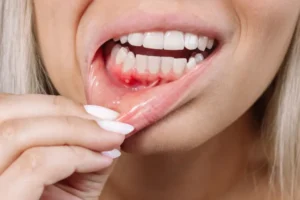
- Applying gel directly to gums – may cause irritation or ulceration.
- Swallowing the gel – small amounts are generally safe, but large ingestion should be avoided.
Saliva does not “ruin” the gel, but excessive moisture can dilute its concentration, reducing effectiveness. Always keep the mouth slightly open if the product recommends it, and avoid eating or drinking for at least 30 minutes after treatment.
Professional vs. Over‑The‑Counter Gels
While many consumers achieve satisfactory results with store‑bought kits, professional gels prescribed by a dentist often deliver faster, more uniform whitening with reduced risk of side effects.
Advantages of Professional‑Grade Gel
Dental offices can customize the concentration of peroxide, sometimes exceeding 40% carbamide peroxide for severe staining. They also provide protective measures such as custom‑fit trays and desensitizing agents, ensuring the gel contacts only the teeth.
| Aspect | Professional Gel | OTC Gel |
|---|---|---|
| Concentration | Up to 40% carbamide peroxide | 10–35% carbamide peroxide |
| Customization | Custom trays for perfect fit | Universal trays or strips |
| Supervision | Dentist monitors sensitivity | Self‑administered |
| Cost | Higher initial cost | Lower per‑unit cost |
If you have existing dental work, extensive discoloration, or a history of sensitivity, consulting with a dental professional before starting a regimen is advisable. They can recommend a gel formulation that aligns with your oral health profile.
Maintaining Results After Using Whitening Gel
Achieving a brighter smile is only half the journey; preserving that shine requires ongoing care.
Post‑Whitening Lifestyle Tips
- Limit consumption of staining foods and drinks (coffee, tea, red wine, berries) for the first 48 hours.
- Use a straw for dark beverages to reduce contact with enamel.
- Maintain diligent oral hygiene with a whitening‑compatible toothpaste.
- Schedule regular dental cleanings every six months.
- Consider periodic touch‑up treatments—typically once every 6–12 months.
Many patients find that a combination of professional polishing and a low‑dose at‑home gel for maintenance offers the best long‑term outcome. This approach balances convenience with the expertise of a dental team.
Finally, remember that natural aging will gradually affect tooth color. Consistent care and occasional professional assessments help you stay ahead of discoloration.
Why Choose Gold City Dental
At Gold City Dental, we blend cutting‑edge technology with personalized care to deliver safe, effective whitening solutions tailored to each patient. Our team of certified dentists evaluates your oral health, recommends the most suitable gel concentration, and provides custom‑fit trays that maximize contact while minimizing sensitivity. Whether you prefer a professional in‑office treatment or a guided at‑home plan, we ensure every step meets the highest standards of safety and comfort.
Ready to brighten your smile with confidence? Contact Gold City Dental today to schedule a consultation and discover the perfect whitening solution for you.
FAQ
How does teeth whitening gel work?
The gel’s peroxide agents penetrate enamel and break down stain‑causing molecules, revealing a lighter shade.
What are the differences between carbamide peroxide and hydrogen peroxide in whitening gels?
Carbamide peroxide releases hydrogen peroxide slowly and is gentler; hydrogen peroxide acts faster but can cause more sensitivity.
How can I minimize sensitivity when using whitening gel?
Use gels with potassium nitrate or fluoride, keep application time short, and follow post‑treatment care.
Should I choose professional whitening gel over over‑the‑counter options?
Professional gels offer higher concentrations and custom trays, providing faster, more uniform results, but at a higher cost.
How often should I use whitening gel for maintenance?
Most experts recommend a touch‑up every 6‑12 months, or as needed based on lifestyle and staining habits.