

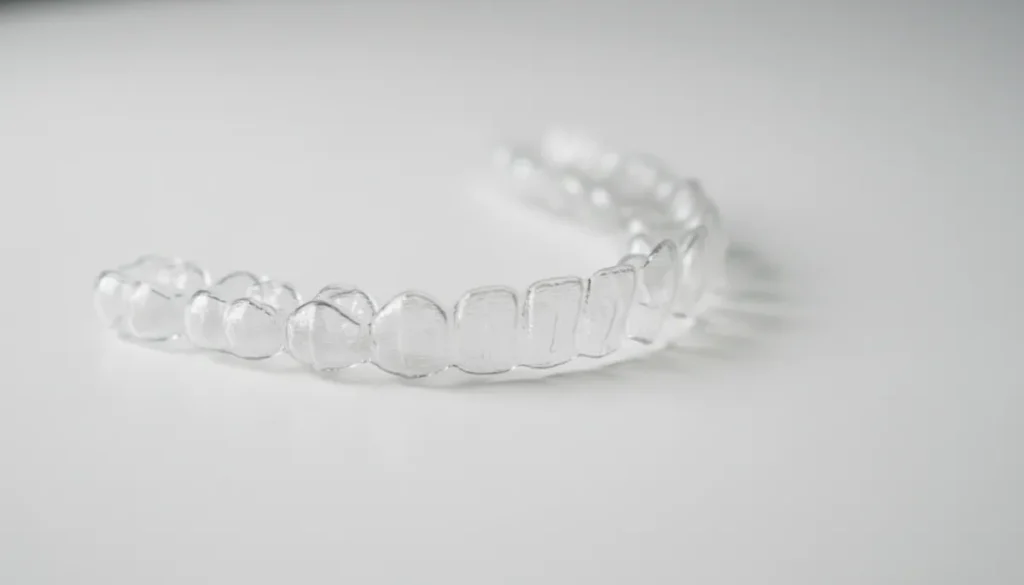
The invisalign dental code is a key piece of information that connects patients, orthodontists, and insurance providers when it comes to clear aligner therapy. Knowing how this code works can help you navigate billing, reduce unexpected out‑of‑pocket costs, and ensure you receive the full benefit of your orthodontic treatment. According to recent industry data, more than 30% of patients encounter billing confusion during their Invisalign journey, often due to unfamiliarity with the specific procedural codes used by dentists.
In this article we will explore the purpose of the Invisalign code, break down the most common billing identifiers, explain how insurance companies interpret them, and share practical strategies to maximize your coverage. Whether you are considering Invisalign for yourself or a family member, understanding these details empowers you to make informed decisions and avoid costly surprises.
We’ll also look at how modern orthodontic practices like Gold City Dental integrate these codes into a seamless patient experience, combining advanced clear aligner technology with transparent financial planning.
What Is the Invisalign Dental Code and Why It Matters
The term “invisalign dental code” refers to the set of Current Dental Terminology (CDT) codes that orthodontists submit to insurers when billing for clear aligner treatment. These codes replace the older, more generic “braces” identifiers and specifically denote that the patient is receiving a series of removable, transparent aligners rather than traditional metal brackets.
Why does this distinction matter? Insurance carriers often have different coverage limits for “orthodontic treatment” versus “clear aligner therapy.” By using the correct Invisalign code, a practice signals that the treatment falls under the orthodontic benefit, which can trigger higher reimbursement rates or meet the criteria for adult orthodontics coverage.
- D8090 – Orthodontic treatment of the dentition – limited (often used for minor corrections with Invisalign).
- D8091 – Orthodontic treatment of the dentition – comprehensive (covers full‑arch Invisalign plans).
- D8092 – Retention phase after orthodontic treatment (includes Invisalign retainers).
Accurate coding also streamlines the claims process, reducing the likelihood of claim denials and the need for additional paperwork. For patients, this translates into faster approvals and clearer expectations about invisalign cost and out‑of‑pocket expenses.
How Dental Insurance Uses the Invisalign Code
When you submit a claim for Invisalign treatment, the insurance company reads the CDT code to determine eligibility, coverage limits, and patient responsibility. Most dental plans categorize orthodontic benefits under a separate maximum benefit, often expressed as a percentage of the total cost or a fixed dollar amount. The presence of a specific Invisalign code can trigger the following actions:
- Eligibility Check: The insurer verifies that the patient’s plan includes orthodontic benefits for adults or teens.
- Benefit Calculation: Using the code, the carrier applies the appropriate percentage (commonly 50%–80%) to the total treatment cost.
- Pre‑Authorization: Some plans require a pre‑treatment estimate, which is generated based on the code and the projected number of aligner sets.
- Claims Processing: The final claim is processed using the code, ensuring the payment aligns with the plan’s orthodontic allowance.
Understanding this workflow helps you anticipate the cost of Invisalign and plan for any remaining balance. For example, a typical adult Invisalign plan may cost $5,000–$7,000. With a plan that covers 60% of orthodontic expenses, the insurer would reimburse $3,000–$4,200, leaving the patient responsible for the rest.
Patients often ask, “What dental code is invisalign?” The answer lies in the CDT identifiers listed above, which are recognized nationwide. If your provider uses the correct code, you’re more likely to receive the full benefit of your coverage, avoiding the frustration of denied claims or unexpected “invisalign cost” spikes.
Common Invisalign Billing Codes Explained
Beyond the three primary CDT codes, there are additional modifiers and supplemental codes that orthodontists may use to capture the full scope of Invisalign treatment. Below is a concise table that outlines the most frequently encountered codes and their typical applications.
| Code | Description | Typical Use |
|---|---|---|
| D8090 | Orthodontic treatment – limited | Minor tooth movement, short‑term aligner series |
| D8091 | Orthodontic treatment – comprehensive | Full‑arch Invisalign plans for adults or teens |
| D8092 | Retention phase after orthodontic treatment | Invisalign retainers or Vivera retainers |
| D9999 | Unspecified procedure, used for adjunct services | Additional diagnostics, such as digital scans |
| Q3013 | Intra‑oral scanner usage | Digital impression for custom aligner fabrication |
When you discuss your treatment plan with an invisalign dentist, ask which codes will be submitted. This transparency helps you verify that the claim aligns with your insurance’s orthodontic benefit structure. It also allows you to compare the invisalign cost across providers, ensuring you receive competitive pricing without hidden fees.
Many patients also wonder about “invisalign vs braces” coverage. Because the same orthodontic benefit often applies to both, the key differentiator is the code used. Traditional braces may be billed under D8010 (comprehensive orthodontic treatment) while Invisalign uses D8091. Both are eligible for coverage, but the clear aligner option may have a separate deductible in some plans.
Tips for Patients to Maximize Coverage for Invisalign
Even with the correct invisalign dental code, patients can take proactive steps to ensure they receive the maximum benefit from their dental insurance. Here are five practical tips:
- Verify Orthodontic Benefits Early: Contact your insurer before treatment begins to confirm that adult orthodontics or clear aligners are covered.
- Obtain a Detailed Treatment Estimate: Ask your provider for a written estimate that includes the CDT codes, projected number of aligner sets, and total cost.
- Use In‑Network Providers: Selecting an Invisalign dentist who is in your plan’s network often reduces the patient’s share of the cost.
- Explore Flexible Spending Accounts (FSAs) or Health Savings Accounts (HSAs): These accounts allow you to pay for out‑of‑pocket expenses with pre‑tax dollars, effectively lowering the overall cost.
- Ask About Payment Plans: Many practices, including Gold City Dental, offer interest‑free financing that can spread the cost over several months.
By following these steps, you can often reduce the out‑of‑pocket portion of your Invisalign treatment by up to 30%, making the clear aligner option more affordable compared to traditional braces.
Additionally, consider timing your treatment to align with the calendar year if your plan resets its benefit maximum annually. Starting a new Invisalign course early in the year can allow you to use the full orthodontic allowance before it expires.
Future Trends in Orthodontic Coding and Technology
The landscape of orthodontic billing is evolving alongside advances in digital dentistry. Emerging technologies such as AI‑driven treatment planning and 3D‑printed aligners are prompting updates to the CDT system, potentially introducing new codes that capture the added value of these innovations.
One anticipated change is the introduction of a specific code for “AI‑assisted Invisalign treatment planning,” which would differentiate practices that employ sophisticated software from those using manual methods. This could lead to higher reimbursement rates for practices that invest in cutting‑edge technology, ultimately benefiting patients through more precise outcomes and possibly lower overall costs.
Another trend is the growing acceptance of tele‑orthodontics. Remote monitoring apps allow patients to upload photos of their aligners, reducing the need for frequent in‑office visits. As insurers recognize the cost‑saving potential of virtual check‑ins, we may see new modifiers that reflect telehealth components of Invisalign care.
Staying informed about these developments ensures you can ask the right questions about your treatment plan and billing. At Gold City Dental, we continuously adopt the latest orthodontic technologies while maintaining transparent coding practices, so you always know exactly what you’re paying for.
Why Choose Gold City Dental
Gold City Dental combines comprehensive orthodontic expertise with a patient‑first approach. Our team is certified in the latest Invisalign protocols and uses the most accurate invisalign dental code submissions to ensure seamless insurance processing. With state‑of‑the‑art digital scanning, personalized treatment plans, and flexible financing options, we make clear aligner therapy accessible and affordable for families and adults alike.
Whether you are seeking a subtle smile makeover or a comprehensive orthodontic correction, our full‑service clinic offers a one‑stop solution for long‑term oral health. Trust Gold City Dental to guide you through every step—from initial consultation to final retention—while keeping your financial peace of mind.
Ready to start your Invisalign journey with confidence? Call Gold City Dental today to schedule a complimentary consultation and discover how our expert coding and financing can make your smile transformation affordable.
Take the first step toward a straighter, brighter smile—your future self will thank you!
FAQ
What is the Invisalign dental code?
The Invisalign dental code refers to specific CDT (Current Dental Terminology) codes orthodontists use to bill insurers for clear aligner treatment.
How does the Invisalign code affect insurance coverage?
Correct Invisalign coding signals that the treatment falls under orthodontic benefits, often leading to higher reimbursement or eligibility for adult coverage.
Which CDT codes are used for Invisalign treatment?
The primary Invisalign CDT codes are D8090, D8091, D8092, with additional codes like D9999 and Q3013 for adjunct services.
How can patients maximize their Invisalign insurance benefits?
Verify benefits early, get a detailed estimate with codes, use in‑network providers, leverage FSAs/HSA, and consider financing plans.
What is the typical out‑of‑pocket cost for Invisalign after insurance?
A typical adult Invisalign plan costs $5,000‑$7,000; insurance may cover 50‑80%, leaving $1,000‑$3,500 for the patient.
Are there upcoming changes to orthodontic coding for Invisalign?
Future updates may add codes for AI‑assisted treatment planning and tele‑orthodontic monitoring.